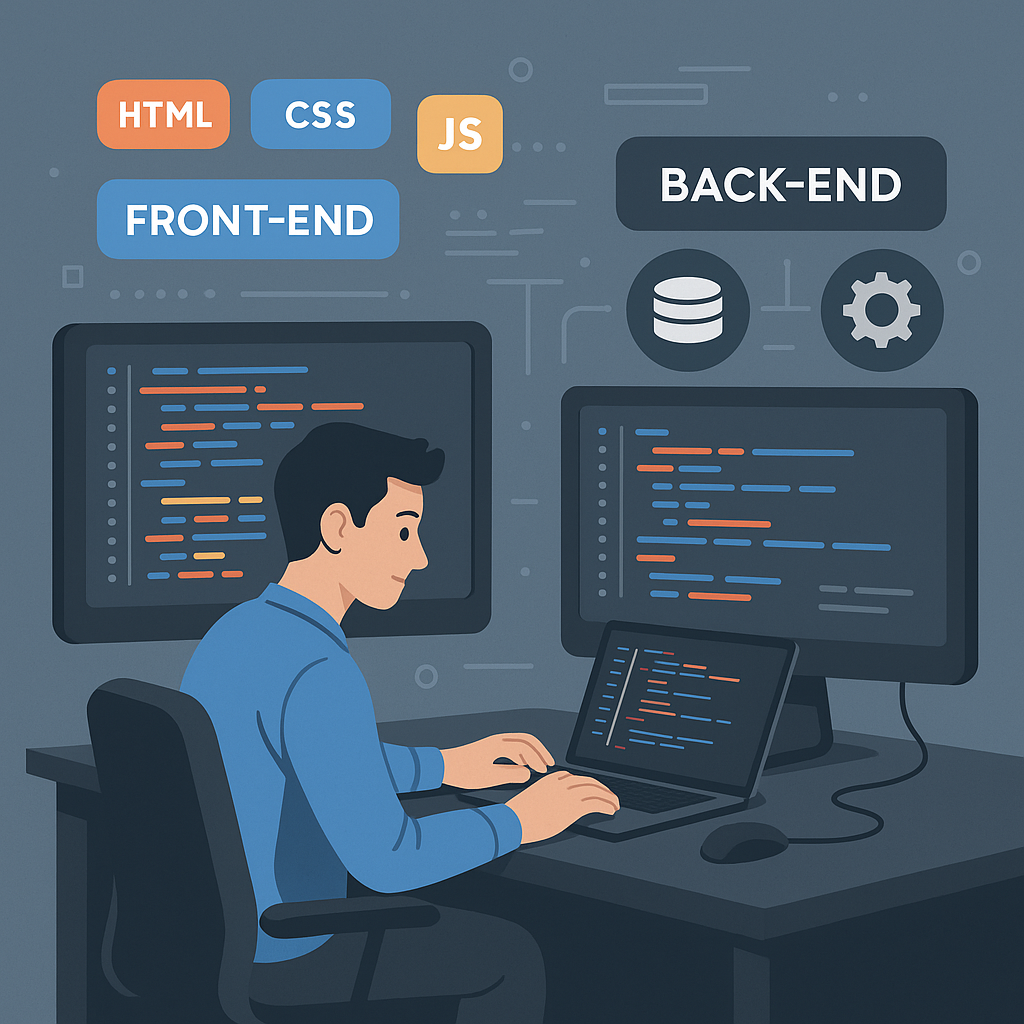
Maintaining a digital property requires ongoing technical execution rather than a one-time launch effort. Having a strong online presence drives the success of any online business or organization. When organizations launch a platform, they often treat it as a static product rather than an active asset. Over time, core software architectures evolve, plugins become outdated, and browser standards shift. Investing in a website maintenance plan helps websites stay current, secure, and functional. Without consistent oversight, technical debt accumulates quietly behind the scenes. Broken internal links, expired HTTPS configurations, and database bloat gradually degrade user experience and search visibility. Establishing reliable systems prevents small issues from compounding into expensive structural failures.
Professional website support helps with troubleshooting issues and implementing security measures before vulnerabilities are exploited by malicious actors. Automated daily checks may not catch nuanced layout shifts or database corruption. Human developers diagnose unexpected script errors, fix broken checkout flows, and verify that contact forms successfully deliver inquiries to the right team members. Regular website updates and security checks protect sites from cyber threats and vulnerabilities that target outdated content management systems and plugins. Prompt core and extension updates form an operational standard. Security hardening involves changing default login paths, restricting unnecessary access, and enforcing authentication protocols across administrative accounts.
Website performance optimization supports fast loading times, mobile responsiveness, and user engagement. Performance tuning involves compressing high-resolution images, leveraging browser caching, and minimizing render-blocking JavaScript files. Mobile-first indexing means Google uses the mobile version of a site’s content for indexing and ranking, making responsive layouts necessary for search visibility, as detailed in the guidelines on mobile-first indexing. Google identifies responsive design as the easiest configuration to implement and maintain. If a layout breaks on smaller screens or tap targets are too close together, visitors struggle to use the site. Regular technical audits catch these rendering errors before they affect mobile traffic.
Monthly website maintenance provides consistent monitoring, updates, and optimization to prevent issues rather than reacting after a crash occurs. Routine system health checks track server uptime, database response times, and error log spikes. Teams also monitor HTTPS status and page-experience concerns. When search engines update their ranking algorithms, monitoring traffic drops and indexing anomalies helps teams diagnose problems quickly. Google releases broad core algorithm updates several times a year, so developers assess traffic changes and content quality after relevant updates, as outlined in official resources on core updates. These reviews help separate normal algorithmic fluctuations from technical or structural content issues.
Platform longevity depends on adherence to international digital standards. Accessibility functions as a development and QA requirement to ensure individuals with diverse physical and cognitive needs can access digital resources without barriers. WCAG is an international standard covering websites, applications, and other digital content. Organizations can review the complete framework through the W3C WCAG overview. WCAG has three conformance levels: Level A, Level AA, and Level AAA, with Level A as the minimum. Ensuring accessibility requires routine audits of color contrast, alternative text for images, keyboard navigation paths, and accessible names for custom interface components. WCAG 2.2 adds criteria involving focus visibility, target size, dragging, consistent help, redundant entry, and accessible authentication. WCAG 2.2 does not replace WCAG 2.1; the standards are backward-compatible, and organizations are encouraged to adopt the latest version.
Technical maintenance extends directly into how search engines crawl and evaluate page content. Search engine guidelines emphasize that performance metrics influence user experience, though speed scores alone do not dictate search positions. Google recommends maintaining good Core Web Vitals: LCP within 2.5 seconds, INP below 200 milliseconds, and CLS below 0.1. Developers can explore the official thresholds and measurement techniques in the documentation on Core Web Vitals. Achieving these metrics requires auditing third-party scripts, optimizing font loading strategies, and eliminating layout shifts caused by late-loading banner ads or dynamic elements. Strong Core Web Vitals support page experience, but they do not guarantee top search placement.
Behind every sustainable web platform is a seasoned architect with deep roots in digital engineering. BKThemes offers custom web development for WordPress, Shopify, and modern web stacks, tailoring each build to the operational goals of the client. Whether scaling an enterprise e-commerce platform or structuring a high-traffic publishing blog, execution focuses on clean code and reliable performance. The broader scope of services includes web development, Shopify expert services, professional SEO services, and bespoke WordPress themes engineered for speed and conversion.
Building a resilient online presence requires balancing creative design with strict technical hygiene. When teams rely on structured maintenance plans, they protect their brand reputation from unexpected downtime and security breaches. Routine code reviews, security scans, HTTPS checks, and speed audits form the backbone of a high-performing digital property. Organizations that prioritize these technical safeguards are better positioned to maintain a stable web presence than those that view web development as a static, once-and-done project. Establishing predictable maintenance routines supports long-term stability and sustained organic growth.
What is included in professional website maintenance?
Professional website maintenance includes regular software updates, security monitoring, performance optimization, database cleanups, and backup management. Technicians also troubleshoot broken links, fix layout errors across different devices, and ensure that forms and checkout systems function correctly. Maintenance should also include HTTPS monitoring, Core Web Vitals reviews, accessibility checks, and assessments of traffic or content changes after relevant search updates.
Why are regular software updates non-negotiable?
Software updates help address known security vulnerabilities that outdated systems expose. Running outdated core files, themes, or plugins increases the risk of malware infections, data breaches, and site crashes that damage brand trust and affect business operations.
How does website speed affect search visibility?
Fast loading times support user engagement and page experience. Google uses Core Web Vitals in ranking systems, but strong performance scores alone do not guarantee top search rankings. Recommended “good” thresholds are LCP within 2.5 seconds, INP below 200 milliseconds, and CLS below 0.1. Teams can review the official guidance in the documentation on Core Web Vitals.
What role does mobile responsiveness play in modern development?
Google uses the mobile version of a site’s content for indexing and ranking. If a website fails to render correctly on smartphones or tablets, it can reduce usability and search visibility. Responsive design is identified as an easy configuration to implement and maintain for mobile-first development.
How often should website backups be performed?
Backups should be executed automatically on a daily or weekly schedule, depending on how frequently the content changes. Storing offsite backups ensures that data can be restored if a server fails or an update corrupts the database.
Partnering with BKThemes for long-term digital success
Choosing the right technical partner changes how an organization interacts with the web. Instead of viewing your site as a constant source of anxiety or an unpredictable expense, you turn it into a reliable growth engine. Our approach focuses on delivering quick wins through targeted optimization while building stable systems that protect your brand over the long haul.
When you work with us, you gain a dedicated engineering partner who understands the nuance of modern web architecture. Whether you need an e-commerce platform fine-tuned for maximum conversion on Shopify, a bespoke WordPress theme built from scratch, or a complete overhaul of your digital infrastructure, our team provides the practical expertise required to execute seamlessly.
Ready to secure your digital presence and improve your site performance? Connect with us today to discuss a custom maintenance plan tailored to your business goals. Let us handle the technical execution so you can focus entirely on growing your business.
Looking for implementation support? Visit our web development services page for the full service overview.
About the Author

Brian Keary
Founder & Lead Developer
Brian is the founder of BKThemes with over 20 years of experience in web development. He specializes in WordPress, Shopify, and SEO optimization. A proud alumnus of the University of Wisconsin-Green Bay, Brian has been creating exceptional digital solutions since 2003.
Expertise
Writing since 2003