Did you know that 91% of B2B companies and 86% of B2C companies leverage content marketing? That staggering figure underscores a crucial reality: in today's digital landscape, simply having content isn't enough. You need effective content, driven by smart strategies. For me, choosing the right content strategies feels less like a chore and more like an art form, a careful dance between understanding my audience, my goals, and the ever-shifting digital winds. It’s about building a robust framework that ensures every blog post, every social media update, every video resonates and drives tangible results.
Key Takeaways
- Define Clear Objectives: Know what you want your content to achieve.
- Know Your Audience Deeply: Understand their needs, pain points, and preferences.
- Analyze Competitors: Learn from their successes and identify opportunities.
- Select Appropriate Formats & Channels: Match content type and distribution to your audience.
- Plan & Schedule: Use a content calendar for consistency.
- Measure & Iterate: Track performance and adapt your strategy.
- Prioritize Value & Consistency: Deliver helpful content regularly.
Who This Is For
This guide is for anyone feeling a bit lost in the content creation wilderness. If you're a small business owner juggling a million tasks, a marketing manager striving for better campaign performance, a blogger aiming to grow your readership, or an agency looking to refine your client offerings, you're in the right place. Perhaps you’ve dabbled in content marketing, seen some modest success, but are yearning for that next level of impact. Maybe you’re just starting out and want to lay a solid foundation from the get-go. Whatever your starting point, if you're serious about making your content work for you, this is for you. We'll break down the process into manageable steps, demystifying the art of strategic content planning.
Who This Is NOT For
Conversely, if you’re looking for a magic bullet that guarantees overnight viral success with minimal effort, you might be disappointed. This isn't about quick hacks or deceptive tactics. It's about sustainable growth built on thoughtful planning and consistent execution. If you believe that throwing a bunch of keywords at a poorly written article will magically boost your rankings, this isn't the guide for you. We’re focusing on genuine value creation and strategic alignment, not on gaming the system. Those seeking to churn out low-quality, generic content without regard for audience needs or business objectives will find little here to their liking.
Understanding Your Core Objectives
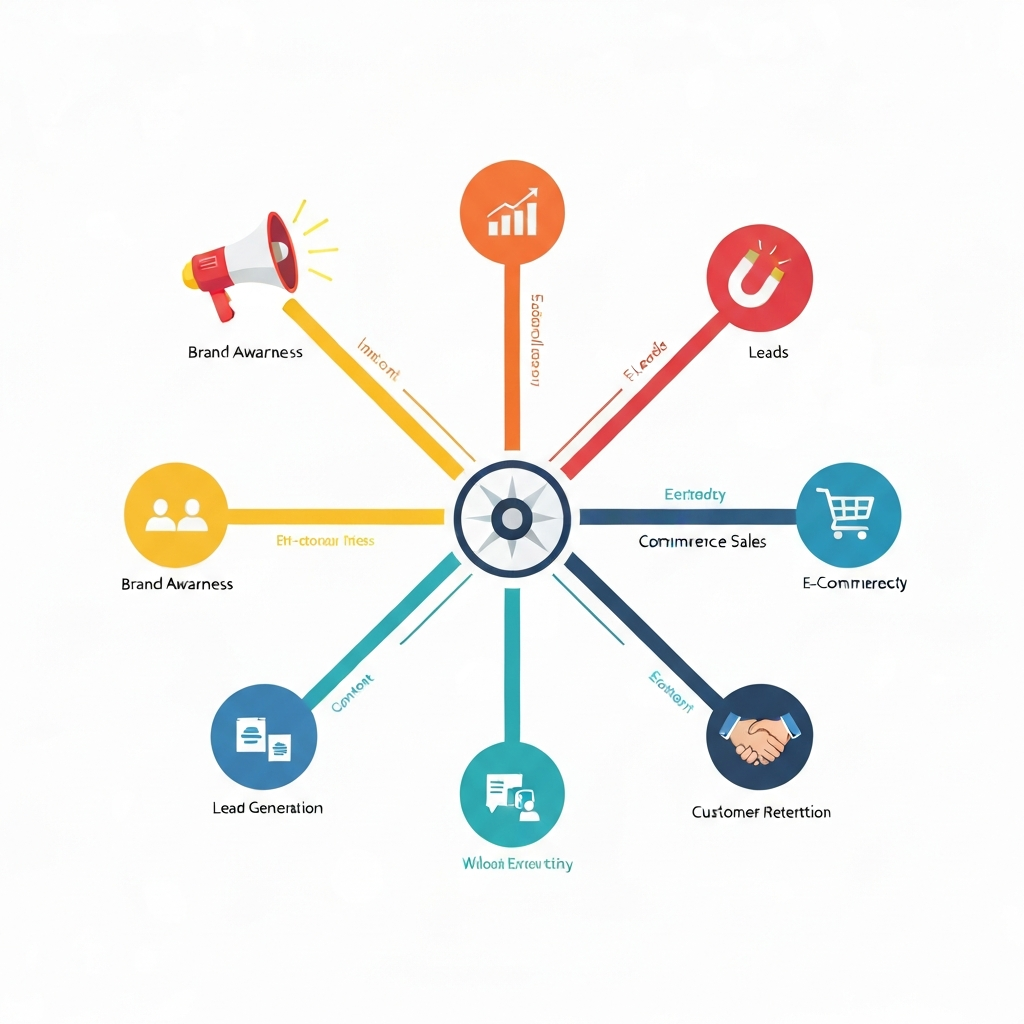
Before I even think about topics or platforms, I anchor myself in my primary objectives. What am I really trying to achieve with my content? Is it brand awareness? Lead generation? Driving e-commerce sales? Improving customer retention? Each goal demands a different flavor of content strategy. For instance, a strategy focused on brand awareness might prioritize shareable infographics and engaging social media campaigns. A strategy aimed at lead generation will likely lean towards in-depth guides, webinars, and gated content like e-books. If my aim is to bolster sales for an online store, I'd be looking at product reviews, comparison articles, and detailed buying guides. It's like setting your destination before you plot your route on a map. Without a clear destination, you're just wandering.
My process involves asking pointed questions:
- What specific business metric am I trying to move?
- What does success look like in quantifiable terms? (e.g., "Increase website traffic by 20%," "Generate 50 qualified leads per month," "Improve customer lifetime value by 10%")
- What is the timeline for achieving these objectives?
Answering these questions provides the bedrock upon which all subsequent strategic decisions are made. Without this clarity, your content efforts will be like a ship without a rudder, drifting aimlessly on the vast ocean of the internet.
Deep Dive into Your Target Audience
Who are you trying to reach? This is perhaps the most critical question. Generic content appeals to no one. To craft truly effective strategies, I need to understand my ideal reader or customer on a profound level. This goes beyond basic demographics like age and location. I delve into their psychographics:
- What are their pain points and challenges?
- What are their aspirations and goals?
- What kind of language do they use?
- Where do they spend their time online? (Which social platforms, forums, websites?)
- What are their information-seeking habits?
Creating detailed buyer personas is an indispensable part of this process. These fictional representations of your ideal customers encapsulate their characteristics, motivations, and behaviors. They transform abstract audience segments into relatable individuals, making it easier to tailor content that truly speaks to them. I often find that revisiting and refining these personas is an ongoing task, as audiences evolve and new insights emerge.
Competitive Analysis: Learning from the Pack
Looking at what competitors are doing isn't about copying; it's about understanding the landscape. What content are they producing? What seems to be resonating with their audience? Where are the gaps that I can fill? I analyze their:
- Top-performing content (often identified through tools or simply by observing engagement).
- Content formats (blog posts, videos, podcasts, infographics).
- Distribution channels (social media, email, paid ads).
- Engagement levels (comments, shares, likes).
This analysis helps me identify opportunities and potential pitfalls. If a competitor is dominating a particular topic, I might decide to approach it from a unique angle or go even deeper. If there's a content format they're neglecting, that could be my opening. It’s a strategic reconnaissance mission that informs my own content roadmap.
Choosing the Right Content Formats and Channels
Once I have a solid grasp of my objectives, audience, and competitive environment, I can start making decisions about how and where to distribute content. This is where the rubber meets the road.
Content Formats
The format should serve the message and the audience.
- Blog Posts: Excellent for in-depth explanations, SEO, and establishing thought leadership.
- Videos: Highly engaging, ideal for tutorials, demonstrations, and storytelling.
- Infographics: Perfect for visualizing data and complex information in an easily digestible format.
- Podcasts: Great for building a personal connection and reaching audiences on the go.
- E-books/Whitepapers: Suitable for lead generation, offering comprehensive solutions to audience problems.
- Social Media Updates: Short, punchy content for quick engagement and driving traffic.
My choices here are guided by what my audience prefers and what best suits the message I want to convey. For example, if my audience is primarily on Instagram, visually appealing content like short videos and graphics will be prioritized. If they're professionals looking for detailed insights, long-form articles or downloadable guides might be more appropriate.
Distribution Channels
Where will your content live and how will people find it?
- Your Website/Blog: The central hub for all your owned content. Essential for SEO.
- Social Media Platforms: (Facebook, Instagram, LinkedIn, Twitter, TikTok, etc.) Choose platforms where your target audience is most active.
- Email Marketing: A direct line to your audience, perfect for nurturing leads and promoting content.
- YouTube: The go-to for video content.
- Third-Party Platforms: Guest blogging, Medium, etc., can extend reach.
A well-rounded strategy often involves a mix of channels. For instance, I might promote a new blog post across my social media channels and through my email newsletter. If I'm building an e-commerce presence, I'd consider how plugins like the best ecommerce wordpress plugin for small business success integrate with content marketing to drive sales. The choice between platforms like Next.js and WordPress for your website's foundation also impacts your content strategy, influencing performance and SEO. A deep dive into next js vs wordpress in 2026 ultimate performance and seo showdown can help clarify these technical underpinnings.
Content Ideation and Planning

With the strategic framework in place, the creative part begins: generating ideas. I use a multi-pronged approach:
- Keyword Research: Understanding what people are searching for related to my niche. Tools like Google Keyword Planner, Ahrefs, or SEMrush are invaluable here.
- Audience Feedback: Monitoring comments, social media discussions, and customer support inquiries.
- Industry Trends: Staying abreast of current events and emerging topics.
- Repurposing Content: Transforming existing successful content into new formats (e.g., a popular blog post into a video or infographic).
I then organize these ideas into a content calendar. This calendar acts as my roadmap, outlining what content will be published, when, on which channel, and by whom. It ensures consistency and prevents last-minute scrambling. A well-structured calendar is the backbone of any successful content operation.
Measuring and Iterating
Content strategy isn't a "set it and forget it" affair. It requires constant monitoring and adaptation. I track key performance indicators (KPIs) aligned with my initial objectives. These might include:
- Website traffic (overall and by source)
- Engagement metrics (likes, shares, comments, time on page)
- Conversion rates (leads generated, sales made)
- Search engine rankings
- Brand mentions
Analyzing this data allows me to see what's working and what isn't. If a particular type of content consistently underperforms, I investigate why. Is the topic not resonating? Is the format wrong? Is the distribution ineffective? This iterative process—plan, create, measure, refine—is crucial for long-term success. It’s how I ensure my strategies remain relevant and effective, much like how affordable website maintenance packages for peak performance keep a website running smoothly.
Mistakes to Avoid
- Ignoring Your Audience: Creating content you think people want, rather than what they actually need.
- Lack of Clear Objectives: Publishing content without a defined purpose, leading to scattered efforts.
- Inconsistent Publishing Schedule: Sporadic content creation confuses algorithms and disengages your audience.
- Not Measuring Results: Flying blind without data means you can't optimize your strategy.
- Focusing Solely on Promotion: Forgetting that valuable, audience-centric content should be the primary driver.
- Neglecting SEO: Creating great content that no one can find because it's not optimized for search engines.
- Choosing the Wrong Channels: Spreading yourself too thin or focusing efforts where your audience isn't present.
My Personal Content Strategy Framework
To synthesize all of this, I often think in terms of a framework. It’s a mental checklist that helps me stay on track.
Step 1: Define Objectives
- What business goal does this content serve?
- What specific metric will improve?
- What's the desired outcome?
Step 2: Understand Audience
- Who is this content for?
- What are their pain points/interests?
- What language do they use?
Step 3: Research & Ideation
- What keywords are relevant?
- What are competitors doing?
- What topics are trending?
- What questions are my audience asking?
Step 4: Format & Channel Selection
- What format best suits the message and audience? (Blog, video, infographic?)
- Where will this content live and be promoted? (Website, social, email?)
Step 5: Creation & Optimization
- Produce high-quality, valuable content.
- Optimize for search engines (SEO).
- Ensure readability and engagement.
Step 6: Distribution & Promotion
- Publish according to the content calendar.
- Promote across chosen channels.
Step 7: Measurement & Iteration
- Track KPIs.
- Analyze performance data.
- Adjust strategy based on insights.
This structured approach, which aligns with broader principles of how I choose the best content strategies for success, ensures that every piece of content I create has a purpose and a plan.
The Power of Consistency and Value
Ultimately, the most successful content strategies are built on two pillars: consistency and value. Consistently delivering high-quality, audience-focused content builds trust and authority. It signals to both your audience and search engines that you are a reliable source of information. Value means solving problems, answering questions, entertaining, or inspiring your audience. When your content consistently provides value, engagement follows, and your objectives become attainable. It's a marathon, not a sprint. Learning web development, for example, requires consistent effort and valuable resources, much like mastering content strategy. Exploring the best way to learn web development for free 10 proven resources can offer parallels in dedication and resourcefulness.
Conclusion
Choosing the best content strategies is an ongoing, dynamic process. It requires a deep understanding of your business goals, a genuine connection with your audience, a keen eye on the competitive landscape, and a commitment to continuous measurement and improvement. By following a structured approach, avoiding common pitfalls, and prioritizing consistency and value, you can transform your content from a mere presence into a powerful engine for achieving your business objectives. It's about being strategic, being relevant, and always, always being helpful.
Frequently Asked Questions
What is the first step in developing a content strategy?
The very first step is to clearly define your objectives. Before you brainstorm topics or consider platforms, you need to understand what you aim to accomplish with your content. Are you trying to increase brand awareness, generate leads, drive sales, or improve customer loyalty? Establishing these goals provides direction for all subsequent decisions.
How often should I publish new content?
The ideal publishing frequency depends on your resources, industry, and audience expectations. However, consistency is more important than sheer volume. Whether it's daily, weekly, or bi-weekly, maintaining a regular schedule helps build an engaged audience and signals reliability to search engines.
How do I know if my content strategy is working?
You measure its success by tracking key performance indicators (KPIs) that align with your initial objectives. This could include website traffic, engagement rates (likes, shares, comments), conversion rates, search engine rankings, or brand mentions. Regularly analyzing this data will tell you if your strategy is effective.
Should I focus on a single content format or multiple formats?
While focusing on one or two formats you excel at can be effective initially, a multi-format approach often yields better results in the long run. Different formats appeal to different audience segments and serve different purposes. For example, blog posts are great for SEO, while videos excel at engagement.
How important is SEO in content strategy?
Search Engine Optimization (SEO) is critically important. Even the most valuable content won't achieve its potential if your target audience can't find it. Integrating relevant keywords, optimizing for search intent, and building backlinks are essential components of a successful content strategy that drives organic traffic.
What is the role of a white label partner in content strategy?
A white label partner can be instrumental if you lack the internal resources or expertise to execute your content strategy effectively. They can help with content creation, SEO, social media management, and other aspects, allowing you to scale your efforts without compromising quality. Choosing the right partner is crucial, so understanding how to choose the right white label partner for your agency is key.
Looking for implementation support? Visit our web development services page for the full service overview.
About the Author

Brian Keary
Founder & Lead Developer
Brian is the founder of BKThemes with over 20 years of experience in web development. He specializes in WordPress, Shopify, and SEO optimization. A proud alumnus of the University of Wisconsin-Green Bay, Brian has been creating exceptional digital solutions since 2003.
Expertise
Writing since 2003