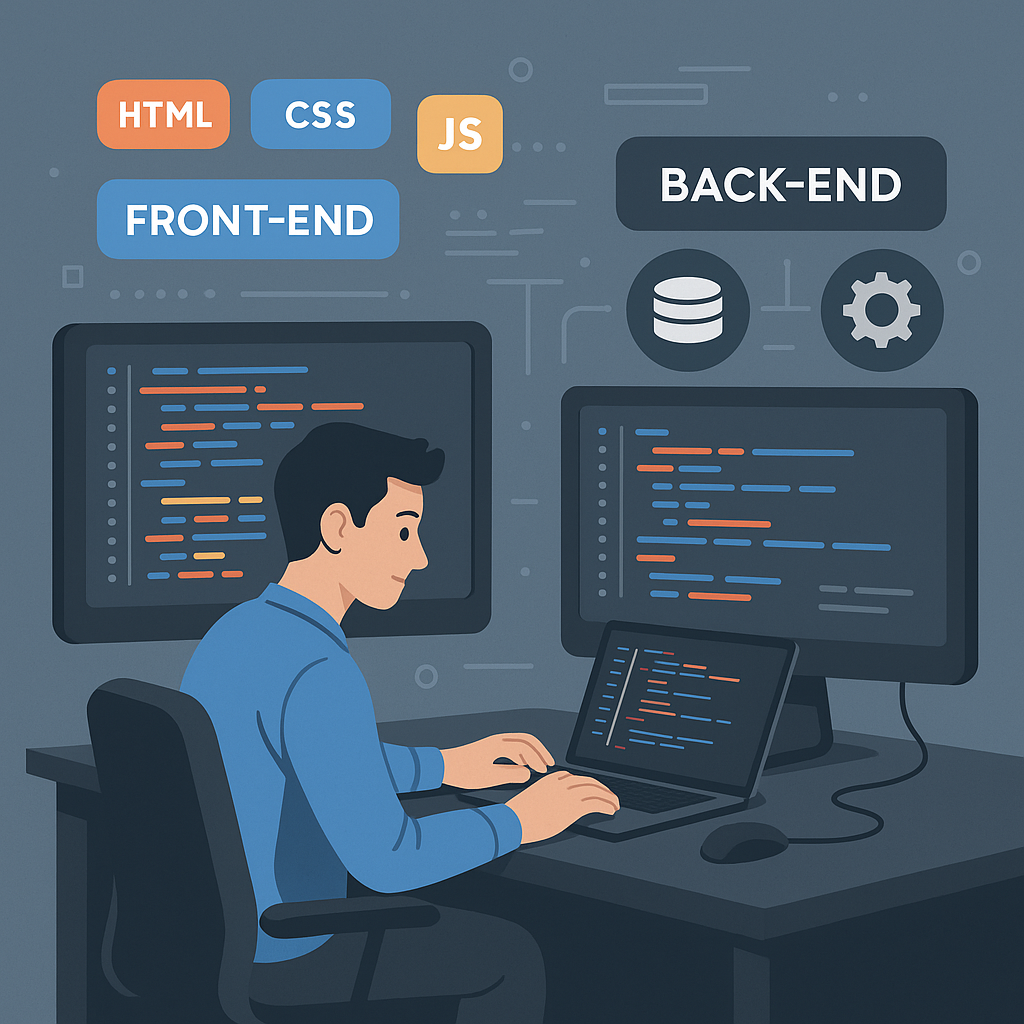

Monthly website maintenance is the practice of regularly updating, monitoring, and optimizing a website to ensure it remains secure, fast, and functional. It involves a recurring schedule of technical tasks designed to prevent downtime and maintain optimal performance in an evolving digital landscape.
1. How does monthly maintenance improve website security?
Monthly website maintenance improves security by systematically identifying and patching vulnerabilities before they can be exploited. Cybersecurity threats continue to evolve every year. Hackers frequently target outdated websites that contain vulnerable plugins, themes, or software.
Regular maintenance helps by:
- Installing security patches
- Updating content management systems
- Monitoring suspicious activity
- Removing malware
- Strengthening website defenses
A compromised website can result in data breaches, downtime, lost revenue, and damage to your reputation.
Security Benefits
| Maintenance | TaskBenefit |
|---|---|
| Plugin Updates | Closes security vulnerabilities |
| Malware Scans | Detects threats early |
| Website Backups | Enables quick recovery |
| Firewall Monitoring | Blocks malicious traffic |
Investing in security today can save thousands of dollars in recovery costs later.
2. Why is website performance critical for business growth?
Website performance directly impacts user experience and conversions.
Research consistently shows that visitors expect websites to load quickly. Even a few seconds of delay can cause users to leave before viewing your content.
Monthly maintenance improves speed by:
- Optimizing images
- Cleaning databases
- Removing unused plugins
- Implementing caching improvements
- Monitoring server performance
Performance Impacts
A faster website often leads to:
- Lower bounce rates
- Higher engagement
- Better conversion rates
- Improved customer satisfaction
Simply put, speed equals revenue.
3. Will I Get Better Search Engine Rankings?
Google prioritizes websites that offer excellent user experiences.
Regular website maintenance supports SEO by ensuring:
- Fast page loading speeds
- Mobile-friendly design
- Proper indexing
- Updated content
- Healthy site architecture
Search engines also favor websites that are secure and error-free.
See Evaluating Page Speed for a Better Experience for more insights on how performance affects SEO.
SEO Maintenance Checklist
- Fix broken links
- Update outdated content
- Monitor keyword rankings
- Improve page speed
- Optimize metadata
- Check crawl errors
These ongoing improvements help strengthen your visibility in search results.
4. Will it Reduce Downtime and Technical Issues?
By regularly maintaining your website you can prevent technical issues from arising.
We all know unexpected website downtime can be costly. When your site is unavailable, potential customers cannot:
- Browse products
- Submit inquiries
- Make purchases
- Access important information
Monthly monitoring helps identify problems before they affect visitors.
Common issues caught early include:
- Hosting problems
- Plugin conflicts
- Server resource limitations
- Expired SSL certificates
- Broken forms
Proactive maintenance significantly reduces the risk of business disruptions.
See the Shopify site maintenance checklist for a complete list of updates you can perform yourself.
5. Enhanced User Experience
User experience plays a major role in customer satisfaction and conversion rates.
Visitors expect websites to be:
- Easy to navigate
- Mobile-friendly
- Fast-loading
- Error-free
- Visually appealing
Regular maintenance ensures all website components function properly.
Positive User Experience Leads To
- Longer visit durations
- More page views
- Increased trust
- Higher conversion rates
- Better customer retention
A smooth website experience can become a competitive advantage.
6. Cost Savings Over Time
One of the strongest arguments for monthly maintenance is cost prevention.
Minor technical issues often become major problems when ignored.
For example:
| Small IssuePotential | Future Cost |
|---|---|
| Outdated Plugin | Security breach |
| Slow Database | Site crash |
| Broken Form | Lost leads |
| Missing Backup | Data loss |
Fixing small issues proactively is far less expensive than emergency website recovery.
This is another reason why monthly website maintenance pays in the long run.
7. Higher Conversion Rates and Revenue
Your website exists to support business goals.
Whether those goals involve:
- Lead generation
- Product sales
- Appointment bookings
- Membership signups
Website performance directly affects results.
Maintenance improves conversion rates by:
- Ensuring forms work correctly
- Eliminating technical errors
- Improving page speed
- Optimizing mobile usability
- Enhancing trust signals
When visitors encounter fewer obstacles, they are more likely to take action.
What Should a Comprehensive Maintenance Plan Include?
A comprehensive maintenance plan typically includes:
Technical Maintenance
- Core software updates
- Plugin updates
- Theme updates
- Database optimization
Security Maintenance
- Malware scanning
- Security audits
- Backup management
- Firewall monitoring
Performance Maintenance
- Speed testing
- Image optimization
- Cache management
- Server monitoring
SEO Maintenance
- Technical SEO audits
- Broken link checks
- Content reviews
- Search performance monitoring
For package pricing comparisons of these plans, use our affordable maintenance packages guide to see how they compare.
Signs Your Website Needs Immediate Maintenance
Watch for these warning signs:
- Slow page load times
- Broken links
- Error messages
- Security alerts
- Declining search rankings
- Poor mobile performance
- Frequent downtime
- Outdated content
Addressing these issues quickly can prevent larger problems from developing.
How to Choose a Comprehensive Maintenance Provider
If you're outsourcing website maintenance plans, look for a provider that offers:
Experience
Choose professionals with a proven track record in website management.
Transparency
Maintenance reports should clearly explain completed tasks and results.
Security Expertise
Cybersecurity should be a core part of the service.
Performance Monitoring
Regular speed and uptime monitoring is essential.
Responsive Support
Quick assistance can minimize downtime when issues arise.
Conclusion
A website is never truly "finished." Technology evolves, security threats emerge, and customer expectations continue to rise. Businesses that invest in ongoing care consistently outperform those that neglect their digital presence.
The reason comprehensive maintenance pays is simple: it protects your investment while improving performance, security, SEO, user experience, and conversions. By addressing small issues before they become major problems, you save money, strengthen your online reputation, and create a better experience for your visitors.
In today's competitive digital landscape, regular website maintenance is not an optional expense—it's a smart business strategy that delivers measurable returns month after month.
For additional website maintenance best practices, visit WPBeginner's Website Maintenance Guide.
Frequently Asked Questions
Take the Next Step Toward Site Growth
Don't let your website hold you back. Ensure your digital flagship is fast, secure, and fully indexed.
About the Author

Brian Keary
Founder & Lead Developer
Brian is the founder of BKThemes with over 20 years of experience in web development. He specializes in WordPress, Shopify, and SEO optimization. A proud alumnus of the University of Wisconsin-Green Bay, Brian has been creating exceptional digital solutions since 2003.
Expertise
Writing since 2003