What is a Front-end Developer?
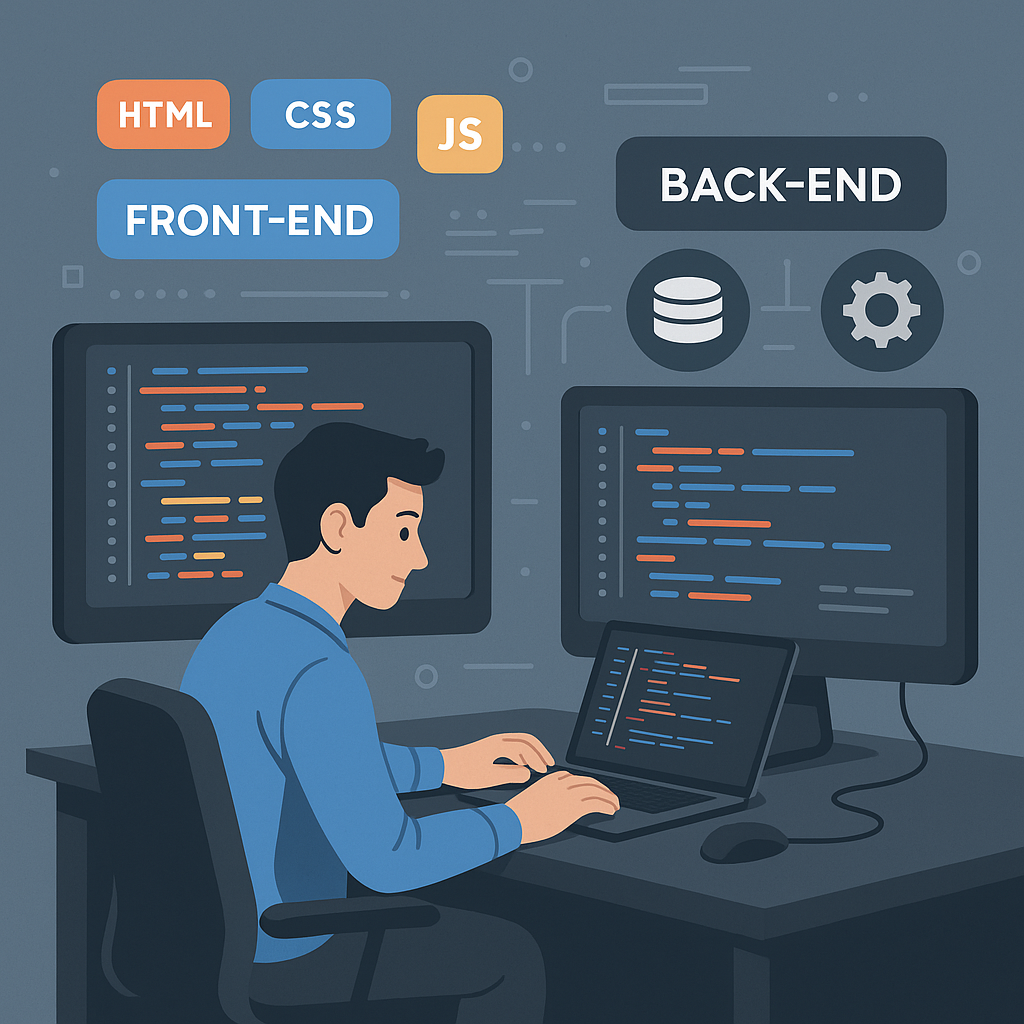
A front-end developer builds the visual and interactive components of websites and applications. This guide outlines the technical skills, tools, and career steps required to enter the field in 2025. From crafting responsive websites to building intuitive user interfaces, they're the architects of the digital realm.
Industry benchmarks from Glassdoor and Indeed show that front-end developers in the U.S. can expect annual earnings ranging from $70,000 to $120,000, depending on their experience and where they're located.
As sectors like e-commerce, SaaS platforms, and mobile-first design continue to explode, the front-end developer role has become one of the most fulfilling and lucrative tech careers available in 2025. Whether you're a student charting your course, a professional looking to pivot, or a freelancer seeking new horizons, mastering front-end development is your ticket to a world of opportunity.
Understanding the Front-End Developer's Mission
A front-end developer is essentially the bridge between a website's design and the user's experience. They take the visual blueprints created by UI/UX designers and translate them into functional code using the core web technologies: HTML, CSS, and JavaScript.
- Front-end vs. Back End: Think of the front-end as the stage and the actors – what the audience sees and interacts with. The back end is the backstage crew, managing the infrastructure, databases, and behind-the-scenes logic.
- Full Stack Development: Some pros master both sides, becoming "full stack" developers who can handle the entire web application lifecycle.
- User Experience (UX): Exceptional front-end development is all about making a website not just look good, but feel intuitive, accessible, and lightning-fast to use.
In short, front-end developers don't just make websites look appealing; they make them a joy to interact with.
The Foundational Skills Every Front-End Developer Needs
The bedrock of any successful developer's journey is a solid grasp of the fundamentals:
- HTML (HyperText Markup Language): The structural skeleton of any website. Following W3C standards ensures your markup is semantic, clean, and properly interpreted across all modern web browsers.
- CSS (Cascading Style Sheets): The visual stylist responsible for layout, typography, colors, and overall design aesthetics. Adhering to W3C CSS specifications helps maintain cross-browser compatibility and maintainable styling rules.
- JavaScript: The interactive engine that powers dynamic content, handles web application logic, and communicates with external services.
Key Supporting Pillars:
- Responsive Design: Ensures websites adapt seamlessly across varying device screen sizes, from mobile phones to high-resolution desktop displays.
- Web Accessibility & WCAG: Aligning with standard accessibility guidelines guarantees your web applications are usable by everyone, including individuals relying on assistive technology.
- Browser Developer Tools: Essential built-in tools for inspecting elements, debugging JavaScript errors, and optimizing application performance in real time.
Beyond these, mastering responsive design is crucial to ensure your creations look flawless on any device, from massive desktop monitors to tiny smartphone screens. Adhering to accessibility standards like WCAG is also paramount, ensuring your websites are usable by everyone, including individuals with disabilities. And don't forget the power of browser developer tools – your essential companions for debugging and optimizing performance.
Conquering Modern Front-End Frameworks
Frameworks are the power tools of contemporary web development, enabling you to build robust, scalable, and engaging applications with remarkable speed and efficiency.
Some of the most sought-after frameworks include:
- React (by Meta): Currently the most in-demand framework, celebrated for its component-based architecture and vast ecosystem.
- Vue.js: Known for its gentle learning curve, flexibility, and lightweight nature, making it a favorite for many.
- Angular (by Google): A comprehensive, opinionated framework ideal for building large-scale, enterprise-level applications.
Pro Tip: If you're just starting, diving into React is often recommended. Its massive community, extensive documentation, and abundant job openings provide a strong launchpad.
Essential Tools for the Modern Front-End Developer's Toolkit
To thrive in this competitive field, proficiency with the right tools is non-negotiable:
- Version Control: Get comfortable with Git and learn to manage your projects on platforms like GitHub.
- Package Managers: npm and Yarn are your go-to tools for efficiently managing project dependencies.
- Build Tools: Tools such as Webpack, Gulp, or the increasingly popular Vite automate tasks like bundling, transpiling, and optimizing your code.
- Code Editors: Visual Studio Code (VS Code) continues to be the industry standard, offering a powerful and flexible environment for coding.
These tools are designed to streamline your workflow, automate tedious tasks, and facilitate seamless collaboration with other developers.
Bridging the Gap: APIs and Backend Integration
Modern web applications are rarely islands; they thrive on data fetched and displayed dynamically through APIs (Application Programming Interfaces). Understanding how to interact with these is key.
Focus on learning how to:
- Retrieve data using built-in browser methods like fetch() or libraries like Axios.
- Work with common API architectural styles such as RESTful APIs and the more modern GraphQL.
- Effectively parse JSON data and implement robust error handling for a smooth user experience.
This knowledge is crucial for connecting your front-end creations with the power of back-end systems.
UI/UX Design Fundamentals for Front-End Developers
While you might not be the primary designer, a solid understanding of UI/UX design principles will significantly elevate your work and make you a more valuable team member.
- Familiarize yourself with the basics of color theory and effective typography.
- Gain some familiarity with design tools like Figma, Adobe XD, or Sketch to better interpret designs.
- Understand the concept of building prototypes to visualize user journeys before diving into code.
Developers who possess a keen eye for design are consistently in high demand. Learn why you need design engineers on your team.
Building Your Inaugural front-end Project
Once you've solidified your understanding of the core concepts, it's time to put your knowledge into practice by building your first real-world project. Hands-on experience is the most potent teacher in web development.
1. Establish Your Development Workspace
Ensure you have installed:
- VS Code for an efficient and enjoyable coding experience.
- Node.js allows you to run JavaScript outside of a web browser.
- Git for robust version control.
Structure your project directories logically, creating separate folders for your HTML files, CSS stylesheets, JavaScript code, and other assets like images and fonts.
2. Craft a Simple Portfolio Website
Begin with a manageable project, like a single-page portfolio website to showcase your name, burgeoning skills, and any projects you've completed. As your confidence and abilities grow, you can expand this into a multi-page site or even a dynamic single-page application using frameworks like React or Vue.
3. Sidestep Common Pitfalls
- Never underestimate the importance of responsive design.
- Resist the urge to copy code without truly understanding its function.
- Thoroughly test your website across various browsers and devices.
Remember, a well-executed, even simple, project often speaks volumes more than a stack of certificates.
Constructing a Compelling Portfolio and Resume
Your professional portfolio is your primary calling card, opening doors to job offers and freelance opportunities.
1. Feature Your Best Work
Curate a selection of 3–5 projects that highlight a diverse range of your skills:
- Your own personal portfolio website.
- An interactive JavaScript game or utility application.
- A functional React-based to-do list or weather application.
- A meticulously crafted responsive business website clone.
Leverage free hosting services like GitHub Pages, Vercel, or Netlify to make your projects accessible online.
2. Draft a Standout Resume
Your resume should concisely present:
- A brief, impactful professional summary.
- Your core technical proficiencies (e.g., HTML, CSS, JS, React, Git).
- Direct links to your projects and your GitHub profile.
Focus on substance; let your impressive projects be the main narrative.
3. Cultivate Your Online Presence
Utilize platforms like LinkedIn, CodePen, Dev.to, or Behance to share your work, connect with peers, and engage with the broader developer community. Often, networking can be more effective than traditional job applications.
Accelerating Growth Through Real-World Application
Gaining practical, hands-on experience is indispensable for continuous improvement.
- Contribute to open-source projects: Explore beginner-friendly repositories on GitHub to learn from established codebases.
- Take on freelance gigs: Platforms like Upwork or Fiverr offer opportunities to earn while you learn and build your client base.
- Participate in hackathons: These events are excellent for honing your teamwork, problem-solving, and rapid development skills under pressure.
Every project you undertake, big or small, sharpens your abilities and bolsters your confidence.
Nailing Your Front-End Developer Interviews
Securing your first front-end role can seem daunting, but thorough preparation is your greatest asset.
1. Key Interview Topics to Master
Be ready for questions covering:
- HTML semantic structure and best practices
- CSS layout techniques like grid and flexbox
- JavaScript DOM manipulation and event handling
- React core concepts such as components, props, and state management
2. Sharpen Your Coding Skills
Practice solving coding challenges on platforms like:
3. Don't Underestimate Soft Skills
Employers are equally interested in your:
- Analytical and problem-solving capabilities
- Ability to collaborate effectively within a team
- Clear and concise communication skills
Confidence stems from preparation. Engaging in mock interviews can significantly refine your interview technique.
Exploring Diverse Front-End Developer Career Paths
The field of front-end development offers a wide array of exciting career trajectories.
1. Junior front-end Developer
Your initial focus should be on mastering the core technologies and frameworks, alongside gaining practical, real-world experience.
2. Mid-Level / Senior Developer
As you advance, you'll likely take on leadership roles, guide junior developers, and contribute to optimizing complex codebases.
3. Specialized Niches
- UI Engineer: Concentrates on building and maintaining design systems and ensuring seamless integration with front-end code.
- UX Developer: Merges development expertise with a deep understanding of user research and interaction design.
- Full-Stack Developer: Possesses the skills to manage both the client-side and server-side of web applications.
With significant experience, you could even ascend to roles like front-end Architect or Tech Lead.
Learn what it takes to become a full-stack developer in our ultimate step-by-step guide.
The Imperative of Continuous Learning and Staying Current
The web development landscape evolves at a breakneck pace; staying updated isn't just beneficial—it's essential.
1. Follow Leading Tech Publications and Communities
Stay informed by keeping an eye on:
- Smashing Magazine
- CSS-Tricks
- Dev.to
- Frontend Weekly
2. Engage in Online Courses and Certifications
Platforms such as freeCodeCamp, Udemy, and Coursera provide a wealth of high-quality courses tailored for front-end development.
3. Explore Emerging Technologies
Experiment with cutting-edge tools and languages like Next.js, TypeScript, Svelte, and WebAssembly to ensure your skills remain relevant for the future. See custom Next.js themes to see the performance it has.
Navigating Common Challenges and Finding Solutions
Mistakes are an inevitable part of the learning process for every developer. The key is to learn from them effectively.
| Common Pitfall | How to Overcome It |
|---|---|
| Over-reliance on frameworks | Build a strong foundation in vanilla JavaScript first. |
| Overlooking accessibility | Integrate WCAG and ARIA standards into your development process. |
| Inconsistent version control practices | Commit your changes frequently with clear, descriptive messages. |
| Ignoring website performance | Optimize images, minify code, and leverage browser caching. |
| Skipping testing phases | Implement basic testing using tools like Jest or Cypress. |
Remember: writing clean, maintainable, and well-documented code is a hallmark of professional development.
FAQs — Your Burning Questions About Becoming a Front-End Developer Answered
Conclusion — Your Strategic Roadmap to Front-End Developer Success
Embarking on the journey of learning how to become a front-end developer is an incredibly rewarding and empowering experience. You're not merely learning to write code; you're acquiring the ability to craft digital experiences that millions will interact with daily.
Start with the fundamentals, master the essential tools, build an impressive portfolio, and commit to lifelong learning. With unwavering dedication and consistent practice, your aspiration of becoming a professional front-end developer is well within reach.
🚀 A final thought: Every accomplished developer began exactly where you are now—filled with curiosity and a passion to create.
Looking for implementation support? Visit our web development services page for the full service overview.
About the Author

Brian Keary
Founder & Lead Developer
Brian is the founder of BKThemes with over 20 years of experience in web development. He specializes in WordPress, Shopify, and SEO optimization. A proud alumnus of the University of Wisconsin-Green Bay, Brian has been creating exceptional digital solutions since 2003.
Expertise
Writing since 2003