
In today's competitive digital marketplace, understanding web development costs is essential for businesses and entrepreneurs who want to improve their online presence. Design choices, functionality, hosting, maintenance, and future growth all shape the final budget. This guide breaks down the main cost drivers, common pricing models, and practical budgeting strategies so non-technical decision-makers can plan with more confidence.
What Are the Main Factors That Affect Web Development Costs?
Several major categories influence the total investment:
- Web design: Custom layouts, branding, and mobile responsiveness often account for 20–30% of the budget.
- Content creation: Copywriting, images, and SEO-friendly assets can consume 15–25%.
- Development: Core coding, integrations, and custom functionality often represent 30–40%.
- Hosting and domains: Ongoing infrastructure costs usually fall in the 5–10% range.
- Maintenance and support: Updates, security patches, and troubleshooting can add 10–15% annually.
Project management, collaboration, prototyping, and iterative testing also affect the budget. A clear breakdown helps keep expectations realistic and reduces unpleasant surprise invoices. Depending on your team's structure, choosing a methodology recognized by the Project Management Institute can help keep your development timeline predictable.
How Do Web Design Costs Influence Your Budget?
Web design cost affects both conversion rates and user experience. Key design-related expenses include:
- Layout and UI design: Custom structure and visual hierarchy shape first impressions.
- Graphic elements and interaction design: These improve engagement and brand perception.
- Accessibility work: Compliance with official WCAG standards 2.2 and usability improvements benefit all users.
A well-designed website on platforms like Shopify or WooCommerce may devote 20–30% of the total budget to design. That investment often pays off by improving clarity, trust, and conversions.
To find out how much of your your budget to devote to your web development project we offer free quotes and, in some cases, even honor competitor quotes.
What Components Make Up a Web Development price?
The total of a project's web development price is typically made up of these components:
- Design and UX: Wireframes, prototypes, and visual strategy.
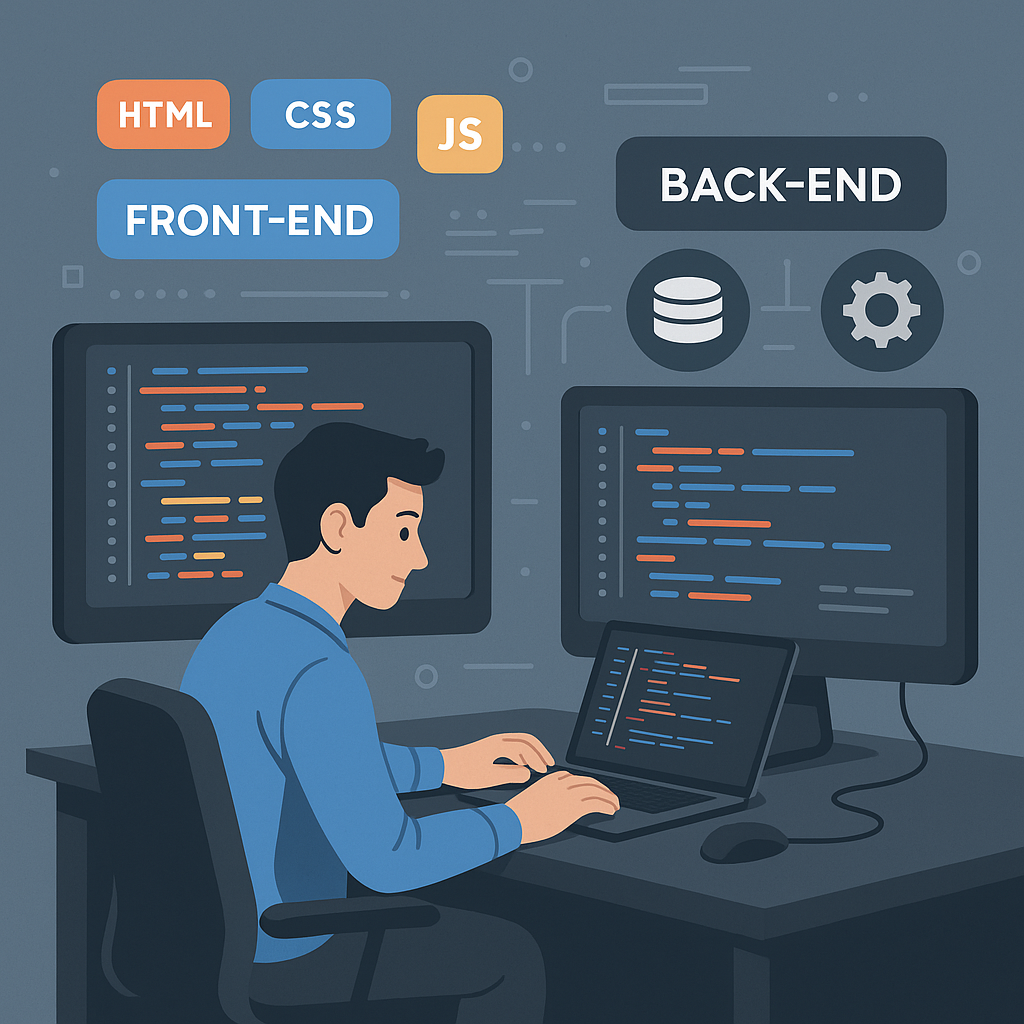
- Frontend development: HTML, CSS, JavaScript, React, or other UI frameworks.
- Backend development: Servers, databases, business logic, and APIs.
- Integrations and plugins: Payment gateways, CMS tools, CRM systems, or third-party services.
- Testing and quality assurance: Browser testing, device testing, and bug fixing.
- Security: Secure coding, SSL, compliance, and data protection.
- Content loading and optimization: Copy, media, and SEO improvements.
Clear milestone planning helps keep these components within budget and reduces scope creep.
How Does Content Creation Impact Overall Costs?
Content supports SEO, user engagement, and conversion. Typical content-related expenses include:
- Planning and strategy: Audience research and keyword targeting.
- Production: Writers, editors, designers, photographers, or video support.
- Ongoing updates: CMS maintenance, revisions, and content refreshes.
- Multimedia integration: Visuals and videos for richer user experiences.
High-quality content can feel expensive up front, but it usually improves organic traffic, engagement, and overall return on investment.
Why Are Hosting and Domain Fees Important for Budgeting?
Hosting and domain fees matter because they support:
- Accessibility: Reliable uptime and fast page delivery.
- Security: SSL, backups, and infrastructure-level protection.
- Brand identity: A trustworthy, memorable domain name.
These recurring web design costs are a smaller part of the total budget, but they are critical for reliability and long-term scalability.
What Are the Typical Maintenance and Support Costs?
Maintenance is essential for ongoing performance and security. Typical expenses include:
- Regular updates: CMS, plugin, dependency, and security updates.
- Backup and recovery: Scheduled backups and restore planning.
- Technical support: Ongoing troubleshooting and performance improvements.
Annual maintenance often costs 10–15% of the initial development budget. If you need recurring help, structured website maintenance plans or custom support retainers can make costs more predictable.
How Do Different Pricing Models Affect Web Development Budgets?
Pricing models influence how risk, flexibility, and scope changes are handled:
- Hourly pricing: Best for evolving projects, but costs can expand if scope stays fuzzy.
- Fixed-price projects: Good for well-defined work with clear requirements.
- Project-based pricing: A full statement of work with milestones and agreed deliverables.
- Retainer agreements: Ideal for support, optimization, and continuous improvements.
The best model depends on how clearly the project is defined and how much flexibility you need.
What Are the Differences Between Hourly and Fixed-Price Models?
Hourly models work well when requirements are still changing, but they need active oversight. Fixed-price models offer better cost certainty when scope, timeline, and deliverables are clearly documented. Many teams use a hybrid approach: discovery and planning may be billed hourly, while execution moves to a fixed project fee.
How Does Project-Based Pricing Work?
Project-based pricing usually starts with a detailed briefing, then translates into a formal scope, milestones, and deliverables. This can reduce unpredictability while ensuring the work stays aligned with agreed business goals.
What Are Retainer Agreements and Their Cost Benefits?
Retainers offer several advantages:
- Predictable expenses: A stable monthly or quarterly fee.
- Priority support: Faster response times and less downtime.
- Long-term efficiency: A team that already knows your site can work faster.
This model often reduces surprise costs and supports proactive maintenance.
Build something better
Need a developer who can actually ship the fix, feature, or rebuild?
This post is in Web Development, so here’s the most relevant next step if you want help applying it.
We handle custom web development, performance improvements, design upgrades, and ongoing technical support for sites that need more than templates.
- Custom development for WordPress, Shopify, and modern web stacks
- Performance, UX, and conversion-focused improvements
- Hands-on implementation with no pass-the-buck nonsense
How Does Your Technology Stack Influence Web Development Costs?
The technology stack directly affects budget, scalability, and future maintenance. Important considerations include:
- Framework and language choices: Open-source stacks reduce licensing costs but may need more custom work.
- Integration requirements: Payment, shipping, CRM, and API work can add complexity.
- Scalability goals: Architecture decisions can raise initial cost while reducing long-term bottlenecks.
- Maintenance demands: Some stacks are easier and cheaper to support than others.
The right choice depends on project size, expected traffic, integrations, and long-term growth plans.
What Are the Cost Factors for WordPress Development?
WordPress is popular because it is flexible and widely supported. It is still one of the most widely used CMS platforms on the internet. Source: W3Techs, 2026. With that many developers the web development prices will widely vary, but they often depend on:
- Theme and plugin customization
- Security and performance optimization
- Ongoing updates and support
- Hosting improvements as traffic grows
When evaluating WordPress, consider both the initial build cost and the long-term maintenance commitment.
How Much Does React Development Typically Cost?
React is often used for modern, interactive frontends. Project cost depends on:
- Frontend complexity
- Reusable component strategy
- Backend integration needs
- Overall application scale
For many businesses, React is worth the investment because it supports strong user experiences, scalability, and maintainable UI systems. To learn more about REACT see the official REACT documentation
What Are the Expenses Involved in Custom Web Development?
Custom development typically includes:
- Discovery, planning, and design
- Custom functionality and integrations
- Longer development timelines
- Extended testing and maintenance
Although custom builds cost more up front, they can align much better with business workflows and long-term goals.
How Does Project Scope Affect Your Web Development Budget?
Accurate estimates depend on a clearly defined project scope. That usually means:
- Documenting features and interactions in detail
- Preventing scope creep before development begins
- Choosing a project management method that fits the team
Here is a simple comparison of common delivery styles:
| Methodology | Scope Definition | Flexibility | Cost Impact | Management Style |
|---|---|---|---|---|
| Agile | Iterative and evolving | High | Variable | Continuous collaboration |
| Waterfall | Fixed and detailed | Low | Predictable | Linear milestones |
| Hybrid | Mixed approach | Moderate | Balanced | Adaptive planning |
Detailed requirements and strong planning reduce risk and help keep the budget aligned with deliverables.
Why Is Defining Detailed Project Requirements Crucial?
Requirements act as the blueprint for development. They help by:
- Reducing ambiguity
- Improving time estimates
- Streamlining communication across stakeholders
That clarity improves budget stability and makes project timelines more predictable.
How Do Agile and Waterfall Methodologies Impact Project Costs?
Agile offers more flexibility for evolving requirements, but that flexibility can introduce cost variability. Waterfall is easier to forecast when requirements are fixed, but it is less adaptable. A hybrid model can balance predictability and flexibility.
What Role Does Project Management Play in Controlling Costs?
Good project management controls budget by ensuring:
- Clear communication
- Milestone tracking
- Early intervention when scope starts drifting
That is often the difference between a smooth launch and a budget that quietly sprints into the woods.
How Can You Effectively Budget for a Web Development Project?
An effective budget should include:
- Clearly defined requirements
- Multiple quotes for comparison
- Balanced allocation across design, development, and maintenance
- A contingency reserve of 10–15%
- Early estimate tools or calculators
Regular reviews allow the budget to evolve responsibly as the project matures.
What Are the Steps to Define Your Project Requirements?
Start with:
- Stakeholder interviews and business discovery
- A documented feature list
- Competitive research and wireframes
- Review cycles to remove ambiguity
This process improves quote accuracy and prevents major surprises later.
How Do You Get Accurate Quotes From Developers?
To get more reliable proposals:
- Prepare a detailed RFP or scope summary
- Compare multiple vendors
- Review relevant case studies and testimonials
Clear quoting helps establish expectations and builds trust between clients and developers.
How Should You Allocate Budget Across Design, Development, and Maintenance?
A common distribution looks like this:
- Design: 20–30%
- Development: 30–40%
- Maintenance and support: 10–15%
Startups may invest more heavily in development first, while established businesses may put more toward design refinement and long-term support.
What Are Emerging Trends and Their Impact on Web Development Costs?
New trends continue to shape both initial and ongoing expenses:
- Mobile-first design: More design and QA effort up front, better results long term.
- Remote work and outsourcing: Potential savings, but stronger coordination needs.
- AI and automation: Higher initial investment, greater efficiency over time.
- Headless CMS and PWAs: Better flexibility and performance, often with added complexity.
These choices can raise the initial budget but improve scalability and return on investment.
How Does Mobile-First Design Influence Project Expenses?
Mobile-first work often requires:
- Additional design iterations
- Broader QA across devices
- Performance optimization for mobile users
That raises initial cost, but it often improves engagement and search visibility.
What Is the Effect of Remote Work and Outsourcing on Costs?
Remote teams can:
- Reduce labor costs
- Expand access to specialized skills
- Require better communication systems
When managed well, outsourcing can reduce fixed overhead and improve project flexibility.
How Do New Technologies Affect Future Web Development Budgets?
Technologies like AI, advanced analytics, and automation usually increase initial costs because they require specialized skills. Over time, though, they may improve efficiency, security, and personalization enough to justify the investment.
Where Can You Find Tools and Resources to Estimate Web Development Costs?
Useful planning resources include:
- Online cost calculators
- Industry reports and benchmark studies
- Agency case studies
- Professional forums and peer communities
Together, these resources help businesses benchmark expected costs and negotiate more effectively.
What Case Studies Illustrate Real-World Cost Breakdowns?
Strong case studies often include:
- Detailed breakdowns of design and development hours
- Maintenance and hosting considerations
- Performance outcomes and lessons learned
These examples can act as practical blueprints for businesses planning similar projects.
Which Industry Reports Provide Reliable Cost Benchmarks?
Reports from reputable research firms and digital agencies can offer:
- Average budget ranges by project type
- Emerging cost drivers
- Benchmark comparisons across industries
Those insights support better planning and more informed vendor conversations.
Frequently Asked Questions
Q: What is the biggest driver of web development costs?
A: The largest driver is usually project complexity, especially custom features, integrations, and design requirements.
Q: How can businesses avoid unexpected expenses during web development?
A: Define scope clearly, document requirements, maintain change control, and keep a contingency budget of around 10–15%.
Q: Is it better to use hourly, fixed-price, or project-based pricing models?
A: It depends on the project. Hourly works well for evolving scopes, fixed-price is best for well-defined work, and project-based pricing offers strong overall budget clarity.
📧 Want to Stay Updated?
Get the latest web development tips and insights delivered to your inbox.
🚀 What Services do you Offer?
About the Author

Brian Keary
Founder & Lead Developer
Brian is the founder of BKThemes with over 20 years of experience in web development. He specializes in WordPress, Shopify, and SEO optimization. A proud alumnus of the University of Wisconsin-Green Bay, Brian has been creating exceptional digital solutions since 2003.
Expertise
Writing since 2003