Introduction to Progressive Web Apps (PWAs)
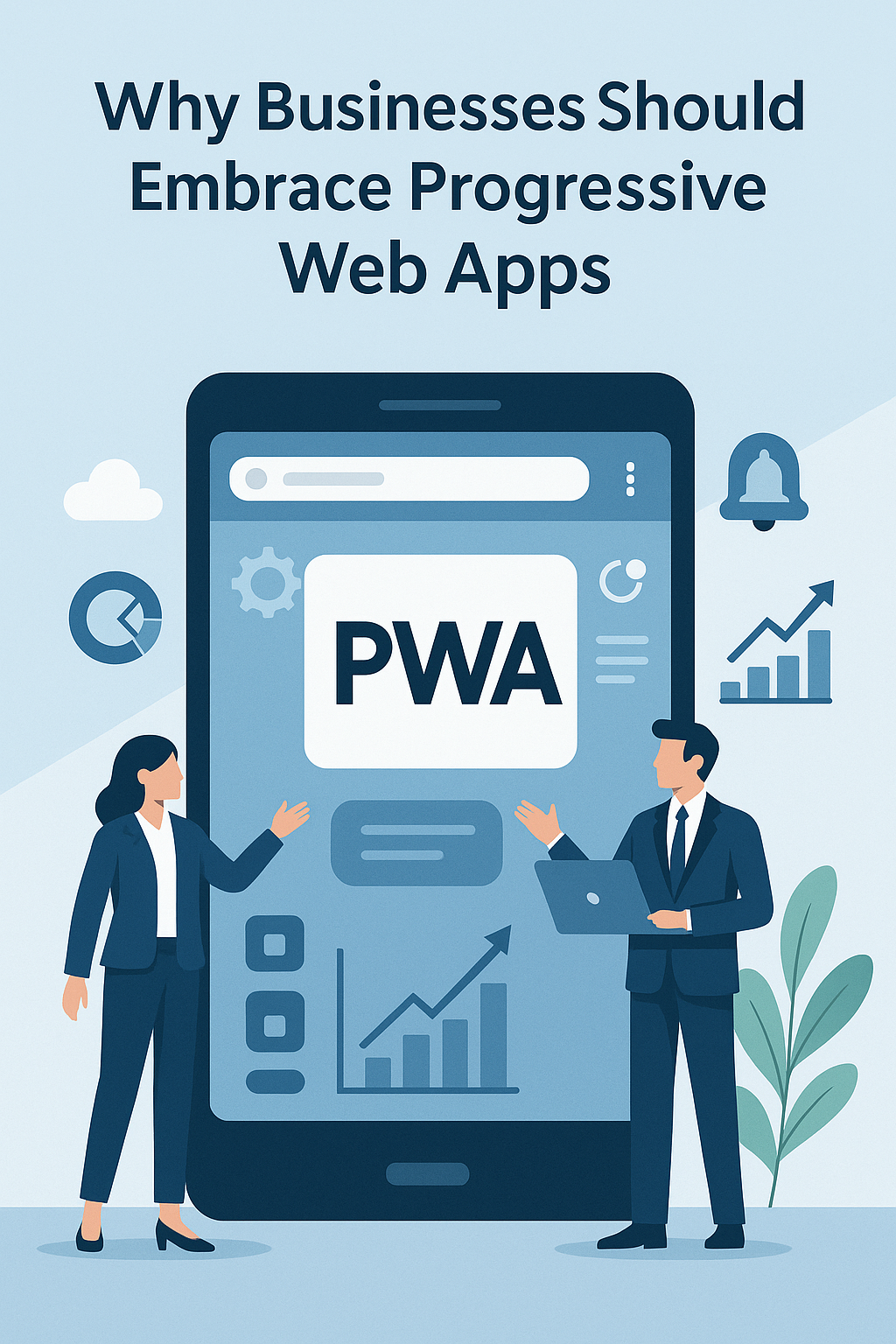
In a world dominated by smartphones and instant digital experiences, businesses can’t afford to fall behind when it comes to user experience. Enter Progressive Web Apps (PWAs) — the perfect blend of web accessibility and mobile app performance.
PWAs have redefined the digital landscape by allowing users to enjoy app-like experiences directly from their browsers, without the hassle of downloads or app store updates. But what makes them so revolutionary, and why are so many major brands — from Starbucks to Pinterest — embracing them?
Let’s dive into why businesses should embrace Progressive Web Apps and how they’re reshaping the future of online engagement.
What Are Progressive Web Apps?
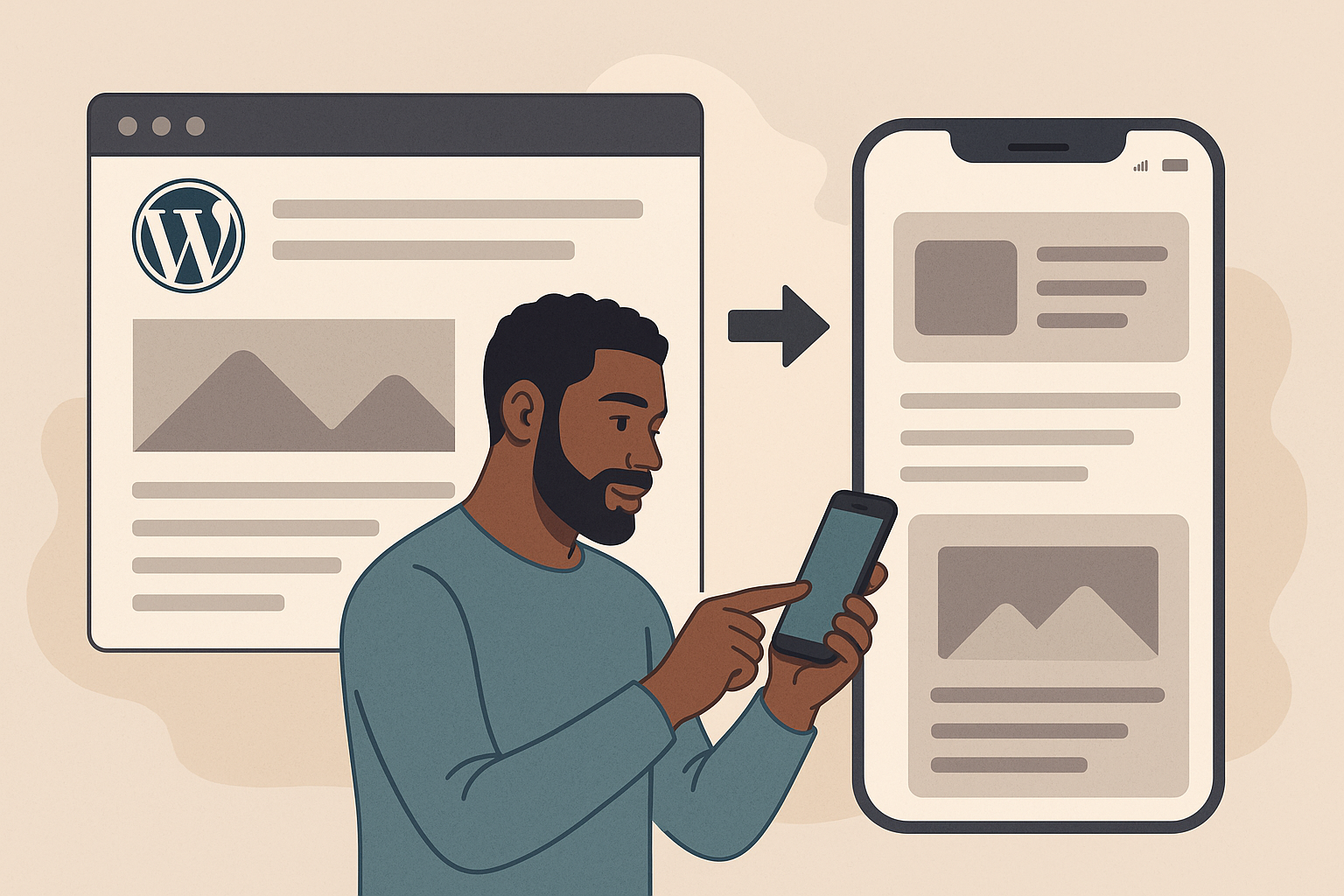
A Progressive Web App (PWA) is essentially a website that behaves like a native mobile app. It loads fast, works offline, and can be installed on your device’s home screen — all while being accessible via a web browser.
Unlike traditional websites, PWAs leverage modern web capabilities like service workers and manifest files to deliver immersive, reliable, and fast user experiences.
In simple terms: It’s a website that feels like an app — and performs like one, too.
The Evolution of Web and Mobile Experiences
Initially, businesses had two choices:
- Build a website for accessibility.
- Build a mobile app for engagement.
But both came with trade-offs. Websites lacked offline functionality, and apps required costly development and updates. Progressive Web Apps bridge this gap, offering the best of both worlds: the reach of the web and the engagement of mobile apps.
How do Progressive Web Apps Work?
There are a few components that make a progressive web app work. Some of the components are:
What are the Key Components Behind PWAs?
At their core, PWAs rely on three main technologies:
- Service Workers: Background scripts that cache content and enable offline access.
- Web App Manifest: Defines how the app appears to users (icon, theme color, splash screen).
- HTTPS: Ensures secure data transmission and trustworthiness.
Together, these elements create a seamless experience that rivals — and sometimes surpasses — native apps.
Service Workers, HTTPS, and App Shells Explained
The App Shell model allows the app’s basic structure to load instantly, even before full data retrieval. This makes PWAs ultra-fast, even on slow connections, while HTTPS ensures data integrity and user trust.
What are the Top Reasons to Invest in a PWA?
Let’s explore seven compelling reasons why every modern business should invest in PWAs.
1. Lightning-Fast Loading and Offline Access
PWAs load instantly — often within seconds — thanks to intelligent caching and preloading. Even if users lose connectivity, they can still browse previously visited pages offline, enhancing satisfaction and retention.
2. Improved User Engagement and Retention
With push notifications, home screen installation, and immersive UX, PWAs keep users coming back. Businesses report up to 50% higher engagement rates after adopting PWAs.
3. Cross-Platform Compatibility and Cost Efficiency
A single PWA works across all devices — mobile, desktop, and tablets — eliminating the need to develop separate apps for iOS and Android. This saves thousands in development and maintenance costs.
4. Enhanced SEO Performance and Discoverability
Unlike native apps, PWAs are indexable by search engines, giving businesses an SEO advantage. They can appear in Google search results, boosting visibility and organic traffic.
(Learn more about Google’s stance on PWAs.)
5. No App Store Dependency
PWAs bypass the app store entirely. Users can install them directly from their browser, reducing friction and increasing conversion rates.
6. Higher Conversion Rates and Sales Growth
Research shows that brands switching to PWAs see up to 70% faster page loads and 20% higher conversions. The result? More sales, more leads, and happier customers.
7. Seamless Updates and Maintenance
Forget manual updates. PWAs auto-refresh in the background, ensuring users always have the latest version — without downloading anything.
Real-World Examples of Successful PWAs
Starbucks’ PWA Transformation
Starbucks’ PWA allows customers to browse the menu and customize orders even offline. Result: 2x faster loading and a 65% increase in online orders.
Pinterest’s Engagement Surge
After launching its PWA, Pinterest saw a 60% increase in engagement and a 40% rise in time spent per session.
Alibaba’s Sales Boost
Alibaba’s PWA boosted mobile conversions by 76%, proving how transformative this technology can be for e-commerce giants.
Progressive Web Apps vs Native Apps
| Feature | Progressive Web App | Native App |
|---|---|---|
| Installation | Direct from the browser | Via App Store |
| Speed | Instant load | Slower (downloads) |
| SEO Visibility | Searchable on Google | Not discoverable |
| Maintenance | Single update for all | Multiple platform updates |
| Cost | Lower | Higher |
The Future of Progressive Web Apps in Business
Industry experts predict that PWAs will dominate over native apps by 2028, as more brands recognize their efficiency and reach. Google, Microsoft, and Twitter are already championing PWA-first strategies — and smaller businesses are quickly following suit.
How to Implement a Progressive Web App for Your Business
Step-by-Step Guide to Getting Started
- Analyze user needs and app features.
- Develop a responsive website framework. Learn how responsive web design can increase your CRO.
- Integrate service workers for caching and offline use.
- Create a web app manifest for installability.
- Secure your app with HTTPS.
- Test performance across all devices.
- Launch and promote your PWA to users.
Common Mistakes to Avoid During PWA Development
- Ignoring HTTPS security.
- Skipping push notifications.
- Overlooking mobile optimization.
- Failing to measure performance metrics.
Frequently Asked Questions (FAQs)
Conclusion: The Time to Embrace PWAs Is Now
Progressive Web Apps aren’t just a trend — they’re the future of digital engagement. They deliver lightning-fast performance, cross-platform functionality, and cost-effective scalability that traditional apps can’t match.
For businesses aiming to stay competitive, adopting a PWA strategy today means staying ahead of tomorrow’s digital curve. get your PWA developed today!
About the Author

Brian Keary
Founder & Lead Developer
Brian is the founder of BKThemes with over 20 years of experience in web development. He specializes in WordPress, Shopify, and SEO optimization. A proud alumnus of the University of Wisconsin-Green Bay, Brian has been creating exceptional digital solutions since 2003.
Expertise
Writing since 2003