Introduction
Are you eager to dive into the world of web development but worried about the costs of educational resources? You’re not alone—many aspiring developers today find themselves in a similar situation. Fortunately, the internet is bursting with incredible resources that can help you learn web development for free, making it accessible to anyone with a passion for coding. In this blog post, we’ll explore the best ways to learn web development without breaking the bank, ensuring that you not only master essential skills but also build confidence in your abilities. From interactive coding platforms to comprehensive online courses, we’ve compiled a list of top resources that you simply can’t ignore. So whether you're a complete beginner or looking to enhance your skills, you’ll find valuable information that fits your needs. Ready to unlock your potential and start your journey toward becoming a web developer? Let’s begin!
1. Start with the Basics: HTML, CSS, and JavaScript
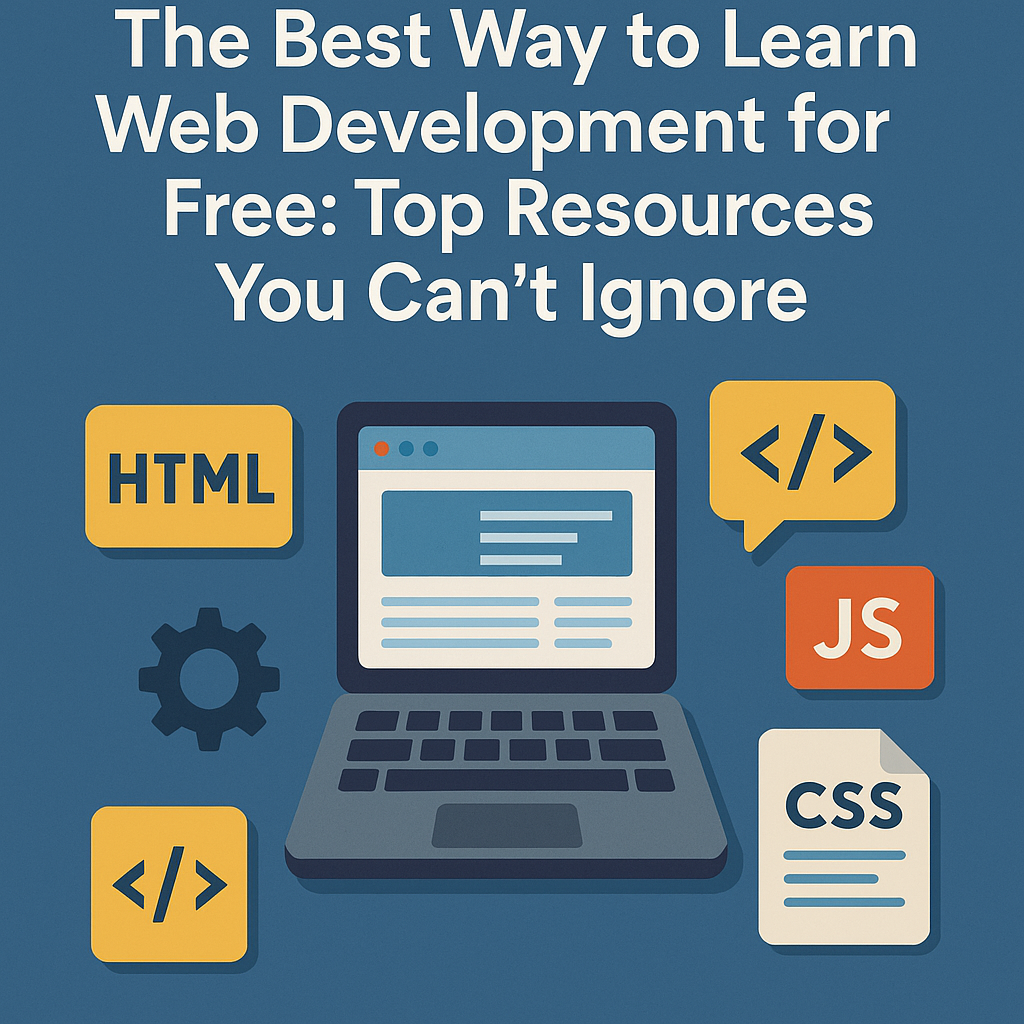
Before diving into frameworks or advanced topics, focus on mastering the building blocks of web development— HTML, CSS, and JavaScript. These three languages form the foundation of every website.
- HTML (HyperText Markup Language): Defines the structure and content of a webpage.
- CSS (Cascading Style Sheets): Adds style, color, and layout.
- JavaScript: Brings interactivity and dynamic behavior to websites.
Free resources to get started:
- Mozilla Developer Network (MDN Web Docs) – The go-to documentation for web technologies.
- freeCodeCamp – Offers structured, beginner-friendly tutorials.
- W3Schools – Great for quick references and examples.
2. Learn by Doing: Interactive Coding Platforms
The best way to learn web development is by doing. Interactive learning allows you to practice coding directly in your browser, reinforcing what you learn instantly. The top 15 cutting-edge web development tools allow you to practice coding directly in your browser, reinforcing what you learn instantly.
Top interactive platforms:
- Codecademy – Offers free lessons in HTML, CSS, and JavaScript with instant feedback.
- The Odin Project – A complete open-source curriculum that takes you from beginner to job-ready developer.
- Scrimba – Combines video tutorials with interactive code challenges.
These platforms let you write code in real time, making learning both fun and practical.
3. Build Projects Early On
Once you’ve grasped the basics, start building small projects. This not only solidifies your knowledge but also helps you create a portfolio to showcase your skills.
Project ideas for beginners:
- A personal portfolio website
- A simple to-do list app using JavaScript
- A landing page for a fictional business
You can host your projects for free using GitHub Pages or Netlify, which also helps you learn version control and deployment.
4. Explore Front-End Frameworks
After mastering HTML, CSS, and JavaScript, it’s time to learn front-end frameworks that make development faster and more efficient.
Recommended frameworks:
- React.js – Highly popular and great for building dynamic user interfaces.
- Vue.js – Easy to learn and perfect for beginners.
- Bootstrap – A CSS framework that simplifies responsive design.
Free resources to learn frameworks :
5. Don’t Forget Back-End Development
To become a full-stack developer, you’ll also need to understand how the back end of a website works. Learn about servers, databases, and APIs.
Best back-end languages to start with:
- Node.js (JavaScript) – Perfect if you’re already comfortable with front-end JavaScript.
- Python (Django/Flask) – Clean and beginner-friendly syntax.
Free back-end learning resources:
6. Join Online Developer Communities
Learning alone can be tough. Joining online communities helps you stay motivated, get feedback, and learn from others’ experiences.
Popular communities: Top WordPress trends
These spaces are excellent for networking, finding mentors, and staying up-to-date with industry trends.
7. Follow YouTube Channels for Visual Learning
YouTube is packed with valuable, free tutorials from experienced developers.
Top YouTube channels for web development:
- Traversy Media – Practical and beginner-friendly tutorials.
- Web Dev Simplified – Deep dives into JavaScript concepts.
- Programming with Mosh – Comprehensive front-end and back-end tutorials.
Visual learning makes complex topics much easier to grasp, especially when starting out.
8. Practice Consistently and Track Your Progress
Consistency is the secret to success. Dedicate at least an hour a day to coding and track your progress through a personal roadmap.
Tips for staying consistent:
- Set small daily goals.
- Maintain a GitHub streak.
- Keep a coding journal to record what you learn each day.
The more you practice, the more confident you’ll become.
9. Participate in Coding Challenges and Hackathons
Test your skills through real-world challenges. Platforms like HackerRank, Codewars, and LeetCode offer coding problems that sharpen your problem-solving abilities.
Participating in hackathons can also help you gain teamwork experience and network with professionals in the tech community.
10. Keep Learning and Stay Updated
Web development is constantly evolving. Frameworks, tools, and best practices change rapidly. Make it a habit to stay updated through blogs, newsletters, and podcasts.
Frequently Asked Questions (FAQs)
Conclusion
Learning web development for free has never been easier. With the wealth of online resources available today—from interactive tutorials to community support—anyone with determination and curiosity can build a successful career in tech. The key is consistency, practice, and continuous learning. So start today, use these free resources, and take your first step toward becoming a skilled web developer.
📧 Want to Stay Updated?
Get the latest web development tips and insights delivered to your inbox.
🚀 What Services do you Offer?
About the Author

Brian Keary
Founder & Lead Developer
Brian is the founder of BKThemes with over 20 years of experience in web development. He specializes in WordPress, Shopify, and SEO optimization. A proud alumnus of the University of Wisconsin-Green Bay, Brian has been creating exceptional digital solutions since 2003.
Expertise
Writing since 2003