
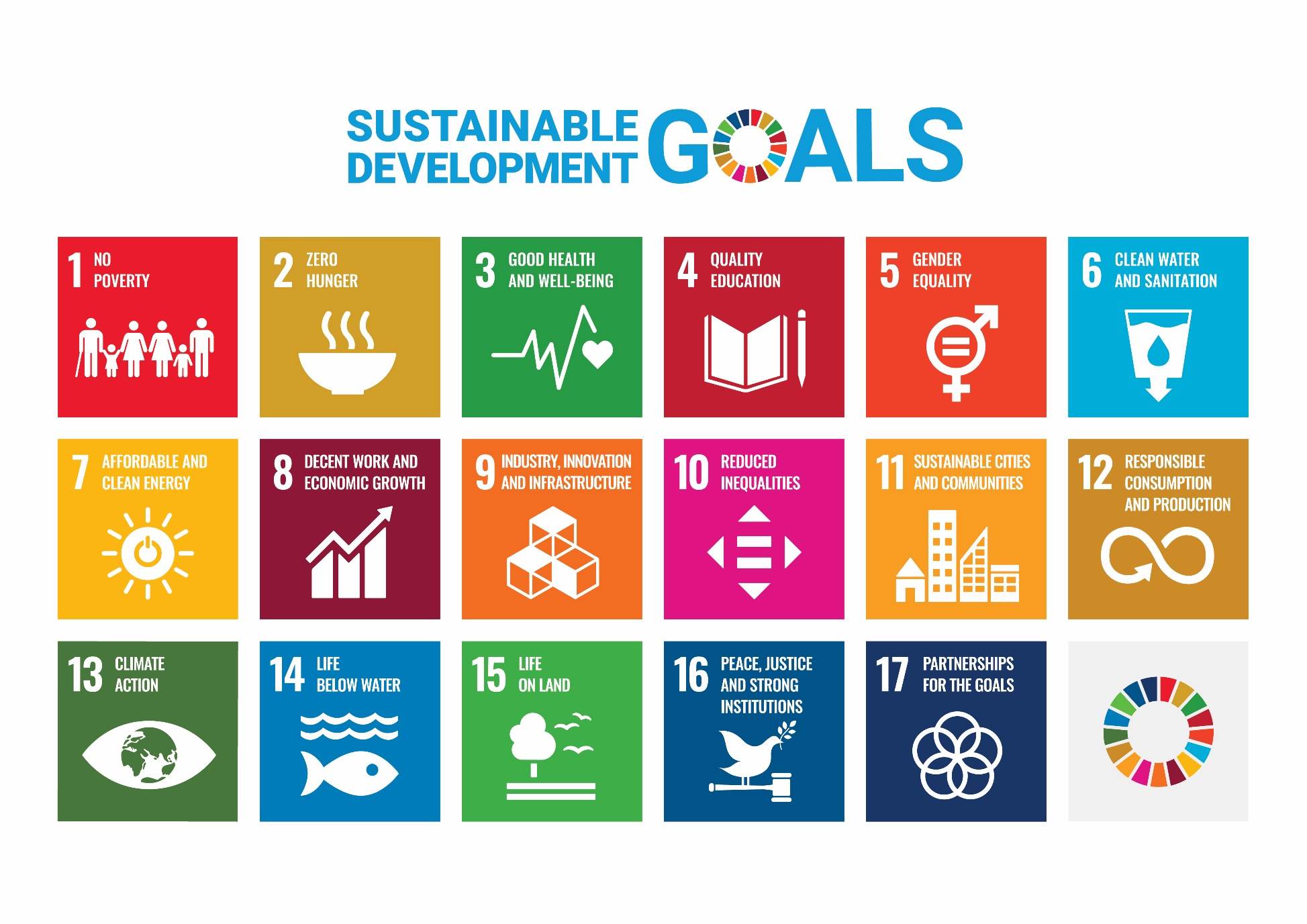
When we build websites, we often focus on load speeds, conversion rates, and pixel-perfect layouts while overlooking the resources required to deliver and operate digital products. Every unoptimized image, duplicated component, and unnecessary request can increase the work performed by servers, networks, and user devices. Sustainable web development considers the environmental, social, and economic impacts of designing, developing, and operating digital products—not carbon alone. The W3C Web Sustainability Guidelines describe a sustainable web as clean, efficient, open, honest, regenerative, and resilient.
Key Takeaways of Sustainable Web Development
- Sustainable web development covers environmental, social, and economic impacts rather than focusing solely on carbon output.
- Efficient code and reduced hardware requirements can improve performance while reducing unnecessary resource use.
- Hosting is a major sustainability lever, but green claims should be checked against the provider’s evidence and accounting method.
- Regular reviews help prevent long-term bloat and support resilient, maintainable digital products.
- Open reporting conventions such as
carbon.txtcan promote greater transparency. - Website-carbon figures are estimates whose results depend on methodology and assumptions.
Who This Is For
This framework is for front-end developers, backend engineers, product managers, and digital agency owners who want to improve the environmental, social, and economic performance of their digital products. If you care about writing efficient code, improving accessibility, protecting privacy, and creating resilient systems, this approach can fit naturally into your workflow. It is especially relevant to teams operating products at scale, where small improvements may affect many users over time.
Who This Is NOT For
This mindset is not for developers looking for careless shortcuts or teams that add heavy third-party scripts without reviewing their purpose, performance, privacy implications, or maintenance cost. If your primary goal is to assemble an unoptimized template filled with unnecessary media, duplicated functionality, and numerous tracking tools, sustainable engineering may feel restrictive. It demands deliberate choices rather than unchecked code and content bloat.
What is the True Environmental Cost of Code?
The true environmental cost of code comes from the electricity and hardware resources required to process software across millions of devices and massive data centers.
While digital products feel weightless, every line of code commands physical computer processors (CPUs and GPUs) that draw power—frequently generated by burning fossil fuels.
Key Drivers of Software's Carbon Footprint
- Inefficient Algorithms: Poorly written code forces hardware to run extra loops, make redundant network calls, and max out CPU cycles, burning more electricity than necessary.
- Data Center Load: Cloud infrastructure accounts for roughly 3% of global electricity consumption. Every megabyte of unnecessary data transferred or stored multiplies energy waste.
- Hardware Lifespan: Heavy, bloated software demands newer, faster hardware. This accelerates device obsolescence and drives up electronic waste.
- AI and Machine Learning: Training large AI models or running continuous generative queries requires massive GPU clusters, consuming millions of megawatt-hours and millions of liters of water for cooling.
Solutions: Green Software Engineering
Developers and organizations are working to shrink this impact through Green Coding:
- Compute Efficiency: Tuning algorithms, trimming loops, and removing background processes to lower CPU load.
- Data Optimization: Compressing file payloads and caching repeat requests to cut down network traffic.
- Carbon-Aware Computing: Scheduling heavy computing tasks during hours when local power grids draw from renewable energy sources.
- Modern Architecture: Moving toward microservices or serverless designs that scale down or shut off idle servers automatically.
We have travelled a long way from the idealism of Tim Berners-Lee and the birth of the world wide web, when the hope was to offer a free service that would “unlock creativity and collaboration on a global scale”. — Katharine Viner, How to survive the information crisis: ‘We once talked about fake news – now reality itself feels fake’, The Guardian
The Three Pillars of Web Sustainability
W3C organizes sustainability around three fundamental dimensions: Planet, People, and Prosperity. These dimensions connect environmental performance with accessibility, privacy, security, inclusion, and governance. A site that works efficiently on a wider range of devices can support both resource efficiency and a better experience for people using limited hardware or connectivity.
| Dimension | Focus Area | Impact on Development |
|---|---|---|
| Planet | Resource use and hardware requirements | Efficient delivery can reduce unnecessary processing and data transfer. |
| People | Accessibility, privacy, security, and inclusion | Clear, lightweight experiences can better support diverse users and devices. |
| Prosperity | Resilience, efficiency, and governance | Maintainable architectures can reduce unnecessary operational and development work. |
Balancing these pillars means recognizing that software choices affect more than a page’s appearance. Information architecture, visual design, and asset optimization all influence page size, performance, accessibility, and resource consumption. Purpose-built code can help teams control what is loaded and avoid unnecessary duplication, provided it remains maintainable and accessible.
Practical Development Measures for Leaner Code
Writing clean code starts with removing redundant information and avoiding duplicated logic. W3C guidance includes using semantic markup, deferring non-critical resources, and reducing unnecessary code so that browsers do not have to process more than the experience requires.
Automated tools can generate code rapidly, but generated output still requires human review. Developers should inspect structure, dependencies, and behavior to identify unnecessary markup, duplicated styles, and resources that are not essential to the user experience.
Here is a quick checklist of practical steps you can implement today to reduce unnecessary work:
- Audit and remove unused JavaScript and CSS before pushing code to production.
- Avoid duplicated code and redundant information across components and pages.
- Use semantic markup to provide clearer structure and meaning.
- Defer non-critical resources until they are needed.
- Optimize images and other assets according to their actual purpose and display size.
- Review third-party widgets for necessity, performance, privacy, and maintenance implications.
What Role Does Green Hosting Play in Sustainability?
Green hosting cuts the carbon footprint of websites and digital services by powering data centers with clean, renewable energy instead of fossil fuels.
Key Roles in Sustainability
- Cuts Greenhouse Gas Emissions: Data centers use 1% to 2% of the world's electricity. Green hosting replaces coal and gas power with wind, solar, or hydroelectric energy, slashing carbon dioxide output.
- Improves Server and Hardware Efficiency: Providers use modern, low-energy hardware, server virtualization (running multiple virtual servers on one physical machine), and smart power management to waste less energy.
- Optimizes Cooling Systems: Traditional air conditioning uses massive amounts of power. Green data centers use advanced liquid cooling, airflow design, or natural outside air cooling.
- Drives Renewable Energy Demand: By buying clean power or Renewable Energy Certificates (RECs), hosting companies help fund and grow the green energy market.
- Manages Electronic Waste: Sustainable hosts recycle old server parts, repair or reuse hardware, and extend equipment lifespans to reduce toxic e-waste.
- Encourages Lean Digital Design: Green hosting goes beyond the server room by inspiring developers to write cleaner code, streamline images, and load only what users need to save network bandwidth.
Web Sustainability vs. Information Crisis
Web sustainability and the information crisis are deeply connected twin challenges of the modern digital age: one strains the physical limits of the Earth, while the other strains the cognitive and democratic limits of society.
Web Sustainability (The Physical Crisis)
- Resource and Energy Cost: Surfing the web, streaming video, using social media, and running data centers consume massive amounts of electricity and rare minerals.
- Carbon and Mineral Footprint: Digital content consumption accounts for roughly 40% of the per capita carbon budget for limiting global warming to 1.5°C, and over 55% of the per capita carrying capacity for metal and mineral resources.
- The AI Expansion: The explosive growth of power-hungry GPUs in data centers accelerates energy demands and toxic chemical mining, making current hardware scaling unsustainable.
- Clean Energy Limit: While decarbonizing the electric grid helps lower carbon emissions, the heavy extraction of raw materials for devices and servers remains a major environmental threat.
The Information Crisis (The Epistemic Crisis)
- Strategic Skepticism: Climate denial has evolved into strategic misinformation and weaponized complexity designed to stall policy action and seed public doubt.
- Algorithmic Curation: Platforms and AI models prioritize attention maximization and engagement over accuracy, frequently distorting environmental science and public debate.
- Eroded Trust: Disinformation and polarized online discourse undermine collective responses to real-world emergencies, turning the ecological crisis into a crisis of shared truth.
Where They Intersect
- The AI Double-Edged Sword: Generative AI tools consume vast amounts of water and electricity, yet are simultaneously deployed to process big data and optimize energy grids.
- Attention Economy Waste: Bloated web design, heavy client-side scripts, and endless feeds drive up both device energy consumption and the spread of low-quality or manipulative information.
- Systemic Design: Truly sustainable digital systems require light-weight, user-friendly architectures that minimize both cognitive fatigue and environmental waste.
Mistakes to Avoid
One major error is relying blindly on a single-page carbon calculator score without examining its assumptions. Website-carbon estimates can vary because methodologies use different assumptions about hosting, networks, devices, caching, traffic, and electricity mix. Treat single-page figures as estimates and directional indicators, not direct measurements.
Another common pitfall is ignoring long-term maintenance. A site can accumulate unused dependencies, duplicated components, outdated assets, and unnecessary requests as it evolves. Consistent review helps teams keep systems efficient, secure, accessible, and easier to operate over time. Sustainability is not a one-time launch task; it is part of the product lifecycle.
Measuring Software Carbon Intensity
Calculating the environmental impact of digital products remains challenging because measurement methods use different boundaries and assumptions. In May 2026, the Green Web Foundation and Green Software Foundation were developing SCI for Web, a web-focused software-carbon measurement standard. The work was not presented as a finalized standard; its status is described in the update on SCI for Web.
To improve transparency, developers can also consider carbon.txt, a machine-readable convention promoted through The Green Web Foundation’s tools. It allows a domain to publish sustainability information in an open format. Clear reporting can help teams document decisions without presenting uncertain estimates as precise measurements.
Conclusion
Building a cleaner digital environment is not an impossible mandate; it is a return to thoughtful, disciplined engineering. By respecting hardware requirements, writing efficient code, optimizing assets, choosing hosting providers carefully, and maintaining systems over time, teams can create experiences that support users and reduce unnecessary resource use.
Sustainable development also requires a broad view. Performance should be considered alongside accessibility, privacy, security, inclusion, and governance. When these concerns are addressed together, digital products can become more efficient, open, honest, regenerative, and resilient.
Frequently Asked Questions (FAQ)
What is sustainable web development?
Sustainable web development is the practice of designing, building, and operating digital products while considering environmental, social, and economic impacts. It includes efficient code, thoughtful design, asset optimization, accessibility, privacy, security, inclusion, and responsible governance.
How does green hosting work?
Green hosting refers to hosting associated with renewable or “green” energy. The Green Web Foundation provides a dataset and verification system that can help developers identify relevant websites and providers. Green claims should still be reviewed carefully because they do not automatically mean zero operational emissions.
Why is code optimization important for sustainability?
Unnecessary code, duplicated functionality, and oversized assets require additional processing and data transfer. W3C recommends efficient code and reduced hardware requirements because lighter, faster products can reduce resource use and improve scalability.
Are website carbon calculators accurate?
Website-carbon estimators provide approximations based on assumptions about factors such as hosting, networks, devices, caching, traffic, and electricity mix. Because methodologies differ, treat their results as estimates and directional guides rather than exact measurements.
How can I start making my existing website more sustainable?
Begin by reviewing page weight, removing redundant information and unused code, deferring non-critical resources, optimizing assets, and examining third-party tools. You can also investigate your hosting provider’s evidence and accounting method and document sustainability information using an open convention such as carbon.txt.
As we look toward the future of the digital landscape, the responsibility falls on creators, developers, and strategists to build a web that respects both human needs and planetary limits. Sustainable web development has a broad scope, supported by frameworks such as the W3C Web Sustainability Guidelines, which connect efficiency with accessibility, privacy, security, inclusion, and governance.
Adopting these practices does not require a complete overhaul overnight. It starts with mindful iteration—one optimized asset, one clearer component, and one carefully evaluated hosting decision at a time. By prioritizing performance, simplicity, transparency, and resilience, teams can create digital experiences that work better for people while avoiding unnecessary resource use.
Looking for implementation support? Visit our web development services page for the full service overview.
About the Author

Brian Keary
Founder & Lead Developer
Brian is the founder of BKThemes with over 20 years of experience in web development. He specializes in WordPress, Shopify, and SEO optimization. A proud alumnus of the University of Wisconsin-Green Bay, Brian has been creating exceptional digital solutions since 2003.
Expertise
Writing since 2003