How Has Digital Engagement Evolved?
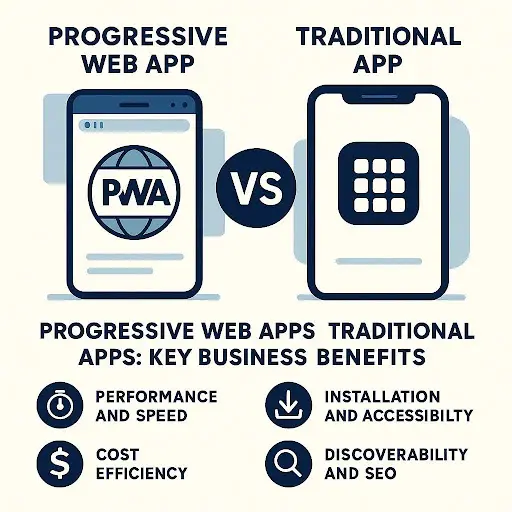
In the rapidly evolving digital landscape, businesses are increasingly evaluating Progressive Web Apps (PWAs) against Traditional Apps to find quicker, more budget-friendly, and user-centric solutions. With mobile devices now driving over 60% of global web traffic, the choice of app strategy significantly impacts a business's trajectory.
Why Are Mobile Accessibility and Cross-Platform Use Surging?
Today's consumers expect a smooth experience, no matter if they're on a desktop, tablet, or smartphone. While traditional apps offer robust functionality, they often face limitations due to platform-specific requirements and the expense of frequent updates. PWAs elegantly address this by providing a web-based solution that mirrors native app capabilities while ensuring broad compatibility across devices.
Why Must Businesses Re-evaluate Their App Strategies?
By 2025, businesses can no longer afford to lag in responsiveness or incur high maintenance costs. In the competitive race for digital attention, the decision between PWAs and traditional apps hinges on scalability, market reach, and return on investment.
See Why Businesses Should Embrace Progressive Web Apps.
Getting Started: What Exactly Are Progressive Web Apps (PWAs)?
How Do Progressive Web Apps Operate?
A Progressive Web App is a sophisticated web application that utilizes modern web features to deliver an experience akin to a native app, directly through a web browser. Built with standard web technologies like HTML, CSS, and JavaScript, PWAs are accessible via URLs, bypassing the need for app store downloads.
They employ service workers —background scripts—to enable offline functionality, data caching, and push notifications, effectively matching the capabilities of native applications.
What Are the Key Characteristics of a PWA?
- Offline Access through cached data
- Push Notifications to keep users engaged
- Rapid Loading via pre-caching and background synchronization
- Home Screen Shortcuts for easy access on mobile devices
- Adaptive Design that works across various devices and browsers
- Search Engine Discoverability, unlike native apps confined to app stores
What Are Traditional Applications?
What Are the Types of Traditional Apps?
Traditional apps typically fall into two main categories:
- Native Apps: Developed specifically for platforms like iOS (using Swift) or Android (using Kotlin/Java), offering peak performance but at a higher cost.
- Hybrid Apps: These blend web technologies with a native container, aiming for a balance between flexibility and development expense.
What Is the Standard Development Path for Traditional Apps?
Creating a native or hybrid app involves:
- Designing and coding distinct versions for each target platform.
- Submitting applications to app stores for review and approval.
- Managing updates through store release cycles.
- Overseeing ongoing maintenance, bug fixes, and user feedback loops.
While these applications provide rich user experiences, they are often more costly to develop, take longer to launch, and are more challenging to maintain compared to PWAs.
What Are the Core Business Advantages of PWAs Over Traditional Apps?
Let's examine the direct business benefits of choosing a PWA over a traditional app.
How Do PWAs Compare in Performance and Speed?
PWAs are inherently faster due to their caching and pre-loading mechanisms. Users can launch them almost instantly, even with weaker network connections, whereas traditional apps depend on installation and network speed. Research indicates PWAs can slash load times by up to 60% contributing to improved user retention.
How Cost-Effective Are PWAs, and What Are the Maintenance Savings?
Building and maintaining traditional apps typically costs 2 to 3 times more. PWAs require a single codebase for all platforms, significantly reducing development and update expenses.
Key takeaway: PWAs conserve time, resources, and development budgets, making them an excellent choice for startups and small to medium-sized businesses.
How Do PWAs Improve User Engagement and Conversion Rates?
With features like push notifications and direct home-screen access, PWAs excel at maintaining high user engagement. Companies such as Pinterest have reported a 40% increase in user session duration on their PWA compared to their mobile website. See Progressive Web App Expamples for more informtion.
What Is the Ease of Installation, Accessibility, and Offline Use for PWAs?
PWAs eliminate the need for app store downloads—users can simply add them to their home screens. Furthermore, their offline caching capabilities ensure they remain functional even without an internet connection, a significant advantage, particularly in regions with less reliable connectivity.
How Do PWAs Ensure Security, Updates, and Dependability?
PWAs utilize HTTPS encryption and feature automatic background updates, removing the burden on users to manually download new versions. This ensures a smoother and more secure user experience.
What Are the Discoverability and SEO Benefits of PWAs?
Unlike traditional apps that rely on App Store Optimization (ASO), PWAs are indexed by search engines like Google, granting businesses valuable organic search visibility.
Which Brands Are Thriving with Progressive Web Apps?
How Did Starbucks Streamline Mobile Orders with PWA Technology?
Starbucks developed a PWA that doubled user engagement and performed flawlessly even offline. Customers can easily browse menus, customize their orders, and place them, regardless of network conditions.
How Did Pinterest Enhance Engagement and Load Speed Efficiency with PWA?
Pinterest's PWA reduced data consumption by 80% and boosted engagement by 60%, illustrating how superior speed directly translates to better user retention.
How Did Forbes and Alibaba Drive Conversions Through PWAs?
Both companies experienced substantial improvements in re-engagement rates and conversions after implementing PWAs, highlighting the significant business value of this technology.
When Should you Opt for a PWA Over a Traditional App?
You should opt for a Progressive Web App (PWA) over a traditional native app when you need to maximize audience reach quickly on a limited budget. They are ideal for content-heavy platforms, e-commerce stores, and startups that do not require complex device hardware.
What Are Ideal Scenarios for Businesses to Choose a PWA?
- You aim for rapid, widespread reach with minimal investment.
- Your target audience primarily accesses services via mobile web browsers.
- You require strong search engine visibility.
What Are the Limitations and Points to Consider for PWAs?
While PWAs may not yet support every niche native feature (such as Bluetooth or NFC), this gap is rapidly closing as browser technologies advance.
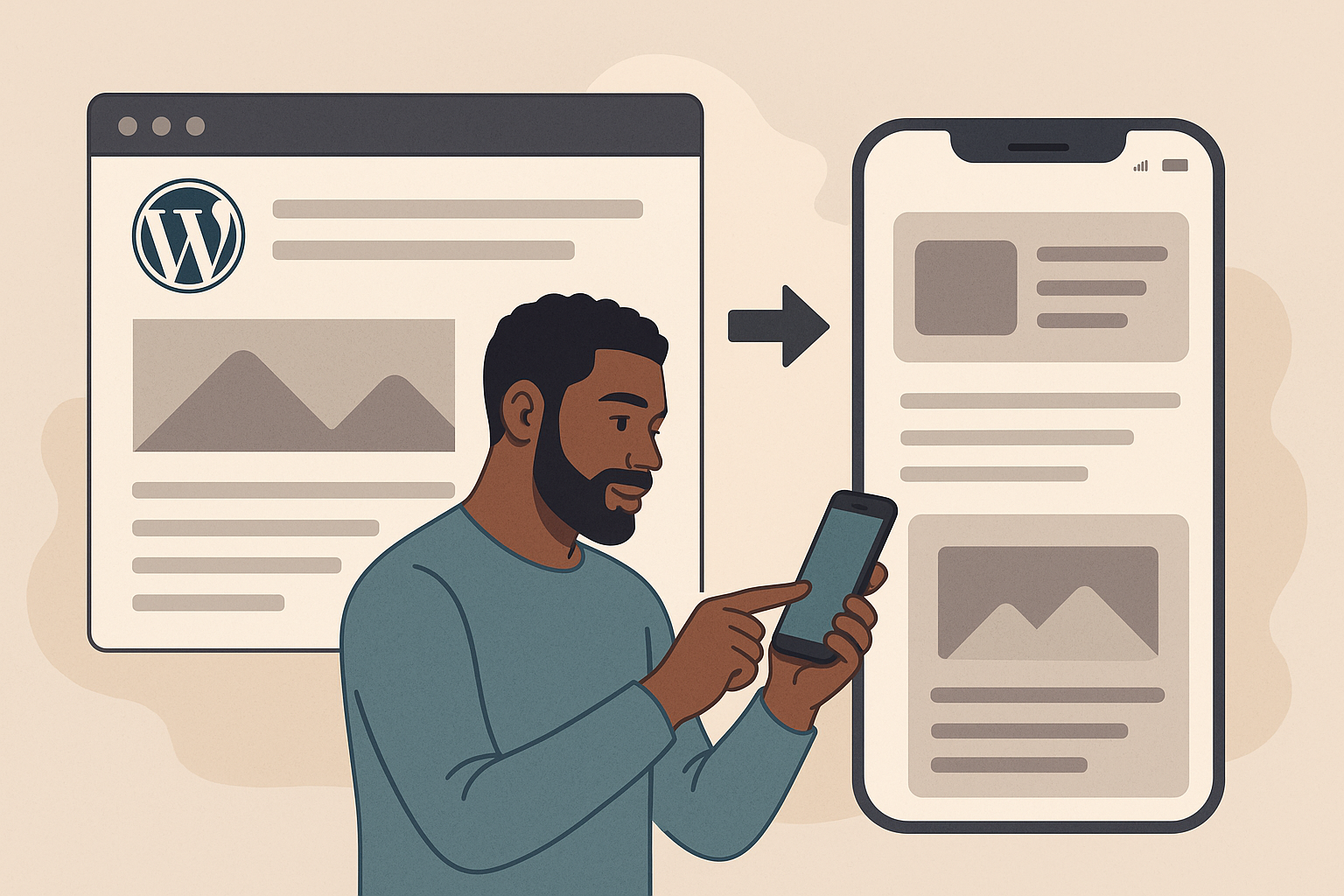
Learn Powerful Ways to Convert WordPress into an App: A Step-By-Step Guide.
What Is the Future of Mobile App Development with PWAs in 2025 and Beyond?
With the ongoing advancements in 5G, AI, and WebAssembly, PWAs are poised to become the go-to solution for businesses prioritizing speed, adaptability, and cost-effectiveness. The distinction between web and native applications will continue to blur, fostering a unified and seamless digital environment.
Frequently Asked Questions (FAQs)
Conclusion: Why PWAs Represent the Smart Business Choice for the Future
In the comparison of Progressive Web Apps versus Traditional Apps, PWAs clearly offer superior advantages for businesses—including enhanced speed, cost efficiency, flexibility, and SEO benefits. For organizations focused on optimizing user experience and ensuring scalability, adopting a PWA is not merely a trend; it's the path forward.
Additional Resource: Google Developers: An Introduction to Progressive Web Apps
Looking for implementation support? Visit our web development services page for the full service overview.
About the Author

Brian Keary
Founder & Lead Developer
Brian is the founder of BKThemes with over 20 years of experience in web development. He specializes in WordPress, Shopify, and SEO optimization. A proud alumnus of the University of Wisconsin-Green Bay, Brian has been creating exceptional digital solutions since 2003.
Expertise
Writing since 2003