
Backlink submission is the targeted process of presenting website URLs and original assets to curated external platforms, industry directories, and aggregator feeds. While search engines prioritize earned editorial mentions, disciplined backlink submissions provide foundational indexation signals and early referral traffic for emerging domains. This guide details compliant submission tactics, risk mitigation, and target vetting criteria.
Key Takeaways
- Backlinks are a critical SEO ranking factor, signaling authority and credibility.
- Backlink submission is the proactive process of submitting content to platforms to earn links.
- Focus on niche, high-quality directories and relevant platforms, not generic ones.
- Personalization and adherence to guidelines are crucial for successful submissions.
- Avoid automated tools, duplicate content, and low-quality targets.
- Backlink submission should complement, not replace, organic link building.
- Track your results to refine your strategy and focus on effective methods.
- The future emphasizes quality, relevance, and content value over sheer quantity.
What is Backlink Submission?
At its core, backlink submission is the proactive process of submitting your website's content, or specific pages, to various platforms, directories, or individuals with the explicit goal of earning a backlink. Think of it as putting your best foot forward, actively presenting your valuable content to potential linkers. This is distinct from waiting for others to discover your content organically, though both strategies are crucial for a robust SEO approach.
This submission can take many forms. It could involve submitting your blog posts to content aggregators that curate high-quality articles, listing your business in relevant niche directories, or even reaching out to website owners with a compelling reason for them to link to your content. The key differentiator is the intentionality behind the action. You're not just creating great content and hoping for the best; you're actively participating in the ecosystem to facilitate link acquisition.
This is not a one-size-fits-all endeavor. The "submission" can range from a simple form fill to a personalized outreach email. The sophistication of the method often correlates with the potential value of the backlink. A generic directory submission might yield a low-authority link, while a well-crafted pitch to an influential blogger could result in a powerful editorial link. Understanding these distinctions is vital for a successful backlink submission strategy.
Why Backlink Submission Matters for Your SEO
The impact of backlinks on your website's search engine optimization cannot be overstated. Search engines view backlinks as votes of confidence. The more high-quality votes you receive, the more trustworthy and authoritative your website appears. Backlink submission is a powerful tool to increase the volume and quality of these votes.
Firstly, it directly contributes to your website's authority. When reputable websites link to yours, they are essentially vouching for your content's credibility. This signal is picked up by search engine algorithms, influencing your site's overall domain authority and the authority of individual pages. Higher authority often translates to better search rankings.
Secondly, backlink submission can significantly increase your website's visibility. By submitting your content to relevant platforms, you expose it to new audiences. This exposure can lead to organic discovery, social shares, and, crucially, more backlinks from individuals who find your content valuable. It's like opening new doors for your content to be found.
Thirdly, it can help you diversify your backlink profile. Relying solely on organic links can sometimes lead to a less diverse set of referring domains. Strategic submission, particularly to niche directories and platforms, can broaden the types of sites linking to you, which is a healthy signal for search engines. A varied backlink portfolio often indicates natural growth.
Finally, and perhaps most practically, backlink submission can be a time-efficient way to acquire links, especially when starting out. While creating exceptional content is a long-term play, strategic submissions can yield quicker results, providing momentum and encouraging further content creation. It's a way to inject some proactive energy into your link-building efforts. Consider it a way to jumpstart your journey, as detailed in Link Building for Beginners: Guide to Skyrocketing SEO.
Which Backlink Submission Strategies Deliver Safe Results?
Strategies that deliver safe, Google-compliant (white-hat) backlink results focus on earning links through editorial merit, industry context, and real audience engagement.
Digital PR & Data Studies
Publishing original surveys, industry benchmark reports, or unique data assets makes your site a primary citation source. Pitching these statistical insights to journalists, industry publications, and news outlets via platforms like Connectively (formerly HARO), Qwoted, or direct media outreach generates authoritative, editorial backlinks that carry zero risk of search engine penalties.
Creating High-Value Linkable Assets
Designing free, high-utility resources—such as interactive calculators, downloadable templates, comprehensive industry guides, or visual diagrams—naturally encourages other creators to reference your site. When content solves a specific, recurring problem, publishers link to it as an additional resource for their own readers.
Strategic, Targeted Guest Contributions
Rather than mass-submitting low-quality articles to blog networks, pitch well-researched, original content to reputable, topically relevant publications within your niche. Ensuring your contributions match the publisher's editorial standards builds brand authority while securing contextual, natural backlinks.
Unlinked Brand Mention Reclamation
Use media monitoring tools (e.g., Ahrefs, BuzzSumo, or Google Alerts) to track online mentions of your brand name, products, or key executives. When an article or news post mentions your company without embedding a hyperlink, reach out to the editor with a polite request to turn the plain-text mention into a live source link.
Broken Link Building
Identify broken or dead outbound links (404 errors) on high-authority resource pages or industry blogs using SEO tools. Reach out to the site owner, notify them of the dead link, and suggest your relevant, up-to-date content as a seamless replacement—offering value to both the webmaster and their visitors.
Niche-Specific & Local Directory Citations
While generic web directories are largely obsolete, registering your business in curated, highly relevant industry directories (such as local chambers of commerce, trade association rosters, or regional business portals) delivers verified, Google-safe foundational links.
Tactics to Avoid (To Prevent Search Penalties)
- Automated Link Software: Mass-submitting your site to hundreds of blogs or forums using automated scripts.
- Private Blog Networks (PBNs): Buying links on networks built solely for link manipulation.
- Excessive Reciprocal Schemes: Engaging in systematic "link-for-link" trades at scale.
- Low-Quality Guest Posting: Contributing content to irrelevant or low-authority sites solely for the purpose of acquiring backlinks.
How to Execute a Successful Backlink Submission Strategy
Executing a backlink submission strategy effectively requires careful planning and a commitment to quality. It's about being strategic, not just numerous.
1. Content is King (Still!)
Before you submit anything, ensure your content is exceptional. Is it informative, engaging, unique, and valuable to your target audience? A compelling article, a useful tool, or an insightful infographic is far more likely to earn a quality backlink than mediocre content. Think of your content as your product; you wouldn't try to sell something subpar.
2. Identify High-Quality Submission Targets
This is arguably the most critical step. Not all directories or platforms are created equal. Research thoroughly.
- Relevance: Is the platform relevant to your industry, niche, or target audience?
- Authority: Does the platform have good domain authority and a clean backlink profile itself? Tools like Ahrefs or SEMrush can help here.
- User Base: Does the platform have an active and engaged user base that could potentially discover and link to your content?
- Editorial Standards: Does the platform appear to have editorial oversight, or is it a free-for-all? Higher standards often indicate higher quality.
Avoid directories that look spammy, have excessive ads, or appear to exist solely for link exchange. Focus on quality over quantity.
3. Personalize Your Submissions
Generic, automated submissions are a red flag. When submitting to directories, fill out all fields accurately and compellingly. When pitching content or suggesting resources, craft a personalized message. Explain why your content is a good fit for their audience. Highlight the value you bring. This is where a practical outreach playbook for stronger backlinks a hands on guide to link building seo growth can be invaluable.
4. Understand Submission Guidelines
Each platform will have its own rules and guidelines. Read them carefully and adhere to them strictly. This includes the format of your submission, the type of content allowed, and any specific information required. Ignoring guidelines can lead to immediate rejection or, worse, a negative mark on your website.
5. Track Your Results
Use analytics tools to monitor where your backlinks are coming from and their impact. Are certain types of submissions yielding better results than others? Are the links driving traffic? Tracking allows you to refine your strategy and focus your efforts on what works best. Tools like Google Analytics and Google Search Console are essential, and you might also find Best Link Building Tools for SMBs: Boost SEO & Rankings helpful for deeper analysis.
6. Be Patient and Persistent
Building a foundational link profile takes time, but it pays off in long-term search visibility. To see a full technical breakdown of top-tier domains, view our curated index of high-DA dofollow submission sites to kickstart your campaign.
What Are the Most Critical Backlink Submission Mistakes to Avoid?
To protect your website’s search engine rankings and avoid algorithmic penalties from Google, steer clear of these critical backlink submission mistakes:
- Submitting to Low-Quality or Irrelevant Directories: Mass-submitting your URL to generic, low-authority web directories or sites outside your industry niche signals link manipulation to search engines, which can lead to manual or algorithmic penalties.
- Using Automated Submission Software: Relying on automated "link blasting" software to submit your link to thousands of sites simultaneously generates spammy link patterns, generic anchor text, and instant flags from search engine algorithms.
- Submitting Duplicate or Thin Content: Submitting identical articles, press releases, or descriptions across multiple submission platforms creates duplicate content issues that diminish the value of your links.
- Ignoring Link Quality in Favor of Quantity: Focusing solely on the sheer volume of links rather than link authority, contextual relevance, and editorial quality degrades your domain's trust signals over time.
- Relying Solely on Submission Tactics: Treating submissions as your entire link-building strategy instead of combining them with organic link acquisition—such as publishing original data studies, guest writing, and earning editorial media citations—creates an artificial, high-risk link profile.
- Neglecting Analytics and Performance Tracking: Submitting links without monitoring referral traffic, domain indexing, or referring domain health prevents you from identifying and disavowing toxic or broken links.
How Does Backlink Submission Compare to Other Link Building Methods?
Backlink submission differs from other link-building methods primarily in its proactive approach, control over placement, and speed of execution.
Here is how backlink submission compares to other common link-building strategies:
1. Backlink Submission vs. Organic Link Earning
- Organic Earning: Highly passive. You create exceptional, shareable assets (such as original research, interactive tools, or comprehensive guides) and wait for webmasters and journalists to naturally discover and cite your content.
- Backlink Submission: Active and deliberate. Instead of waiting for discovery, you directly present your content or website URL to relevant platforms, niche directories, content aggregators, or resource pages to facilitate acquisition.
2. Backlink Submission vs. Link Exchanges (Reciprocal Linking)
- Link Exchanges: Involves a two-way "I link to you, you link to me" agreement between site owners. Search engine algorithms monitor for excessive reciprocal linking schemes, making large-scale exchanges risky.
- Backlink Submission: Typically a one-way process. You submit your site or content to an authoritative platform or directory, and links are granted based on directory criteria or editorial approval without requiring a return link from your domain.
3. Backlink Submission vs. Paid Link Buying
- Paid Links: Involves paying a third-party site directly for link insertion. This practice directly violates search engine webmaster guidelines and risks severe algorithmic or manual penalties.
- Backlink Submission: Focuses on submitting content to established platforms based on relevance and quality. While some press release distribution services or premium directory listings carry administrative fees, the link placement itself relies on meeting submission standards rather than purchasing rank equity.
When to Choose Backlink Submission
Backlink submission serves as an effective foundational tactic for new websites, local businesses, or campaigns needing immediate visibility and referring domain diversity. However, for maximum domain authority and long-term search performance, it should complement—rather than replace—broader organic content creation and PR outreach efforts.
Ultimately, backlink submission is a valuable tool when used strategically as part of a diversified link-building strategy. It helps you take control of your link acquisition process and can significantly boost your SEO efforts. For a deeper dive into the broader world of link building, The ultimate guide to link building powering your seo success offers excellent foundational knowledge.
Backlink Submission Checklist
To ensure you're on the right track, use this checklist before and during your backlink submission efforts:
Pre-Submission Checklist
- Content Quality: Is my content truly valuable, unique, and engaging?
- Target Audience: Does my content serve a specific audience's needs?
- Website Health: Is my website technically sound, mobile-friendly, and fast-loading?
- Competitor Analysis: What kind of links do my competitors have? Where are they getting them?
- Submission Target Research: Have I thoroughly researched potential directories/platforms for relevance, authority, and quality?
- Understanding Guidelines: Have I read and understood the submission guidelines for each target?
During Submission Checklist
- Personalization: Is my submission tailored to the specific platform and audience?
- Accurate Information: Have I provided all necessary information accurately (title, description, URL, categories)?
- Compelling Description: Is my description concise, informative, and benefit-oriented?
- Adherence to Guidelines: Have I followed all submission rules (format, length, etc.)?
- No Automation: Am I submitting manually or using approved, ethical tools?
- Appropriate Link Type: Am I submitting a relevant page/URL?
Post-Submission Checklist
- Tracking: Have I logged the submission and the target platform?
- Monitoring: Am I monitoring my backlinks for quality and potential issues?
- Analysis: Am I analyzing the results to see which submissions are most effective?
- Follow-up (if applicable): Have I followed up appropriately for pitches or resource suggestions?
- Patience: Am I giving the process enough time to yield results?
The Future of Backlink Submission
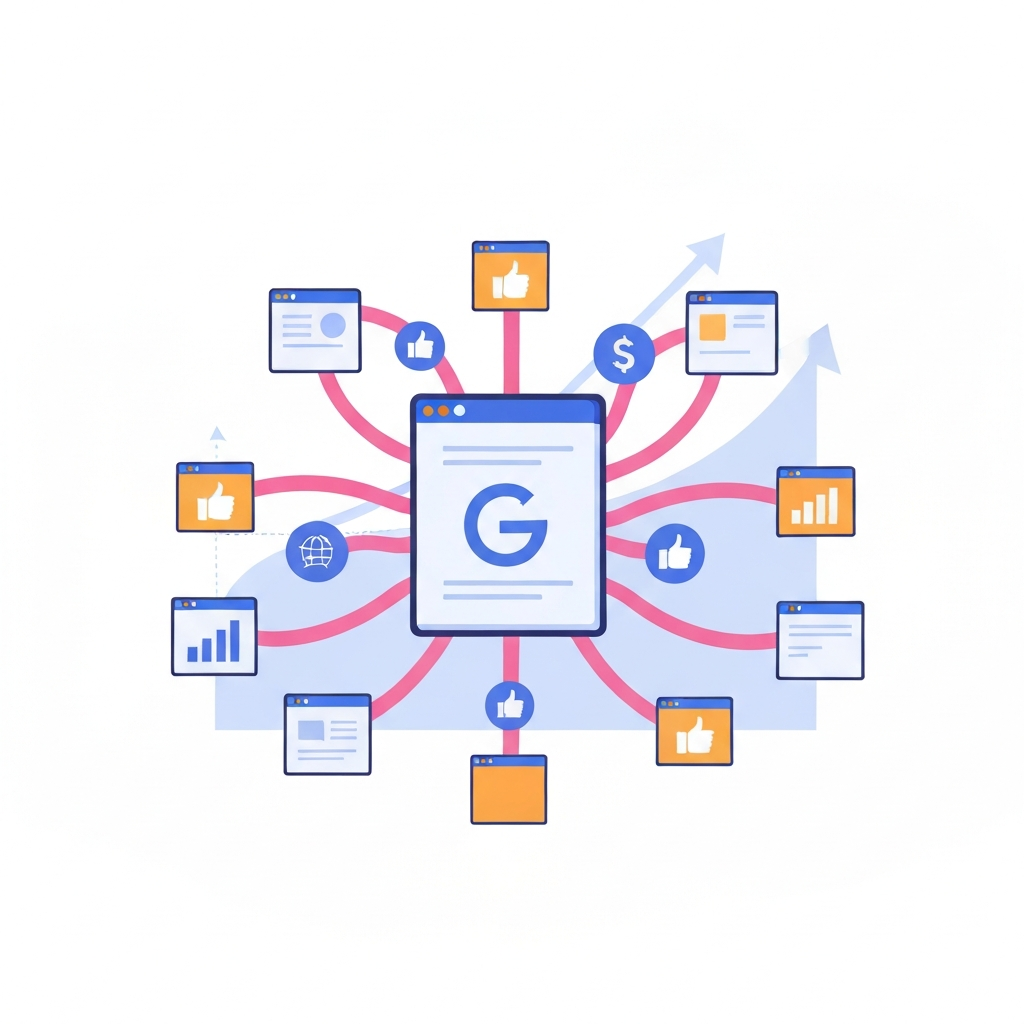
As search engine algorithms become more sophisticated, the emphasis will continue to shift towards quality and natural link acquisition. This means that backlink submission strategies must evolve. Generic directory submissions will likely become even less effective. Instead, the focus will be on:
- Niche Authority: Submitting to highly specialized, authoritative platforms within your industry.
- Content Value: The inherent value and shareability of your content will be paramount.
- Relationship Building: Leveraging submission as a starting point for building relationships with influencers and website owners.
- Semantic Relevance: Ensuring your submissions align with the semantic context of the target platform, contributing to the broader understanding of your niche. This ties into the importance of Intro to Semantic SEO: Complete Guide to Search Optimization.
- User Experience: Links that come from platforms providing a good user experience will be favored.
The core principle remains: provide value. Backlink submission is simply a proactive way to ensure that value is recognized. Even in a world increasingly focused on E-E-A-T (Experience, Expertise, Authoritativeness, Trustworthiness), strategic submission can help showcase your credentials.
Frequently Asked Questions
What is the primary goal of backlink submission?
The primary goal of backlink submission is to proactively increase your website's visibility and earn high-quality backlinks from relevant and authoritative sources, thereby boosting your website's search engine rankings and overall authority.
Are all backlink submissions beneficial for SEO?
No, absolutely not. Only submissions to relevant, high-quality, and authoritative platforms are beneficial. Submitting to low-quality, irrelevant, or spammy directories can actually harm your SEO efforts and potentially lead to penalties from search engines. Quality and relevance are paramount.
How is backlink submission different from guest blogging?
Backlink submission is a broader term that can include various methods like directory listings or content aggregation. Guest blogging is a specific tactic where you write and submit an article to another website's blog. While both aim to earn backlinks, guest blogging typically involves a more in-depth content contribution and relationship building.
Can backlink submission help local businesses?
Yes, backlink submission can be highly beneficial for local businesses. Submitting your business information to relevant local directories (like Yelp, Google Business Profile, and city-specific directories) is a form of backlink submission that significantly improves local SEO and visibility in local search results.
How frequently should I submit my content for backlinks?
There's no strict frequency rule, but consistency and quality are key. Avoid mass, automated submissions. Instead, focus on a steady, strategic approach, perhaps submitting to a few high-quality targets each week or month, depending on your resources and the nature of the platforms you're targeting. It's better to do a few quality submissions than many poor ones.
What's the difference between a 'dofollow' and a 'nofollow' link?
A 'dofollow' link (the default) passes link equity or "link juice" from one page to another, signaling to search engines that the linked page is trustworthy. A 'nofollow' link, marked with rel="nofollow", tells search engines not to pass this equity. While 'nofollow' links don't directly boost SEO authority, they can still drive traffic and offer brand visibility. Most directory submissions, for example, might be 'nofollow'.
A 'dofollow' link (the default) passes link equity or "link juice" from one page to another, signaling to search engines that the linked page is trustworthy. A 'nofollow' link, marked with rel="nofollow", tells search engines not to pass this equity. While 'nofollow' links don't directly boost SEO authority, they can still drive traffic and offer brand visibility. Most directory submissions, for example, might be 'nofollow'.
Conclusion
Backlink submission, when executed with a focus on quality, relevance, and strategy, is a powerful lever for boosting your website's SEO and digital authority. It's not a shortcut to success, but rather an intentional method to enhance visibility and encourage valuable link acquisition. By understanding the different types of submission, avoiding common pitfalls, and integrating it into a broader link-building framework, you can significantly improve your search engine rankings and establish your website as a credible resource. Remember, the goal is not just to get links, but to earn links that bring genuine value to your site and its audience. Treat each submission as an opportunity to showcase your best work and build meaningful connections within your online community.
About the Author

Brian Keary
Founder & Lead Developer
Brian is the founder of BKThemes with over 20 years of experience in web development. He specializes in WordPress, Shopify, and SEO optimization. A proud alumnus of the University of Wisconsin-Green Bay, Brian has been creating exceptional digital solutions since 2003.
Expertise
Writing since 2003