In 2025, the dominant WooCommerce trends center on headless architecture, AI-driven hyper-personalization, High-Performance Order Storage (HPOS) subscriptions, and mobile-first Progressive Web Apps (PWAs). As customer acquisition costs rise, store owners are shifting from monolithic configurations to modular, fast, and retention-focused storefronts. This guide breaks down the core technological shifts defining WooCommerce in 2025 and how to apply them.
Key Takeaways:
- Invest in headless commerce for better performance and flexibility.
- Leverage AI and machine learning for smarter product recommendations.
- Optimize for voice search and mobile-first experiences.
- Implement subscription models to create recurring revenue streams.
- Prioritize sustainability to attract eco-conscious consumers.
- Strengthen security measures to protect customer data and build trust.
1. What is Headless Commerce and Why is it Trending for WooCommerce?
Headless commerce is becoming more popular as businesses seek greater flexibility in their online stores. By decoupling the front-end from the back-end, WooCommerce stores can leverage modern technologies like React, Vue.js, and Next.js for a seamless and fast user experience.
What are the key benefits of headless commerce?
Headless commerce—the architectural approach of decoupling the front-end user interface (the "head") from the back-end commerce engine—offers several distinct advantages over traditional, monolithic e-commerce setups:
Unlimited Design & Customization Freedom
- No Theme Constraints: Developers and designers are not bound by pre-packaged e-commerce templates. You can build a completely custom front end using modern frameworks (like React, Next.js, or Vue.js) to deliver unique visual experiences.
- Separation of Concerns: Front-end teams can alter layouts, styling, and user flows without risking breakages in back-end logic, database structures, or checkout infrastructure.
Seamless Omnichannel Reach
- Single Back End, Multi-Frontend: Deliver products across diverse digital touchpoints—web, native mobile apps, smart displays, IoT devices, social media storefronts, or point-of-sale (POS) kiosks—all powered by a single centralized back-end platform via APIs.
- Consistent Data: Inventory, customer profiles, and pricing remain synchronized automatically across every channel.
Superior Site Speed and Performance
- Modern Web Frameworks: Utilizing modern static-site generation (SSG), server-side rendering (SSR), and lightweight API calls leads to significantly faster page loads compared to heavy legacy monolithic engines.
- Core Web Vitals & SEO: Improved loading speed directly boosts Core Web Vitals, driving better organic search rankings, lower bounce rates, and higher conversion rates.
Rapid Agility & Faster Time-to-Market
- Independent Workflows: Marketing and design teams can launch new campaigns, landing pages, or store designs without waiting on back-end database deployments.
- Easier Experimentation: A/B testing alternative user journeys, personalized offers, or layout variations becomes faster and safer to deploy at scale.
Modular, "Best-of-Breed" Integrations
- Composable Architecture: Instead of relying on a single vendor's all-in-one platform, you can plug in specialized microservices via APIs—such as choosing a dedicated headless CMS (Sanity, Contentful), search engine (Algolia), or payment gateway.
- No Vendor Lock-In: Upgrading or swapping out individual components (like changing your search provider or review system) can be done without replacing the entire commerce infrastructure.
Scalability and Reliability
- Independent Scaling: Front-end traffic spikes (e.g., during major sales events or viral campaigns) can be absorbed by fast Edge networks or Content Delivery Networks (CDNs) without overloading the back-end database, maintaining platform uptime under extreme load.
We have put together a comprehensive guide on WordPress and React to explain this process further.
Implementation Tips
- Utilize WooCommerce REST API for enhanced flexibility.
- Deploy a Progressive Web App (PWA) to improve mobile shopping experiences.
- Optimize with CDN solutions to reduce load times globally.
2. What Does AI-Powered Personalization and Automation Mean for WooCommerce?
AI-powered personalization in WooCommerce involves using machine learning algorithms to automate product recommendations and customer support interactions.
AI-Driven Enhancements
- Smart Product Recommendations: AI analyzes browsing history to suggest relevant products.
- Automated Chatbots & Customer Support: AI-powered assistants improve response times and customer satisfaction.
- Predictive Analytics: AI helps store owners forecast trends and optimize inventory management.
How to Implement
- Use plugins like WooCommerce AI Engine for smart recommendations.
- Integrate AI-driven chatbots for automated customer interactions.
- Leverage machine learning to detect and prevent fraudulent transactions.
3. Is Voice Commerce & Smart Assistants the Future of WooCommerce?
Optimizing your WooCommerce store for voice commerce requires targeting conversational long-tail keywords, structuring detailed FAQs, and implementing local SEO.
How Do You Optimize WooCommerce for Voice Search?
Step 1. Target Conversational & Long-Tail Keywords
Voice searchers use full natural sentences instead of typing fragmented phrases.
- Phrase Questions: Optimize product descriptions and category headers around full question formats using terms like who, what, where, how much, and best for.
- Natural Product Descriptions: Replace rigid feature lists with natural spoken language. Instead of writing "Men's Running Shoes - Black - Size 10," frame descriptions conversationally: "These lightweight black running shoes are ideal for marathon training and daily road running."
Step 2. Implement Structured Data Markup (Schema)
Voice assistants rely heavily on explicit metadata to extract direct answers for pricing, availability, and specs.
ProductSchema: Ensure detailed JSON-LD markup is active for every product, specifyingprice,priceCurrency,availability,brand, andaggregateRating.FAQPageSchema: Wrap product and category FAQ sections in structured FAQ schema so smart assistants (Siri, Alexa, Google Assistant) can read direct answers aloud.
Step 3. Build Rich Product & Category FAQs
Voice algorithms often pull direct answers from short, authoritative paragraph blocks.
- Add dedicated FAQ blocks to high-value product pages and category templates.
- Format answers concisely (40–60 words) immediately following the question heading to optimize for featured snippets.
- Address real buyer questions regarding sizing, material durability, warranty policies, and shipping timelines.
Step 4. Optimize Core Web Vitals & Mobile Experience
Over 70% of voice queries occur on mobile devices, where search assistants reject slow-loading sites.
- Speed Thresholds: Optimize Largest Contentful Paint (LCP) to seconds using aggressive caching, image compression (WebP/AVIF), and CDN integration.
- Mobile Responsiveness: Ensure sticky navigation and one-click payment options (Apple Pay, Google Pay) to streamline the journey when users land from a voice query.
Step 5. Strengthen Local SEO (For Physical & Hybrid Stores)
A massive portion of mobile voice queries carry local intent (e.g., "Where can I buy organic dog food near me?").
- Google Business Profile: Ensure Name, Address, and Phone number (NAP) details match your WooCommerce contact info.
LocalBusinessSchema: Nest geo-coordinates and operational hours directly within site schema to surface local store inventory to near-me voice queries.
Step 6. Integrate On-Site Voice Search Extensions
Allow users to search and navigate your WooCommerce catalog using voice input directly on your store.
- Add WooCommerce-compatible voice search plugins or extensions (such as Search and Buy By Voice) to display a microphone icon in your site's search bar.
- Connect your search bar to modern search engines (like Algolia or Elasticsearch) that support fuzzy matching and natural language parsing.
4. Are WooCommerce Subscription-Based Models on the Rise?
Yes, WooCommerce subscription-based models are rapidly on the rise. Subscription commerce is one of the smartest growth levers for digital storefronts, driven by rising customer acquisition costs (CAC) on paid traffic channels and a universal push for predictable revenue.
By 2027, subscription-based models are projected to account for more than 35% of all WooCommerce store revenue, while the broader subscription e-commerce market continues to expand globally at a 14.4% CAGR.
Why WooCommerce Subscriptions Are Surging
- Recurring Revenue Stability: Subscriptions provide predictable, recurring revenue, reducing dependence on one-time sales and improving cash flow management.
- Combating Rising Ad Costs: Merchants face skyrocketing acquisition costs on Meta and Google. By converting a one-time buyer into a subscriber, the cost of acquiring that customer is distributed across months or years of recurring revenue.
- Exponential Lifetime Value (LTV): With the average WooCommerce transaction sitting at $122, a single customer purchasing just once yields $122. That exact same customer on a monthly subscription generates $1,464 in annual revenue without any additional marketing spend.
- Platform Performance Upgrades: Recent core WooCommerce upgrades—such as High-Performance Order Storage (HPOS)—have significantly sped up backend order processing. This allows stores to smoothly process massive, high-volume automated renewal batches without slowing down the site experience.
- Enhanced Customer Loyalty: Subscribers are more likely to remain engaged with the brand, leading to higher retention rates and long-term customer relationships.
Prominent Subscription Frameworks on WooCommerce
WooCommerce stores are leveraging several distinct recurring revenue frameworks:
- Replenishment (Subscribe & Save): Automatically shipping consumables (e.g., coffee, vitamins, pet food) at regular intervals. This captured over 35% of the subscription market share.
- Curation (Subscription Boxes): Delivering curated, surprise collections of products (e.g., beauty boxes, apparel, niche hobbies).
- Access & Memberships: Charging a recurring fee for exclusive perks, digital content, or free shipping models (similar to Amazon Prime).
- Hybrid Formats: Merging replenishment with access perks (e.g., subscribing to a product while unlocking VIP discounts), which is the fastest-growing model expanding at a 19.85% CAGR.
Learn how to remove the add to cart button on your WooCommerce store by following this guide.
The Hidden Operational Challenges
While highly lucrative, scaling a subscription model on WooCommerce comes with unique technical hurdles:
- Tracking Gaps: Subscription renewals execute server-side via automated background tasks (WP-Cron). Because there is no active browser session or traditional "Thank You" page, standard tracking scripts like Google Analytics or Meta Pixels miss these renewals, creating massive data blind spots for ad optimization.
- Analytical Gaps: Out-of-the-box WooCommerce lacks native analytics for tracking critical subscription-health data like Monthly Recurring Revenue (MRR), subscriber lifetime value, and churn rates. Stores must invest in specialized analytics extensions to manage cash-flow forecasting.
5. Is Your WooCommerce Store Mobile-First and Progressive Web Apps (PWA) Ready?
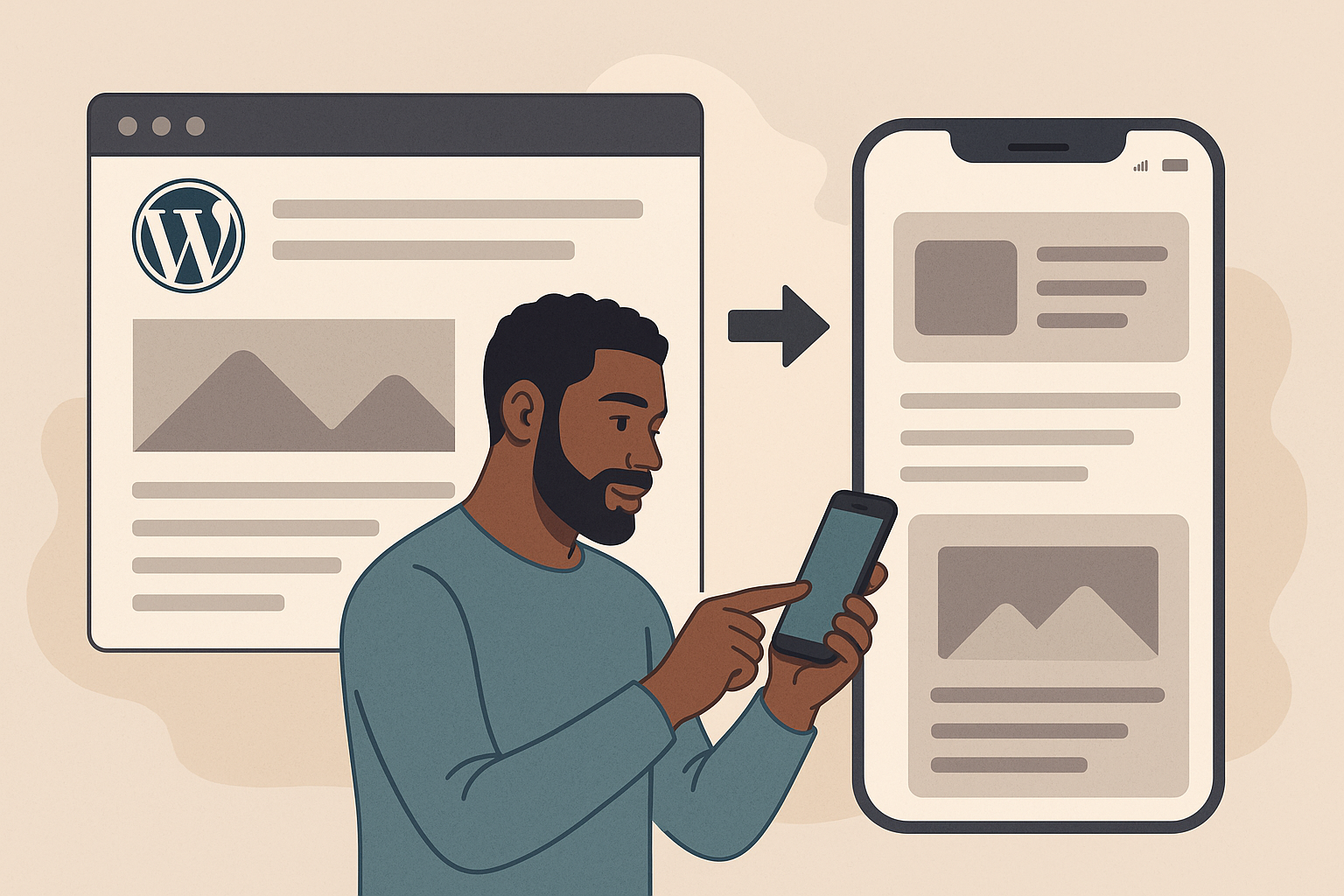
Yes, transitioning your WooCommerce store to a mobile-first, Progressive Web App (PWA) framework is the most effective way to capture modern mobile traffic. With global mobile commerce driving over 70% of all online retail sales, traditional responsive websites are no longer fast or engaging enough to maximize conversions.
A PWA transforms your standard WooCommerce website into an app-like experience that loads instantly, works offline, and installs directly onto a user’s home screen without passing through an app store.
The Impact of PWAs on WooCommerce Performance
- Instantaneous Loading (Under 1 Second): PWAs use service workers to pre-cache critical site assets. Instead of waiting for a traditional page reload, users experience immediate page transitions, lowering mobile bounce rates by up to 40%.
- Frictionless App Installation: Shoppers can add your store directly to their Android or iOS home screens via a simple browser prompt. This completely bypasses the friction, high development costs, and strict approval guidelines of the Apple App Store or Google Play Store.
- Push Notifications: You can send personalized push notifications directly to a user's mobile device—even when their browser is closed—yielding open rates that are 4x to 5x higher than traditional email marketing for abandoned carts and flash sales.
- Offline Shopping Capabilities: Customers can browse previously viewed products, view their cart, and review account settings entirely offline or on weak cellular networks.
How to Turn WooCommerce into a PWA
| Approach | Best For | Typical Setup | Key Advantage |
|---|---|---|---|
| PWA Plugins | Budget-conscious stores wanting a quick, code-free upgrade. | Installing dedicated plugins like Super PWA or PWA for WooCommerce. | Takes under 30 minutes to configure and deploy. |
| Headless Commerce | High-volume brands seeking ultimate speed and design freedom. | Decoupling the WooCommerce backend from a frontend built on modern frameworks (e.g., Next.js, Gatsby, or Vue Storefront). | Unmatched loading speeds and complete layout control. |
The Mobile-First Checklist for WooCommerce
Before deploying a PWA, ensure your core WooCommerce theme satisfies these essential mobile-first requirements:
- Thumb-Driven Navigation: Place critical interactive elements—like the "Add to Cart" button and the primary navigation menu—within easy reach of a user's thumb at the bottom of the screen.
- Streamlined Mobile Checkout: Eliminate unnecessary form fields. Implement one-click mobile payment gateways like Apple Pay, Google Pay, or Link by Stripe to minimize checkout abandonment.
- Sticky CTA Bars: Keep a persistent "Buy Now" or "Add to Cart" button anchored to the bottom of the viewport as users scroll through long product descriptions.
- Optimized Image Delivery: Utilize modern image formats like WebP or AVIF combined with aggressive lazy loading so large product galleries don't choke mobile bandwidth.
6. Why Do Sustainable and Green E-Commerce Practices Matter in 2025?
Eco-conscious consumers are demanding greener shopping options, making sustainability a priority for WooCommerce stores.
Sustainable E-Commerce Practices
- Use eco-friendly packaging and shipping methods.
- Partner with carbon-neutral hosting providers.
- Highlight sustainable product sourcing on product pages.
Tools for Sustainability
- Install the WooCommerce Carbon Offset plugin to calculate and neutralize emissions.
- Offer paperless invoices and digital receipts.
- Promote sustainable initiatives in marketing campaigns.
7. How Can Stores Maintain WooCommerce Security and Compliance in 2025?
Cybersecurity threats are increasing, making it essential to protect customer data and maintain regulatory compliance.
Security Measures for WooCommerce Stores
- Two-Factor Authentication (2FA): Adds extra security for login page.
- SSL Certificates: Encrypt data for secure transactions.
- Regular Updates: Keep WooCommerce and plugins up to date to prevent vulnerabilities.
Compliance Standards to Follow
- GDPR (General Data Protection Regulation): Protects EU customers' data privacy.
- CCPA (California Consumer Privacy Act): Ensures transparency in data collection.
- PCI DSS Compliance: Required for secure credit card transactions.
8. The Future of WooCommerce in 2026
The future of WooCommerce is driven by innovation, automation, and enhanced user experiences. To stay ahead, store owners must adopt emerging trends and continuously optimize their e-commerce strategies.
By embracing these WooCommerce trends for 2026, businesses can enhance their online stores, improve conversions, and stay ahead in the competitive e-commerce landscape.
Frequently Asked Questions (FAQ)
Is Headless Commerce Right for Every WooCommerce Store?
While headless commerce offers unmatched speed, customization, and multi-channel flexibility, it requires a higher development budget and ongoing technical support. Small-to-midsize stores with standard catalogs can often achieve high performance using lightweight WooCommerce themes, optimized caching, and modern block builders without completely decoupling their front end.
How Does AI Personalization Directly Improve WooCommerce Sales?
AI plugins analyze user browsing history, real-time cart contents, and purchase trends to deliver personalized product recommendations, dynamically display targeted discounts, and deploy automated chat support. This personalized experience reduces friction, increases average order value (AOV), and boosts overall checkout conversion rates.
What Is the Advantage of Adding a Subscription Model to WooCommerce?
Implementing subscription options creates predictable, recurring revenue streams and dramatically improves customer lifetime value (LTV). Using tools like the WooCommerce Subscriptions plugin allows store owners to sell physical product boxes, digital memberships, or recurring services with flexible billing cycles and automated payment renewals.
How Do Progressive Web Apps (PWAs) Enhance the Mobile Shopping Experience?
PWAs deliver an app-like experience directly within a mobile browser, featuring fast load times, offline browsing capability, and push notifications. Because over 60% of e-commerce traffic originates on mobile, deploying a PWA helps reduce drop-off rates and improves engagement without requiring customers to download a native app from an app store.
What Steps Should WooCommerce Merchants Take to Meet Sustainability Trends?
Merchants can adopt sustainable e-commerce practices by using eco-friendly packaging, offering paperless invoices, and partnering with carbon-neutral web hosting providers. Integrating plugins like the WooCommerce Carbon Offset tool also enables customers to neutralize shipping emissions at checkout, appealing directly to eco-conscious shoppers.
How Do Modern WooCommerce Stores Maintain GDPR and PCI DSS Compliance?
Compliance is achieved by pairing secure payment gateways (like Stripe or PayPal) with robust security protocols on the site. Store owners must enforce two-factor authentication (2FA) for admin access, install SSL certificates, maintain compliance with regulations like GDPR and CCPA through clear cookie consent banners, and keep all core files and plugins updated to prevent security breaches.
Conclusion
WooCommerce continues to evolve as a leading e-commerce solution, offering store owners the flexibility and power to create successful online businesses. By staying informed about emerging trends, integrating cutting-edge technologies, and optimizing WooCommerce for user experience, WooCommerce merchants can thrive in 2025 and beyond.
Take action today by implementing these trends and future-proofing your WooCommerce store for success!
About the Author

Brian Keary
Founder & Lead Developer
Brian is the founder of BKThemes with over 20 years of experience in web development. He specializes in WordPress, Shopify, and SEO optimization. A proud alumnus of the University of Wisconsin-Green Bay, Brian has been creating exceptional digital solutions since 2003.
Expertise
Writing since 2003