
Web scraping and data extraction have become indispensable tools for SEO professionals. By automating the process of gathering data from websites, these techniques allow marketers to analyze trends, track competitors, and identify opportunities for improvement. However, web scraping also raises ethical and legal questions, making it essential to approach this strategy responsibly. This guide explores how web scraping can enhance your SEO efforts and outlines best practices to ensure compliance and success.
What is Web Scraping for SEO?
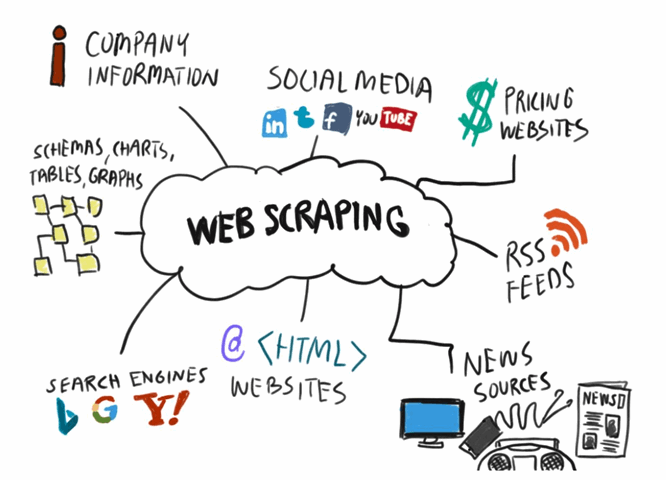
Web scraping for SEO is the process of using automated tools or scripts to extract data from websites. This data can include everything from keyword rankings and backlink profiles to competitor pricing and customer reviews. By collecting and analyzing this information, businesses can make data-driven decisions to improve their online visibility and performance.
What are the Benefits of Web Scraping for SEO?
Web scraping for SEO provides actionable data that improves keyword research, competitor analysis, and SERP monitoring accuracy.
1. Keyword Research
Web scraping tools can gather keyword data from search engine results pages (SERPs), helping you identify high-performing terms and Long-Tail Keywords for Evergreen Content that resonate with your target audience.
2. Competitor Analysis
Scraping competitor websites can reveal insights into their content strategies, backlink profiles, and ranking keywords, allowing you to refine your own SEO tactics.
3. Content Optimization
By analyzing top-ranking pages, you can extract data on meta tags, headings, and content length to identify patterns and optimize your own content.
4. Backlink Opportunities
Web scraping helps identify websites linking to your competitors, giving you potential backlink opportunities to boost your own domain authority.
5. SERP Monitoring
Regularly scraping SERPs allows you to track your rankings, monitor featured snippets, and stay informed about algorithm updates that affect your position.
What are Some Tools for Web Scraping?
Top web scraping tools vary by technical skill level and project goals, ranging from AI-driven APIs to simple no-code extensions and custom developer frameworks.
AI-Native and Modern APIs
- Firecrawl: An AI-native tool that turns websites into LLM-ready markdown using a single API for crawling, searching, and scraping.
- Crawl4AI: An open-source Python crawler built for clean data extraction and LLM pipelines.
No-Code and Visual Tools
- Octoparse: A popular visual desktop app with pre-built templates for scraping data without writing code.
- Browse AI: A browser-based tool best used for automated website monitoring and simple extractions.
- ParseHub: A free visual scraper well-suited for beginners handling smaller jobs.
Developer Frameworks and Libraries
- Beautiful Soup: A lightweight Python library paired with HTTP requests to parse static HTML pages.
- Scrapy: A powerful, asynchronous Python framework designed for large-scale and high-speed web crawling.
- Playwright / Puppeteer: Browser automation tools used to interact with dynamic, JavaScript-heavy web pages.
Enterprise and Proxy Scale
- Bright Data: A large-scale enterprise platform offering proxy networks and infrastructure to handle heavy anti-bot protections.
- Apify: A cloud platform providing ready-made scrapers (Actors) alongside tools to run custom automation workflows.
What are the Ethical and Legal Considerations of Web Scraping for SEO?
While web scraping can provide valuable insights, it's crucial to follow ethical guidelines and respect legal boundaries to avoid potential penalties.
Respect Robots.txt
Many websites include a robots.txt file that specifies which parts of the site can or cannot be scraped. Always check and adhere to these directives.
Avoid Overloading Servers
Scraping too frequently or sending excessive requests can overwhelm a server, potentially causing downtime. Use rate limits and avoid disruptive behavior.
Seek Permission
Whenever possible, reach out to website owners to request permission for data scraping. This can help establish trust and prevent legal issues.
Protect User Data
Ensure that your data extraction activities do not compromise user privacy or violate data protection regulations such as GDPR or CCPA.
What are the Challenges of Web Scraping for SEO?
1. Dynamic Content
Many modern websites use JavaScript to load content dynamically, making it more challenging to extract data with traditional scraping tools.
2. CAPTCHAs and Bot Detection
Websites often implement CAPTCHAs or other anti-bot measures to prevent automated scraping, requiring advanced techniques to bypass.
3. Data Cleaning
Scraped data often contains inconsistencies or unnecessary information, requiring additional effort to clean and format it for analysis.
4. Legal Risks
Non-compliance with website terms of service or data protection laws can result in legal action, fines, or other penalties.
What are the Best Practices for Web Scraping?
Following web scraping best practices ensures your data collection is legal, ethical, and reliable, while protecting you from being blocked.
Use Reliable Tools
Choose tools that are well-supported and capable of handling complex scraping tasks while respecting website rules.
Set Rate Limits
Avoid sending too many requests in a short period. Implement rate limits to prevent overloading servers and triggering anti-bot measures.
Focus on Publicly Available Data
Scrape only publicly accessible information and avoid extracting sensitive or proprietary content.
Monitor Changes
Websites frequently update their structures, which can break your scraping workflows. Regularly monitor and adapt your scripts to accommodate changes.
What are the Alternatives to Web Scraping for SEO?
For those who wish to avoid the complexities and risks of web scraping, consider these alternatives:
Use APIs
Many platforms, such as Google, Ahrefs, and SEMrush, offer APIs that provide structured access to data without violating terms of service.
Manual Research
While time-consuming, manual research can be effective for smaller-scale projects or when scraping is not feasible.
Third-Party Tools
Leverage SEO tools that aggregate and analyze data for you, eliminating the need for custom scraping workflows.
Use a Agency for SEO Needs
You can always get a monthly SEO package from a 5-star certified digital agency that truly understand all the little nuances most newer professionals lack.
Conclusion
Web scraping and data extraction are powerful techniques for enhancing your SEO strategy. From competitor analysis to keyword research, these methods provide insights that can drive better decision-making and improve search engine rankings. However, it's essential to approach web scraping responsibly, respecting ethical and legal considerations. By using the right tools, following best practices, and exploring alternatives when necessary, you can harness the power of data to achieve your SEO goals.
About the Author

Brian Keary
Founder & Lead Developer
Brian is the founder of BKThemes with over 20 years of experience in web development. He specializes in WordPress, Shopify, and SEO optimization. A proud alumnus of the University of Wisconsin-Green Bay, Brian has been creating exceptional digital solutions since 2003.
Expertise
Writing since 2003