
Did you know that 75% of consumers judge a company's credibility based on its website design? That’s a staggering figure, isn't it? In today's digital landscape, your website is more than just an online brochure; it's your digital storefront, your brand ambassador, and often, the first impression you make. For businesses, both big and small, a robust, user-friendly, and visually appealing website is non-negotiable. This is where web development services step onto the stage, transforming your digital aspirations into a tangible, functional reality.
But what exactly are web development services, and why should you care? Think of it as the intricate process of building and maintaining websites. It’s a multifaceted discipline involving everything from the initial design and coding to ongoing updates and security. It’s about crafting an online experience that not only looks good but also works flawlessly, driving engagement and achieving your specific business objectives. Whether you’re a startup dreaming of your first online presence or an established enterprise looking to revamp your digital strategy, understanding the scope and value of these services is paramount. We’ll be exploring the nitty-gritty, demystifying the jargon, and helping you navigate the world of professional web development.
Who This Is For
This comprehensive guide is designed for a broad audience, but primarily for:
- Business Owners and Entrepreneurs: If you're looking to establish or enhance your online presence, this article will clarify how professional web development can be a game-changer for your brand.
- Marketing Professionals: Understanding the technical backbone of websites is crucial for effective digital marketing campaigns. This resource will equip you with the knowledge to collaborate better with development teams.
- Individuals Considering a New Website or Redesign: If you're feeling overwhelmed by the prospect of building a website from scratch or updating an existing one, this article breaks down the essential services and considerations.
- Tech Enthusiasts and Aspiring Developers: While not a technical deep-dive into coding, this article provides a foundational understanding of the web development industry and its various specializations.
Who This Is NOT For
While we aim for broad appeal, this article might not be the best fit for:
- Experienced Web Developers: You likely already possess a deep understanding of the concepts discussed. This is more of a foundational overview than an advanced technical manual.
- Those Seeking Specific Coding Tutorials: This article focuses on the services and strategy behind web development, not step-by-step coding instructions.
- Individuals Uninterested in Online Business or Digital Presence: If the internet and websites aren't central to your goals, this topic might not resonate.
The Pillars of Web Development: Front-End, Back-End, and Full-Stack
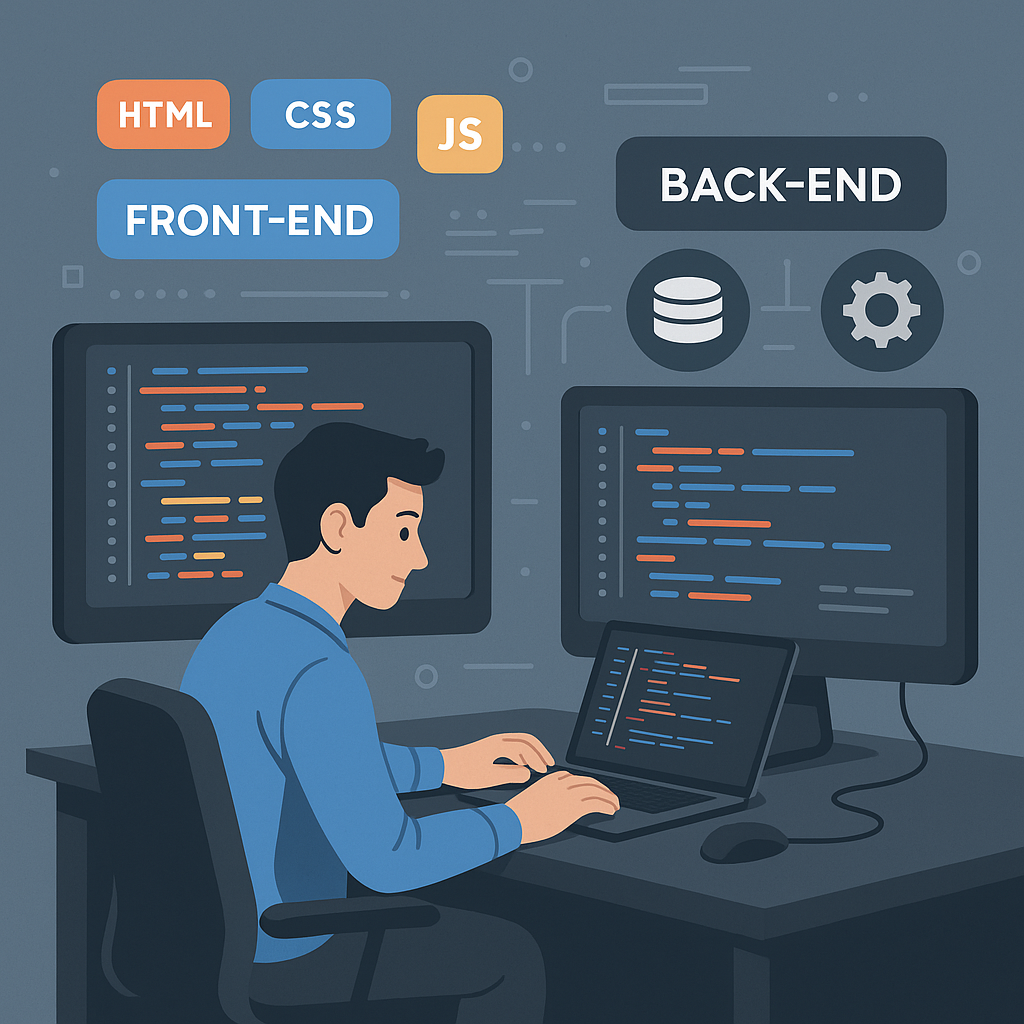
To truly grasp the value of web development services, it’s helpful to understand the core components of how a website is built. Imagine a restaurant: the front-end is the dining area – what the customer sees and interacts with. The back-end is the kitchen – where the magic happens behind the scenes.
Front-End Development: Crafting the User Experience
Front-end development is all about what the user sees and interacts with directly in their browser. It’s the visual appeal, the layout, the buttons you click, and the text you read. It’s the art and science of making a website intuitive, engaging, and aesthetically pleasing. Think of it as the architect and interior designer of your digital space.
Key technologies and skills involved include:
- HTML (HyperText Markup Language): The fundamental building block, providing the structure and content of web pages. It’s like the skeleton of your website.
- CSS (Cascading Style Sheets): This controls the presentation, styling, and layout. Colors, fonts, spacing, and responsiveness across different devices are all managed by CSS. It’s the paint, furniture, and decor.
- JavaScript: This brings interactivity and dynamic behavior to a website. Think animations, pop-up forms, and real-time updates. It’s the interactive elements that make the space come alive.
Front-end developers ensure your website is not only beautiful but also accessible and functional across various devices and browsers (like Chrome, Firefox, Safari). They focus on user interface (UI) and user experience (UX) design principles, aiming to make navigation seamless and enjoyable. A well-executed front-end can significantly reduce bounce rates and increase time spent on site.
Back-End Development: The Engine Room of Your Website
If the front-end is the stage, the back-end development is everything happening backstage that makes the show run smoothly. It’s the server, the application logic, and the databases that power the website's functionality. Users don't see it, but without it, a website is just a static display.
This involves:
- Server-Side Languages: Languages like Python, Ruby, Java, PHP, and Node.js are used to build the core logic of the application. They handle requests, process data, and communicate with the database.
- Databases: This is where your website's data is stored – user information, product details, blog posts, etc. Popular choices include MySQL, PostgreSQL, MongoDB, and SQL Server.
- APIs (Application Programming Interfaces): These act as messengers, allowing different software components to communicate with each other.
Back-end developers ensure data is managed efficiently, security protocols are robust, and the website performs optimally under various loads. They are the engineers ensuring your website’s infrastructure is solid and scalable.
Full-Stack Development: The Jack-of-All-Trades
A full-stack developer possesses expertise in both front-end and back-end development. They understand the entire ecosystem of a web application, from the user interface to the server and database. This holistic understanding can be incredibly valuable, especially for smaller projects or startups, as a single developer can manage multiple aspects of the build. However, for larger, more complex projects, specialized teams often yield better results.
Types of Web Development Services Offered
Professional web development agencies and freelancers offer a spectrum of services tailored to different needs. Understanding these can help you pinpoint what your business requires.
Custom Website Design and Development
This is the gold standard for businesses wanting a unique online identity. Custom web development means building a website from the ground up, precisely tailored to your brand, functionality requirements, and target audience. No templates, no compromises.
- Benefits:
- Unique brand representation.
- Tailored functionality to meet specific business needs.
- Optimized performance and scalability.
- Enhanced security features.
- Considerations:
- Typically higher initial cost and longer development time compared to template-based solutions.
E-commerce Development
For businesses selling products or services online, a robust e-commerce platform is essential. This involves building secure, user-friendly online stores with features like product catalogs, shopping carts, payment gateway integration, and order management systems.
- Platforms: Services often include expertise in platforms like Shopify, WooCommerce (for WordPress), Magento, or custom-built solutions.
- Key Features: Secure checkout processes, inventory management, customer accounts, promotional tools, and SEO optimization for product pages.
Content Management System (CMS) Development
A Content Management System (CMS) allows you to easily manage and update your website's content without needing technical expertise. WordPress, Drupal, and Joomla are popular examples.
- Services:
- CMS installation and configuration.
- Custom theme development.
- Plugin integration and custom plugin development.
- Ongoing CMS maintenance and security.
- Value: Empowers non-technical users to update blogs, add products, or change text, making website management more agile.
Website Redesign and Modernization
Is your current website looking dated, performing poorly, or failing to convert visitors? A website redesign can breathe new life into your online presence. This service involves analyzing your existing site, identifying weaknesses, and implementing a modern, strategic overhaul.
- Focus Areas:
- Updating the visual design to align with current branding.
- Improving user experience and navigation.
- Enhancing mobile responsiveness.
- Optimizing for speed and search engines.
- Integrating new features or functionalities.
Web Application Development
Beyond standard websites, web application development focuses on creating complex, interactive software that runs in a web browser. Think online banking portals, project management tools, or social networking platforms.
- Scope: Involves intricate logic, database management, user authentication, and often integration with other systems.
Maintenance and Support Services
Launching a website is just the beginning. Ongoing maintenance and support are crucial for security, performance, and relevance.
- Includes:
- Regular backups.
- Software updates (CMS, plugins, themes).
- Security monitoring and patching.
- Performance optimization.
- Bug fixing.
- Content updates.
The Process: What to Expect When Hiring Web Development Services
Engaging a professional web development team typically follows a structured process, ensuring clarity and alignment from start to finish. While methodologies may vary slightly, the core stages remain consistent.
Discovery and Planning
This initial phase is all about understanding your vision. A good development team will ask in-depth questions about your business, goals, target audience, competitors, and desired features.
- Activities: Market research, competitor analysis, defining project scope, creating sitemaps, user flow mapping, and technology stack selection.
- Outcome: A detailed project plan, wireframes, and potentially initial mockups.
Design Phase
Here, the visual identity of your website takes shape. Designers translate the project plan and wireframes into high-fidelity mockups and prototypes, focusing on aesthetics, user interface (UI), and user experience (UX).
- Focus: Branding consistency, intuitive navigation, visual appeal, and mobile-first design principles.
- Client Input: This stage involves significant client feedback and revisions to ensure the design meets expectations.
Development Phase
This is where the actual coding happens. Front-end and back-end developers bring the designs to life, building the structure, functionality, and interactivity of the website.
- Activities:
- Front-end coding (HTML, CSS, JavaScript).
- Back-end development (server logic, database integration).
- CMS setup and customization.
- API integrations.
- Milestones: Regular progress updates and potentially staging environments for client review.
Testing and Quality Assurance (QA)
Before launch, rigorous testing is essential. QA professionals meticulously check for bugs, usability issues, performance bottlenecks, and cross-browser/device compatibility.
- Checks: Functionality testing, performance testing, security testing, usability testing, and compatibility testing.
- Goal: Ensure a flawless user experience and a stable, secure website.
Deployment and Launch
Once testing is complete and approved, the website is deployed to the live server. This phase involves migrating all files and databases and making the site accessible to the public.
- Considerations: Domain name configuration, server setup, and final checks.
Post-Launch Support and Maintenance
The relationship doesn't end at launch. Ongoing support ensures your website remains secure, up-to-date, and performing optimally.
- Services: As outlined in the "Maintenance and Support" section.
Choosing the Right Web Development Partner
Selecting the right agency or freelancer is as critical as the development process itself. It’s about finding a partner who understands your vision and has the technical prowess to execute it.
Key Factors to Consider:
- Portfolio and Experience: Review their past projects. Do they align with your industry or project type? Does their work showcase creativity, functionality, and attention to detail? Look for examples that demonstrate problem-solving.
- Technical Expertise: Do they specialize in the technologies relevant to your project (e.g., specific CMS platforms, programming languages)?
- Communication and Collaboration: How do they communicate? Are they responsive, transparent, and do they listen to your needs? A good working relationship is vital.
- Understanding of Your Business Goals: A great partner goes beyond just building a website; they strive to understand your business objectives and how the website can help achieve them.
- Pricing and Value: Compare quotes, but don't just choose the cheapest option. Consider the value, expertise, and long-term support offered. Understand what's included in their pricing structure.
- Client Testimonials and Reviews: What do their previous clients say? Look for consistent positive feedback regarding reliability, quality, and customer service.
- Process and Methodology: Do they have a clear, structured process? Understanding their workflow can give you confidence in their ability to deliver.
In-House vs. Agency vs. Freelancer
- In-House Team: Offers maximum control and integration but requires significant investment in salaries, benefits, and training. Best suited for large organizations with ongoing, complex web needs.
- Web Development Agency: Provides a full spectrum of expertise (design, development, project management, QA). Offers scalability and a team approach. Can be more expensive than freelancers but often provides a more comprehensive service and stability.
- Freelancer: Can be a cost-effective option, especially for smaller projects. Offers flexibility. However, reliance on a single individual can pose risks regarding availability and breadth of skill. Thorough vetting is crucial.
The Importance of Mobile Responsiveness
In 2023, over half of all web traffic comes from mobile devices. If your website isn't optimized for smartphones and tablets, you're effectively shutting the door on a massive segment of your potential audience. Mobile responsiveness ensures your website adapts its layout, images, and content to fit any screen size seamlessly. This isn't just about aesthetics; it's a critical factor for user experience and search engine rankings. Google prioritizes mobile-friendly websites in its search results. Professional web development services always prioritize a mobile-first or responsive design approach.
SEO Integration: Building for Visibility
A beautiful, functional website is useless if no one can find it. Search Engine Optimization (SEO) is the practice of improving your website's visibility in search engine results (like Google). While SEO is an ongoing effort, foundational SEO principles should be integrated during the development process.
- Development Considerations for SEO:
- Clean, semantic HTML structure.
- Fast loading speeds (optimized images, efficient code).
- Mobile-friendliness.
- Proper use of headings (H1, H2, etc.).
- URL structure.
- Schema markup implementation.
- Services: Some development teams offer integrated SEO services, while others focus purely on the build, requiring a separate SEO specialist.
Security: Protecting Your Digital Assets
Website security is non-negotiable. A breach can lead to data loss, reputational damage, and financial penalties. Reputable web development services incorporate security best practices from the outset.
- Key Security Measures:
- Secure coding practices (preventing common vulnerabilities like SQL injection and XSS).
- Use of SSL certificates (HTTPS).
- Regular security audits and updates.
- Secure hosting environments.
- Implementing firewalls and malware scanning.
Mistakes to Avoid When Hiring Web Development Services
Navigating the world of web development can be tricky. Here are common pitfalls to steer clear of:
- Focusing Solely on Price: The cheapest option often comes with hidden costs or compromised quality. Prioritize value and expertise.
- Vague Project Scope: Unclear requirements lead to miscommunication, delays, and budget overruns. Invest time in detailed planning.
- Ignoring Mobile Responsiveness: As mentioned, this is a critical oversight that can cripple your online reach.
- Skipping Thorough Testing: Launching a buggy website damages credibility. Allocate sufficient time and resources for QA.
- Underestimating Maintenance: A website is a living entity that requires ongoing care. Factor in maintenance costs and plans.
- Not Checking References: Failing to vet potential developers or agencies can lead to a poor fit and unsatisfactory results.
- Lack of Clear Communication Channels: Ensure you establish how and when communication will happen. Misunderstandings can fester without clear dialogue.
- Choosing a "Jack-of-all-trades" for Highly Specialized Needs: If you need complex e-commerce functionality, don't hire a generalist who has never built an online store. Look for specific experience.
The Future of Web Development
The digital landscape is constantly evolving. Web development services must adapt to emerging trends like:
- Artificial Intelligence (AI) and Machine Learning (ML): Powering personalized user experiences, chatbots, and data analysis.
- Progressive Web Apps (PWAs): Offering app-like experiences directly through the browser.
- Voice Search Optimization: Adapting content and structure for voice queries.
- Enhanced Cybersecurity: With increasing threats, security remains a paramount concern.
- Low-Code/No-Code Platforms: While not replacing traditional development, these tools are democratizing website creation for simpler needs.
Choosing a development partner that stays abreast of these trends ensures your website remains competitive and future-proof.
Actionable Checklist for Your Web Development Project
To ensure your project runs smoothly, use this checklist:
Phase 1: Preparation & Planning
- Clearly define your website's goals (e.g., lead generation, sales, brand awareness).
- Identify your target audience.
- Research your competitors' websites.
- Outline the essential features and functionalities your website needs.
- Determine your budget.
- Create a list of potential web development partners.
Phase 2: Selecting a Partner
- Review portfolios and case studies.
- Check client testimonials and reviews.
- Schedule introductory calls to assess communication style.
- Discuss their process and timeline.
- Request detailed proposals and compare pricing for value.
- Ask about their approach to mobile responsiveness and SEO.
- Clarify post-launch support and maintenance options.
Phase 3: Project Execution
- Participate actively in the discovery and planning phase.
- Provide timely feedback during the design and development stages.
- Clearly communicate any changes or new requirements.
- Review wireframes, mockups, and development builds promptly.
- Ensure security measures are discussed and implemented.
Phase 4: Launch & Beyond
- Participate in User Acceptance Testing (UAT).
- Confirm launch details and go-live plan.
- Understand the maintenance and support plan.
- Discuss ongoing optimization and potential future enhancements.
Conclusion
In the bustling digital marketplace, your website is your most crucial asset. Web development services are the architects and builders who transform your online vision into a powerful, functional tool for business growth. From crafting intuitive user experiences with front-end finesse to building robust, secure back-end systems, professional development ensures your online presence is not just present, but impactful. By understanding the different facets of web development, the process involved, and how to choose the right partner, you can confidently embark on a journey to create a website that truly resonates with your audience and drives your business forward. Don't let a subpar website hold you back; invest in expert web development and unlock your true online potential.
Frequently Asked Questions (FAQs)
About the Author

Brian Keary
Founder & Lead Developer
Brian is the founder of BKThemes with over 20 years of experience in web development. He specializes in WordPress, Shopify, and SEO optimization. A proud alumnus of the University of Wisconsin-Green Bay, Brian has been creating exceptional digital solutions since 2003.
Expertise
Writing since 2003