Did you know that search queries containing three or more words, often referred to as "long tail keywords," account for a staggering 70% of all online searches in 2026? See Top 20 Search Intent Stats for 2026 for more information. This is a goldmine for businesses aiming to climb the search engine results pages (SERPs). Ignoring these specific, often niche phrases means leaving a significant portion of potential customers on the table. Understanding and strategically implementing long tail keywords is no longer an option; it's a fundamental pillar of a successful SEO strategy.
Who This Article Is For
This guide is tailor-made for website owners, content creators, digital marketers, and small business owners who are looking to refine their SEO efforts and attract more qualified traffic. If you're feeling lost in the vast ocean of online competition and struggling to connect with the right audience, this article will serve as your compass. It's for those who understand that simply ranking for broad, competitive terms might not be enough. We're talking about individuals who are ready to dive deeper, uncover hidden opportunities, and implement a more nuanced approach to keyword research. Whether you're managing a blog, an e-commerce store, or a service-based business, the principles discussed here will empower you to target users with genuine intent.
Who This Article Is NOT For
This article isn't for those seeking a magic bullet or a quick fix for their SEO woes. If you're expecting to rank number one overnight for highly competitive, head terms without a robust strategy, you'll likely be disappointed. This content is also not intended for advanced SEO professionals who already have a deep, established understanding of long tail keyword implementation and are looking for highly technical, esoteric strategies. We're aiming for clarity and actionable advice for a broad audience looking to significantly improve their search visibility. If you're not willing to put in the effort to research, create, and optimize content around specific user needs, this guide might feel like too much work.
SEO that moves rankings
Want help turning SEO traffic into leads, not just pretty reports?
This post is in SEO, so here’s the most relevant next step if you want help applying it.
We build practical SEO systems around content, technical fixes, internal links, and conversion intent so rankings actually help the business.
- Technical SEO, on-page improvements, and content strategy
- Local SEO, link building, and entity-focused optimization
- Clear execution instead of vague SEO theater
The Power of Specificity: Understanding Long Tail Keywords
So, what exactly are these elusive long tail keywords? Think of them as the highly specific, often multi-word phrases that users type into search engines when they have a clear idea of what they're looking for. While broad keywords like "shoes" might attract a massive, but unfocused, audience, a long tail keyword like "men's waterproof trail running shoes size 10" speaks to a user with a very defined need. This specificity is where the magic happens.
These longer, more descriptive phrases typically have lower search volume individually. However, when you aggregate all the unique long tail variations, they collectively represent a significant chunk of search traffic. More importantly, users employing these terms are often further down the sales funnel. They're not just browsing; they're often looking to make a purchase or find a very specific solution. Imagine someone searching for "best vegan gluten-free protein powder for athletes" versus someone just searching "protein powder." The former has a much clearer intent.
The beauty of long tail keywords lies in their ability to connect you with highly motivated searchers. Because they are so specific, the competition for these terms is generally much lower than for broader, more generic keywords. This makes it significantly easier for your content to rank higher in the search results, driving targeted traffic to your site. This targeted traffic is more likely to convert into leads, customers, or whatever your desired outcome may be.
Why Long Tail Keywords Are Your SEO Secret Weapon
In the bustling marketplace of the internet, trying to compete solely on broad keywords is like shouting into a hurricane. You might be making noise, but are you being heard by the right people? Long tail keywords offer a quieter, more effective approach. They allow you to carve out your niche and become the go-to resource for a very specific set of user needs.
Lower Competition, Higher Rankings
As mentioned, the competition for long tail keywords is typically far less intense. This is a crucial advantage. Search engines like Google aim to provide the most relevant results for any given query. When your content precisely matches a long tail keyword, you’re signaling to Google that you are the ideal answer. This increased relevance, combined with lower competition, dramatically improves your chances of achieving a top ranking. This isn't just about getting found; it's about getting found by people who are genuinely interested in what you offer.
Higher Conversion Rates
This is perhaps the most compelling reason to embrace long tail keywords. Users who type in specific phrases are usually further along in their buyer's journey. They've likely done their initial research and are now looking for specific products, services, or solutions. For instance, a search for "how to fix a leaky faucet washer" indicates a user ready to tackle a DIY repair, whereas "plumber near me" suggests someone needing immediate professional assistance. By targeting these intent-driven queries, you attract visitors who are more likely to convert. They’ve already self-selected based on their specific need, making them prime candidates for your offerings.
Building Authority and Trust
Consistently creating high-quality content that answers specific long tail queries helps establish your website as an authority in your niche. When users find the precise information they need on your site, they begin to trust your expertise. This trust can lead to repeat visits, brand loyalty, and valuable backlinks from other sites recognizing your in-depth knowledge. Think of it as building a reputation one highly specific answer at a time.
Understanding Your Audience Better
The process of identifying and targeting long tail keywords often reveals valuable insights into your audience's needs, pain points, and language. What specific questions are they asking? What problems are they trying to solve? Analyzing the long tail keywords that bring traffic to your site can inform your content strategy, product development, and overall marketing efforts. It's like getting a direct line into the mind of your ideal customer.
Finding Your Long Tail Keywords: Tools and Techniques
Now that we understand why long tail keywords are crucial, let's explore how to find them. This is where the real detective work begins. Fortunately, a variety of tools and methods can assist you.
Keyword Research Tools
Several powerful tools can help you uncover long tail keyword opportunities.
- Google Keyword Planner: While primarily designed for Google Ads, this free tool can provide keyword ideas and search volume estimates. Look for lower-volume, highly specific phrases.
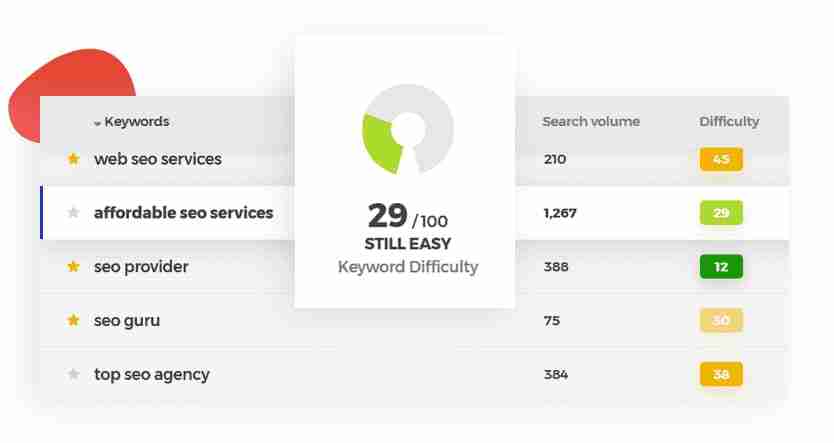
- SEMrush and Ahrefs: These comprehensive SEO suites offer robust keyword research capabilities. They can reveal keyword suggestions, analyze competitor keywords, and provide metrics like search volume, keyword difficulty, and cost-per-click (CPC). Their data is invaluable for identifying untapped long tail gems.
- AnswerThePublic: This visual tool maps out questions, prepositions, comparisons, and alphabetical lists related to your seed keyword. It’s fantastic for understanding the specific questions your audience is asking.
- AlsoAsked: Similar to AnswerThePublic, this tool shows you "People Also Ask" data from Google, giving you direct insight into related queries.
- Google Search Itself: Don't underestimate the power of Google's own features.
- Autocomplete: Start typing a broad keyword into Google, and observe the suggestions that appear. These are often popular long tail variations.
- "People Also Ask" (PAA) Boxes: These boxes in Google's search results highlight related questions. Clicking on a question often reveals more.
- Related Searches: Scroll to the bottom of the search results page, and you'll find a list of "Related Searches." These are often excellent sources of long tail keywords.
Brainstorming and Competitor Analysis
Beyond tools, consider these methods:
- Customer Feedback: What questions do your customers frequently ask via email, phone, or social media? These are often direct indicators of long tail keywords.
- Forums and Q&A Sites: Platforms like Reddit, Quora, and industry-specific forums are treasure troves of user questions and discussions. Search for topics related to your niche and identify the specific language people use.
- Competitor Analysis: See what keywords your competitors are ranking for, especially those with lower competition and higher relevance. Tools like SEMrush and Ahrefs excel at this. You can learn a lot by Unlocking seo gold essential tools for finding long tail keywords.
Example Keyword Research Process:
Let's say you run a small bakery specializing in custom cakes.
- Seed Keyword: "custom cakes"
- Google Autocomplete: "custom cakes near me," "custom cakes birthday," "custom cakes wedding," "custom cakes online delivery"
- AnswerThePublic: Questions like "How much do custom cakes cost?", "Where to buy custom cakes?", "What are custom cake flavors?"
- Related Searches: "custom birthday cakes for kids," "custom wedding cakes prices," "order custom cake online."
- Combining & Refining: This leads to long tail keywords like "custom dinosaur birthday cake for 5 year old boy," "gluten-free vegan wedding cake delivery [your city]," "order custom cake online chocolate ganache."
These refined keywords are far more specific and likely to attract users with immediate purchase intent. You can find more detailed strategies in guides like Unlocking seo success the definitive guide to long tail keywords.
Integrating Long Tail Keywords into Your Content Strategy
Finding the keywords is only half the battle. The real work lies in effectively weaving them into your website's content.
Blog Posts and Articles
Blog posts are a natural fit for long tail keywords. Create content that directly answers specific questions or addresses niche topics identified during your keyword research.
- "How-to" Guides: These are perfect for long tail keywords that start with "how to." For instance, if you sell craft supplies, a post titled "How to Make a Macrame Plant Hanger for Beginners" targets a very specific audience.
- Listicles: "Top 10" or "5 Best" lists can incorporate long tail keywords effectively. "5 Best Lightweight Hiking Boots for Wide Feet" is a great example.
- Product/Service Deep Dives: Instead of a generic product page, create detailed articles about specific use cases or benefits. For a software company, this might be "Using [Software Name] for Automated Social Media Scheduling in 2026."
- Problem/Solution Content: Address specific pain points your audience experiences. "Solving Common WordPress Plugin Conflicts" targets a specific technical issue.
Product Pages and Service Descriptions
Don't limit long tail keywords to blog content. Optimize your product and service pages too.
- Product Titles and Descriptions: Instead of "Blue Widget," use "Durable Blue Widget with Enhanced Grip for Outdoor Use." Be descriptive and incorporate keywords naturally.
- Service Pages: If you offer web design, instead of a general page, create specific pages like "Affordable E-commerce Website Design for Small Businesses" or "Fast Shopify Store Optimization Services." This aligns with the principle of Why Your Fast Shopify Store Still Isn't Ranking.
Website Copy and Meta Descriptions
Ensure your core website copy also reflects your long tail strategy. Use these keywords in headings, subheadings, and body text where relevant and natural. Your meta descriptions should also be compelling and include your primary target long tail keyword to encourage click-throughs from the SERPs.
Content Formatting for Readability and SEO
When creating content around long tail keywords, remember that readability is key for both users and search engines.
- Use Headings and Subheadings (H2, H3, H4): Break up your content logically. Incorporate your target long tail keywords naturally within these headings.
- Short Paragraphs: Aim for paragraphs of 2-4 sentences. This improves readability on all devices.
- Bullet Points and Numbered Lists: Use these to present information concisely and make it scannable.
- Internal Linking: Link relevant content together. For example, a blog post about "choosing the right running shoes" could link to a product page for "men's marathon running shoes." This helps search engines understand your site structure and passes authority. Consider exploring Best Link Building Tools for SMBs: Boost SEO & Rankings for broader SEO strategies.
- Images and Alt Text: Optimize images with descriptive alt text that includes relevant long tail keywords.
Measuring Your Long Tail Keyword Success
How do you know if your long tail keyword strategy is paying off? By tracking the right metrics.
- Organic Traffic: Monitor the increase in organic traffic to pages optimized for long tail keywords.
- Keyword Rankings: Use SEO tools to track your rankings for specific long tail keywords. Look for improvements over time.
- Conversion Rates: Track conversions (sales, leads, sign-ups) specifically from organic traffic arriving via long tail keywords. Are these visitors more likely to convert than those arriving from broader terms?
- Bounce Rate and Time on Page: A lower bounce rate and higher time on page for content targeting long tail keywords can indicate that users are finding the information they need and are engaged.
- Search Console Data: Google Search Console provides invaluable data on which queries are driving impressions and clicks to your site. Analyze this data for long tail opportunities and performance.
Mistakes to Avoid
Even with the best intentions, pitfalls exist. Steer clear of these common errors:
- Keyword Stuffing: Jamming keywords unnaturally into your content is a surefire way to harm your SEO. Write for humans first, search engines second.
- Ignoring User Intent: Don't just target a keyword because it's long tail. Ensure the keyword aligns with what a user searching for that phrase would actually expect to find. A mismatch in intent leads to a poor user experience.
- Neglecting Existing Content: You don't always need to create new content. Revisit and optimize existing pages with relevant long tail keywords. This is a form of content refreshing and can yield great results.
- Over-Reliance on Tools: Tools are helpful, but they don't replace common sense and understanding your audience. Use tools as a guide, not a dictator.
- Not Tracking Results: If you're not measuring, you're flying blind. Consistently monitor your performance to understand what's working and what's not.
- Forgetting About User Experience: Even if you rank for a long tail keyword, a poorly designed or slow-loading page will drive users away. Focus on creating a seamless user journey. Excellent user experience is crucial for How to Elevate Small Business Branding with User Experience.
Long Tail Keywords vs. Short Tail Keywords: A Comparison
To solidify understanding, let's compare long tail and short tail keywords directly.
| Feature | Short Tail Keywords (e.g., "shoes") | Long Tail Keywords (e.g., "women's black leather ankle boots size 7") |
|---|---|---|
| Length | 1-2 words | 3+ words |
| Search Volume | High | Low (individually) |
| Competition | Very High | Low to Moderate |
| User Intent | Broad, often informational or navigational | Specific, often transactional or highly informational |
| Conversion Rate | Lower | Higher |
| Content Focus | Broad topics, general information | Niche topics, specific questions, detailed solutions |
| SEO Difficulty | High | Lower |
| Example | "marketing" | "digital marketing strategies for small businesses in 2026" |
Actionable Checklist for Long Tail Keyword Success
Ready to put this into practice? Follow this checklist:
Phase 1: Research & Planning
- Define your core business offerings and target audience.
- Brainstorm initial seed keywords related to your niche.
- Utilize keyword research tools (Google Keyword Planner, SEMrush, Ahrefs, etc.) to find long tail variations.
- Explore Google Autocomplete, "People Also Ask," and "Related Searches" for more ideas.
- Analyze forums, Q&A sites (Reddit, Quora), and customer feedback for user language and questions.
- Identify competitor keywords and analyze their long tail strategy.
- Prioritize long tail keywords based on relevance, search volume (consider aggregate volume), and achievable difficulty.
- Group related long tail keywords into topic clusters.
Phase 2: Content Creation & Optimization
- Create new blog posts, articles, or guides specifically targeting identified long tail keywords.
- Optimize existing content by incorporating relevant long tail keywords naturally.
- Update product page titles, descriptions, and service page copy with long tail keywords.
- Use long tail keywords strategically in headings (H1, H2, H3), body text, and meta descriptions.
- Ensure content is comprehensive, valuable, and directly addresses user intent.
- Improve content readability with short paragraphs, bullet points, and clear formatting.
- Implement internal linking to connect related content and distribute link equity.
- Optimize images with descriptive alt text that includes relevant keywords.
Phase 3: Monitoring & Refinement
- Set up tracking for organic traffic and keyword rankings.
- Monitor conversion rates for traffic arriving via long tail keywords.
- Analyze Google Search Console data for query performance.
- Track bounce rate and time on page for optimized content.
- Regularly review and refine your keyword list based on performance data and evolving search trends.
- Continue researching new long tail opportunities.
Conclusion
The digital landscape in 2026 is more competitive than ever. While broad keywords still have their place, a strategic focus on long tail keywords offers a powerful, often overlooked, path to significant SEO gains. By understanding the specific needs of your audience, leveraging the right tools, and creating valuable, intent-driven content, you can attract highly qualified traffic, improve your search engine rankings, and ultimately drive better business results. Embracing specificity is not just a tactic; it's a smarter way to connect with customers who are actively seeking what you offer. Start digging for those long tail gems today—your future customers are searching for them. For more on finding these crucial terms, check out Finding Long Tail Keywords for Evergreen Content.
Frequently Asked Questions
What is the difference between short tail and long tail keywords?
Short tail keywords are typically one to two words long, like "SEO." They have high search volume but also very high competition and broad user intent. Long tail keywords are usually three or more words, such as "how to improve SEO for small business website." They have lower individual search volume, less competition, and much more specific user intent, often indicating a desire to purchase or find a precise solution.
How do I know if a keyword is a long tail keyword?
A simple rule of thumb is to count the words. If a keyword phrase has three or more words, it's generally considered a long tail keyword. Another indicator is its specificity. Does it describe a very particular need, product, or question? For example, "running shoes" is short tail, while "best waterproof trail running shoes for women with flat feet" is a clear long tail keyword.
Can long tail keywords really make a difference in search rankings?
Absolutely. Because long tail keywords have lower competition, it's significantly easier for your content to rank for them. When your content perfectly matches a specific, long tail query, search engines see it as a highly relevant answer. This targeted approach leads to higher rankings for those specific terms, driving more qualified traffic to your site, which is the ultimate goal of SEO. This aligns with the idea to Unlock targeted traffic long tail keywords for seo.
How often should I be updating my long tail keyword strategy?
It's wise to revisit your long tail keyword strategy at least quarterly, or more frequently if you operate in a rapidly changing industry. Search trends evolve, new questions emerge, and competitor strategies shift. Regularly reviewing your performance data and performing fresh keyword research ensures your strategy remains effective and aligned with current user behavior and search engine algorithms.
Is it worth targeting long tail keywords with very low search volume?
Yes, it often is. While a single long tail keyword with, say, only 10 searches per month might seem insignificant, the collective power of many such specific keywords can be substantial. These users have highly defined needs, making them very valuable. Furthermore, ranking for these low-volume terms can build topical authority, indirectly helping you rank for related, slightly higher-volume terms. It’s about attracting the right audience, not just any audience.
Key Takeaways
- Long tail keywords are specific, multi-word phrases (3+ words) that represent a significant portion of online searches.
- They offer lower competition, higher conversion rates, and help establish website authority.
- Tools like Google Keyword Planner, SEMrush, Ahrefs, AnswerThePublic, and Google's own search features are invaluable for discovery.
- Integrate long tail keywords naturally into blog posts, product pages, service descriptions, and website copy.
- Avoid keyword stuffing and always prioritize user intent and a positive user experience.
- Regularly track performance metrics like traffic, rankings, and conversions to refine your strategy.
- Don't underestimate the power of aggregating many low-volume, highly specific long tail keywords.
Looking for implementation support? Visit our web development services page for the full service overview.
📧 Want to Stay Updated?
Get the latest web development tips and insights delivered to your inbox.
🚀 What Services do you Offer?
About the Author

Brian Keary
Founder & Lead Developer
Brian is the founder of BKThemes with over 20 years of experience in web development. He specializes in WordPress, Shopify, and SEO optimization. A proud alumnus of the University of Wisconsin-Green Bay, Brian has been creating exceptional digital solutions since 2003.
Expertise
Writing since 2003