
For small and midsize businesses and online stores, link‑building tools do more than tally backlinks — they reveal what’s actually driving visibility and which links move the needle. Used correctly, these tools expand organic reach, improve rankings, and bring more qualified visitors to your storefront. This guide explains the main types of link‑building tools, the practical benefits they deliver, and how to fold them into a lean SEO plan. We’ll also show how automation saves time and budget and give clear steps for auditing competitor links.
What link‑building tools are — and how they improve SEO
Link‑building tools are software that find, evaluate, and monitor backlinks — a core signal search engines use to judge authority. They scan backlink profiles, surface the most promising opportunities, and measure outreach and campaign results. In short: the right tool turns a manual, guesswork process into a repeatable, measurable part of your SEO playbook.
What link‑building tools do and why backlink analysis matters
These solutions range from focused backlink explorers to full SEO platforms. Common features include backlink audits, competitor research, and outreach tracking. Tools like Ahrefs, SEMrush, and Moz give a transparent view of a site’s link profile so teams can prioritize outreach, avoid risky links, and make smarter content and partnership choices.
How links shape search rankings
Backlinks remain a powerful ranking signal: links from respected sites tell search engines your content is credible and relevant. Both link quality and volume affect visibility. That’s why systematic link building — backed by accurate tools — is essential for steady, sustainable gains in search performance.
Which link‑building platforms work best for SMBs?
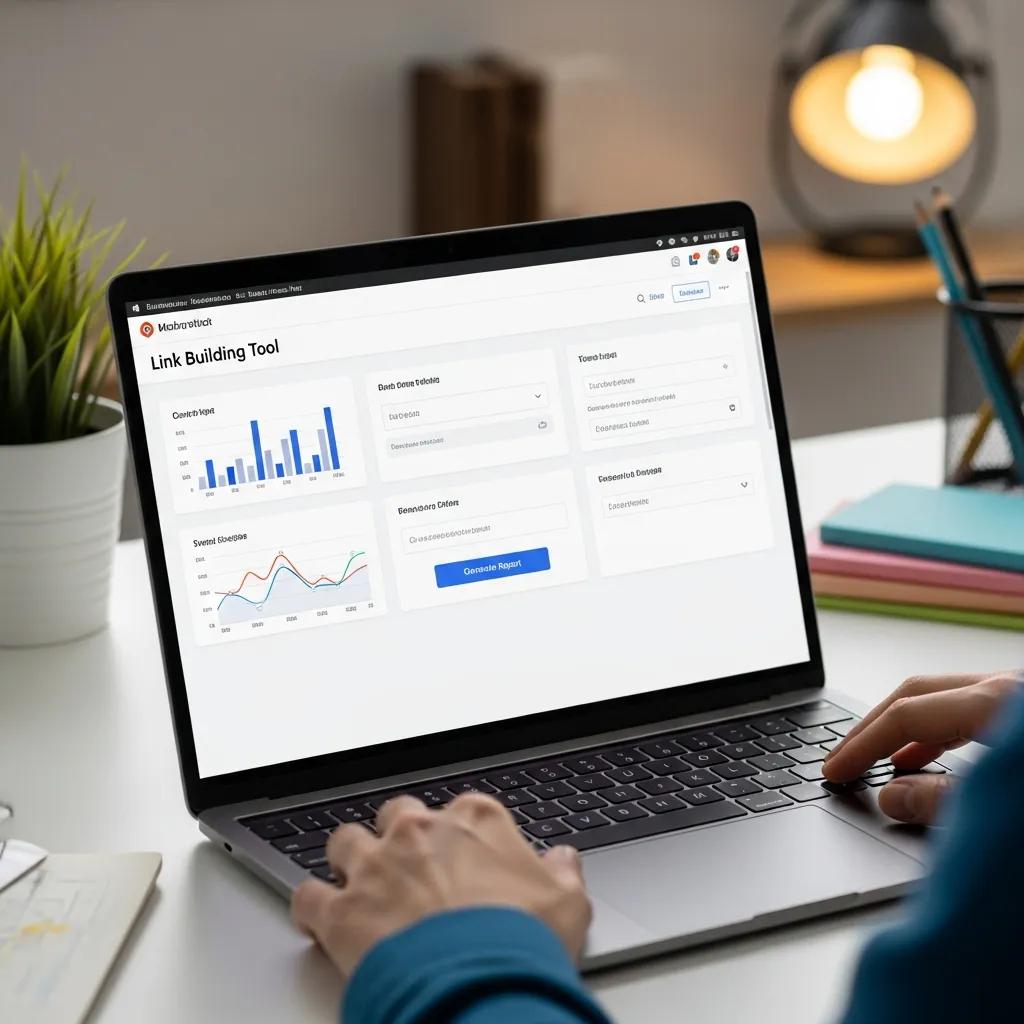
When picking a platform, SMBs should favor clear interfaces, actionable data, and pricing that grows with the business. The best options balance depth with ease of use so small teams can act on opportunities without a steep learning curve.
Top link‑building tools that suit SMBs and e‑commerce teams
A few tools consistently stand out for smaller sites and online stores:
- Ahrefs: Known for detailed backlink data and strong competitor research, Ahrefs helps you find high‑value link opportunities and track wins.
- SEMrush: An all‑in‑one marketing suite with backlink analysis, keyword tools, and site audits — ideal for teams that want SEO and content insights in one place.
- Moz: Provides approachable link analysis and domain metrics, making it a sensible choice for SMBs focused on steady link growth.
Feature comparison: backlink analysis tools and profile checkers
To choose the right tool, compare these core capabilities: backlink discovery, competitor visibility, outreach support, and cost. Below is a concise feature snapshot to help with that decision.
| ToolBacklink AnalysisCompetitor ResearchOutreach ManagementPricing | ||||
|---|---|---|---|---|
| Ahrefs | Yes | Yes | Limited | $99/month |
| SEMrush | Yes | Yes | Yes | $119.95/month |
| Moz | Yes | Yes | Yes | $99/month |
This snapshot highlights each tool’s strengths so you can pick the one that best fits your workflow and budget.
How to analyze competitor backlinks and gain an edge
Checking competitors’ backlinks is one of the fastest ways to discover proven link sources and content ideas. When you see where peers earn links, you can replicate successful tactics and identify outreach targets that fit your niche.
Practical techniques for competitor backlink analysis
Use these approaches to pull out actionable intelligence:
- Run competitor backlink reports: Tools like Ahrefs and SEMrush let you enter competitor URLs and view referring domains and top links.
- Prioritize high‑quality links: Focus on backlinks from respected industry sites — these move the needle on authority and rankings.
- Track changes over time: Monitor competitor link gains and losses to spot recurring patterns, campaigns, or seasonal tactics you can adapt.
Reading link quality scores and domain authority
Link scores and domain authority metrics help you judge which backlinks matter. High‑authority sources typically pass more value, so prioritize opportunities from strong domains and steer clear of low‑quality or spammy sites that could harm your profile.
What cost savings come from automated link‑building tools?

Automation removes repetitive outreach and monitoring tasks, letting small teams scale link efforts without growing headcount. Time saved on follow‑ups and tracking converts directly into lower operating costs.
How automation reduces SEO overhead
Automated features — outreach sequences, reminders, and link tracking — free your team to focus on strategy and creative work. For many growing e‑commerce sites, that efficiency justifies the software cost.
Case examples showing ROI from link‑building software
Several case studies show clear returns after adopting automation. For example, a small e‑commerce shop using automated link building reported a 50% increase in organic traffic over six months, which led to higher sales. These stories show how targeted tool investment can produce measurable results.
Research likewise supports the idea that data‑driven methods and selective automation can lift e‑commerce sales and conversion rates.
Strategic, Data‑Driven E‑commerce Conversion & Sales This paper presents a data‑driven method for improving e‑commerce conversion rates and sales. It explains how collecting key metrics and applying cost‑efficient automation can raise conversions, increase revenue, and improve customer satisfaction. Strategic data driven approach to improve conversion rates and sales performance of e‑commerce websites, H Saleem, 2019
How to simplify SEO with automated link audits and ongoing monitoring
Automated audits and backlink monitoring give immediate visibility into your link profile and flag issues before they escalate. That visibility keeps link‑building work focused and effective. Astrokid School Bag
Step‑by‑step: getting the most from link‑audit software
Follow these steps to use audit tools efficiently:
- Set up the tool: Connect the audit software to your site so it can crawl and begin tracking backlinks.
- Run audits regularly: Schedule routine checks to catch toxic or low‑quality links that could hurt rankings.
- Act on the findings: Use audit insights to refine outreach, disavow harmful links if necessary, and prioritize earning high‑value links.
Folding link tools into your wider marketing program
Link‑building works best when it’s integrated with content, social, and broader SEO efforts. Coordinate campaigns so content creation, outreach, and on‑page SEO reinforce one another — the result is steadier visibility and sustainable growth.
Frequently Asked Questions
Conclusion
Link‑building tools can change how SMBs and e‑commerce sites approach SEO — shifting from scattered outreach to data‑backed campaigns that scale. They speed research, cut manual work, and surface the high‑value opportunities that move the needle. Choose tools that suit your team, run regular audits, and pair automation with diligent oversight to get the best results. Start testing the platforms above to sharpen your link strategy and drive measurable growth.
About the Author

Brian Keary
Founder & Lead Developer
Brian is the founder of BKThemes with over 20 years of experience in web development. He specializes in WordPress, Shopify, and SEO optimization. A proud alumnus of the University of Wisconsin-Green Bay, Brian has been creating exceptional digital solutions since 2003.
Expertise
Writing since 2003