Roughly 93% of all web traffic originates from a search engine, making Google Search Console (GSC) the most vital tool in your digital arsenal for 2026. If you are flying blind without this data, you are essentially trying to navigate a ship through a thick fog without a compass. This free service provided by Google allows you to monitor, maintain, and troubleshoot your site's presence in search results. Think of it as a direct telephone line to the search giant, letting you know exactly how the algorithm perceives your content. Mastering this platform is no longer optional for business owners; it is the baseline requirement for staying relevant in an increasingly competitive digital landscape.
Key Takeaways
- Google Search Console is essential for monitoring your site's health and search visibility.
- Verification is the first, mandatory step to accessing your site's performance data.
- Focus on long-term trends rather than daily fluctuations in your metrics.
- Use the URL inspection tool to troubleshoot specific pages and request indexing.
- Core Web Vitals and mobile usability are critical ranking factors in 2026.
- Leverage query data to find new content opportunities for your blog.
- Regular maintenance of your sitemap ensures Google always knows about your latest content.
Who this is Google Search Console guide for?
This guide is for small business owners, budding bloggers, and junior marketing professionals who want to own their organic search strategy. If you have a website but feel like you are throwing content into a void, this information is for you. It is particularly helpful for those who are tired of guessing why their traffic is stagnant. You do not need a computer science degree to get started, just a willingness to look under the hood of your website and make some adjustments.
Who this is Google Search Console guide NOT for?
This guide is not for people seeking a "get rich quick" scheme or automated hacks to bypass search quality guidelines. If you are looking for ways to manipulate rankings through black-hat tactics, you will find no solace here. Additionally, if you are a massive enterprise-level organization with a dedicated team of fifty SEO engineers, you likely already have your own proprietary dashboards and advanced workflows. This content focuses on the practical, hands-on application for the rest of us who wear many hats.
What are Some Mistakes to avoid in GSC?
The most common error I see is ignoring the "Coverage" or "Indexing" reports until a site-wide disaster occurs. Many users treat GSC like a set-and-forget dashboard, checking it once a year rather than integrating it into their monthly growth routine. Avoid the temptation to obsess over every single micro-fluctuation in daily impressions; instead, focus on long-term trends and actionable data. Another major blunder is failing to verify your domain properly, which leaves your data incomplete and your site vulnerable to unauthorized indexing requests. Finally, never ignore the manual actions report, as this is where Google tells you if you have violated their core policies.
How do you Get started with verification?
You verify your site by proving ownership through DNS records, HTML file uploads, or Google Analytics. This is the foundational step that unlocks every other feature in the dashboard. Without verification, Google will not share your site’s private performance data with you. Once you have completed this, you are effectively "in the club." I always recommend the DNS method because it is the most robust and does not require you to clutter your site with extra verification files. See Google Search Console help for more information.
How do you Understand performance reports?
Performance reports tell you exactly how many people are seeing your pages and which specific queries they typed into the search bar. This is the heart of the tool, showing you clicks, impressions, average click-through rate (CTR), and average position. You can slice this data by date, page, country, device, and search appearance. If you want to dive deeper into these metrics, unlocking gsc mastery how to use google search console for deep audit insights is a great way to ensure you are not missing hidden opportunities in your data. It is fascinating to see which pages bring in the most traffic versus which ones have high impressions but low clicks.
How does the URL inspection tool work?
The URL inspection tool is your best friend when you publish a new blog post or update an existing page. By entering a specific link, you can see if Google has crawled it, if it is indexed, and if there are any mobile usability issues. If you notice your site is dragging, you should also look at speed wins how to optimize your shopify store for lightning fast speed to ensure your technical foundation is not holding your search rankings back. This tool is like a magnifying glass for your content, allowing you to request indexing if a page is missing from the search results.
How to use the index coverage report
The index coverage report shows you which pages are successfully crawled and which ones are hitting roadblocks. It categorizes your pages into "Valid," "Warning," or "Error" buckets so you can prioritize your fixes. A high number of "Excluded" pages is not always a bad thing; sometimes it just means Google correctly identified that these pages do not need to be in the index. Use this report to hunt down 404 errors or server issues that might be preventing your best content from being discovered.
Leveraging the sitemaps feature
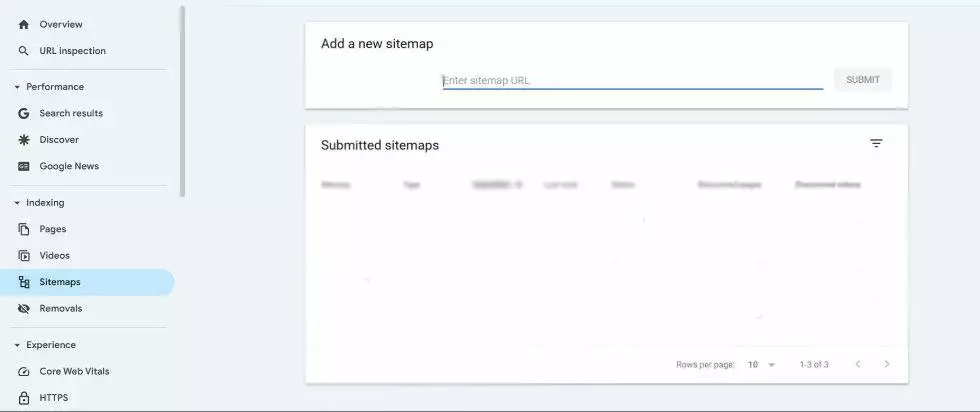
You submit a sitemap to Google to provide a clear roadmap of your website structure. A sitemap is essentially an XML file that lists every URL you want Google to consider for ranking. By submitting this, you reduce the time it takes for new content to be discovered by the search crawler. If you manage an e-commerce site, keeping this updated is crucial for how to customize your shopify store for maximum conversions because it ensures your product pages are always accessible to search engines.
Actionable checklist for GSC success
- Verify your domain property immediately upon site launch.
- Submit your XML sitemap and monitor it for processing errors.
- Check the "Performance" tab weekly to identify content trends.
- Use the URL inspection tool whenever you push major updates.
- Review the "Security and Manual Actions" section once a month.
- Filter by "Queries" to find new keyword opportunities for future content.
- Monitor mobile usability reports to ensure your site is responsive.
Why data accuracy matters
In 2026, search algorithms are prioritizing user experience and intent more than ever before. If your data in GSC shows a high bounce rate or a low CTR, it is a clear signal that your content is not answering the user's question. You have to be willing to iterate. Treat your GSC data as a set of clues for a mystery you are trying to solve. Every dip in traffic is just a nudge to look at your site from the perspective of someone who has never heard of your brand.
Comparing GSC with other analytics tools
It is common to ask why you need GSC if you already have Google Analytics or third-party SEO tools. The reality is that GSC provides the "before the click" data, while other tools focus on "after the click" behavior. You cannot build a complete picture without both.
| Feature | Google Search Console | Google Analytics |
|---|---|---|
| Primary focus | Search visibility & health | User behavior & conversion |
| Data source | Google search engine | Site-wide tracking code |
| Key metrics | Impressions, CTR, Position | Bounce rate, Time on page, Sales |
| Best for | Technical SEO & indexing | Marketing ROI & UX testing |
Handling mobile usability
Mobile-first indexing is the standard in 2026, meaning Google looks at the mobile version of your site to determine its rank. If your mobile site is clunky or has text that is too small to read, GSC will flag it under "Mobile Usability." Do not ignore these warnings. A site that works on desktop but breaks on mobile is like a store that sells great products but keeps its front door locked.
The role of Core Web Vitals
Core Web Vitals measure how fast your pages load and how stable they are while a user interacts with them. These metrics are official ranking factors, so keeping them in the "Good" range is non-negotiable. If you find your scores are failing, you might need to reconsider your hosting or your site's theme. Many developers find that optimizing their infrastructure is the key to unlocking better engagement metrics.
What is the difference between an impression and a click?
An impression occurs when your link appears in the search results, even if the user never scrolls down to see it. A click happens when the user actually selects your link and visits your site. A high number of impressions with a low number of clicks usually suggests that your title or meta description is not compelling enough to earn the user's attention.
How often should I check my dashboard?
While you don't need to check it every hour, a weekly review is the sweet spot for most business owners. This allows you to spot sudden drops in traffic before they become long-term issues. If you are running a major promotion or launching a new product, you might check it daily for a few days to ensure everything is being indexed correctly.
Can I use GSC to find new keyword ideas?
Absolutely, and it is one of the most underutilized features of the platform. By looking at the queries that bring users to your site, you can identify phrases you are already ranking for but haven't fully optimized for yet. If you see a query with high impressions but a low position, consider writing a dedicated article around that topic to capture more traffic. This is a classic SEO strategy that works wonders for organic growth.
What should I do if I get a manual action?
A manual action is a penalty from Google for violating their guidelines, such as spammy link building or cloaking. If you receive one, you must fix the underlying issue immediately. Once corrected, you can submit a "Request Review" through the dashboard. It is a stressful experience, but if you are honest and thorough in your cleanup, you can usually recover your rankings. See Google's Spam Policies to understand what is considered spam.
Why is my traffic dropping?
Traffic drops can stem from seasonal changes, algorithm updates, or technical issues on your site. Start by checking the performance report to see if the drop is across the whole site or just specific pages. If it is site-wide, look at the "Security and Manual Actions" tab to ensure you haven't been penalized. If it is page-specific, check the URL inspection tool to see if the page has been de-indexed or if there is a technical error blocking access.
Conclusion
Mastering Google Search Console is the ultimate way to demystify the search engine experience. You have the tools to see what is working, what is broken, and where your next big opportunity lies. Remember that SEO is a marathon, not a sprint. By consistently checking your data, fixing technical errors, and creating content that serves your audience, you will build a site that stands the test of time. Don't let the technical jargon intimidate you; the insights you gain from this platform are worth every minute of effort. Start small, stay consistent, and keep your eye on the long-term trends. Your website is a living, breathing entity, and GSC is the heartbeat monitor that tells you exactly how it is doing.
About the Author

Brian Keary
Founder & Lead Developer
Brian is the founder of BKThemes with over 20 years of experience in web development. He specializes in WordPress, Shopify, and SEO optimization. A proud alumnus of the University of Wisconsin-Green Bay, Brian has been creating exceptional digital solutions since 2003.
Expertise
Writing since 2003