
Semantic SEO is crucial for online visibility in today's sophisticated search engine landscape. This guide provides actionable tips to optimize your website for semantic SEO, ensuring your content aligns with user intent and improves search engine rankings.
What Exactly is Semantic SEO and Why Does It Matter?
At its core, semantic SEO is about optimizing your content and website to help search engines understand the meaning and context of your content, not just the keywords present on the page. Think of it as moving from simply identifying individual words to grasping entire concepts, entities, and the relationships between them. Google's algorithms are increasingly adept at discerning user intent behind queries, meaning they don't just match keywords; they match concepts.
This shift matters immensely for your SEO efforts because it means higher relevance. If Google truly understands what your page is about and how it relates to various topics, it's more likely to serve your content to users whose queries align conceptually, even if they use slightly different phrasing. This leads to better user experience, lower bounce rates, and ultimately, higher rankings and more conversions.
How to Deep Dive into Keyword Research: From Keywords to Concepts?
Traditional keyword research focused heavily on search volume and competition for exact-match terms. While these metrics are still valuable, modern semantic SEO demands a more nuanced approach. Your goal should be to identify topic clusters and related concepts that fully address a user's potential needs and questions.
- Focus on User Intent: Instead of just asking "what keywords are people searching for?", ask "what problem are they trying to solve?" or "what information do they truly need?". Keywords like "best running shoes" imply a need for product reviews, comparisons, and buying guides, not just a definition of running shoes.
- Leverage LSI Keywords and Related Entities: Look beyond primary keywords to Latent Semantic Indexing (LSI) keywords and related entities. These are words and phrases that frequently appear together with your main topic. Tools like Google's "People also ask" section, related searches, and even Wikipedia can be excellent resources for uncovering these semantic connections.
- Map Keywords to Content Clusters: Organize your content around broader topics, with a main "pillar page" covering the overarching subject, and supporting "cluster pages" diving into specific sub-topics. This internal linking structure inherently builds semantic relationships for search engines.
How to Craft Content for Meaning and Context?
The quality and structure of your content are paramount for semantic SEO. Your content needs to be comprehensive, authoritative, and easy for both humans and search engines to understand. Here are some key tips for optimizing your website for semantic SEO through content creation:
When writing, think broadly around your subject. Cover different angles, answer common questions, and provide a depth of information that truly satisfies user intent. Use a natural language style; avoid jargon where possible, and ensure your writing flows logically. Incorporate synonyms, related terms, and contextual phrases naturally throughout your text to demonstrate a thorough understanding of the topic without resorting to repetitive keyword usage. For example, if your main keyword is "digital marketing strategy," you might also use "online marketing plan," "internet advertising tactics," or "SEO growth hacks" to enrich the semantic field.
What Are Key Content Optimization Strategies?
- Be Comprehensive: Aim to be the definitive resource for your chosen topic. Cover all facets, answer potential follow-up questions, and provide unique insights.
- Use Natural Language: Write for your audience first. Semantic search rewards content that reads naturally and provides value, rather than content that is optimized purely for robots.
- Incorporate Varied Terminology: Employ synonyms, antonyms, and semantically related terms. This signals to search engines that you understand the breadth of your topic.
- Structure with Headings and Subheadings: Use
<h1>,<h2>,<h3>tags logically to break down your content, making it scannable and helping search engines understand the hierarchy and different sub-topics. - Embed Multimedia: Images, videos, infographics, and audio can add significant context and improve user engagement. Ensure these assets are optimized with descriptive alt text and captions.
- Internal Linking: Strategically link to other relevant pages on your site. This helps search engines understand the relationships between your content pieces and distributes link equity, reinforcing your topical authority.
How to Leverage Structured Data and Schema Markup?
Structured data is perhaps one of the most direct ways to tell search engines about the entities on your page and their relationships. By using Schema.org vocabulary, you can mark up specific types of content – such as articles, products, recipes, local businesses, or people – in a way that search engines can easily parse and understand.
Implementing structured data helps your content appear in rich snippets, knowledge panels, and other enhanced search results, giving you a distinct visibility advantage in the SERPs. For example, marking up a recipe with Schema.org's `Recipe` type can lead to rich results showing cooking time, ratings, and ingredients directly in the search results. This greatly enhances your SEO by making your listings more appealing and informative.
Google's Rich Results Test tool is invaluable for checking your implementation and ensuring your structured data is error-free and eligible for rich results.
How to Build Entity Relationships and Topical Authority?
Google's Knowledge Graph is built on entities – "things" with unique identities and attributes – and the relationships between them. For optimal semantic SEO, you need to establish your website as an authority on specific entities and topics. This goes beyond just having good content; it involves demonstrating your expertise and trustworthiness.
- Consistent Entity Mentions: Consistently refer to key entities (people, organizations, products, places) in your content and link them to their authoritative sources (e.g., Wikipedia, official company websites) when appropriate.
- Strong Internal Linking: Create a robust internal linking structure where related content pieces link to each other. This creates a "web" of knowledge on your site, signaling to search engines that your site is a comprehensive resource for a particular topic.
- Build a Strong Backlink Profile: Earn backlinks from other authoritative and relevant websites. These act as votes of confidence and help solidify your site's authority in the eyes of search engines.
- Google My Business (for Local SEO): If you have a physical location, optimize your Google My Business profile thoroughly. This helps Google understand your business entity and its relevance to local searches.
Why Does User Experience (UX) Matter for Semantic SEO?
While not a direct semantic element, user experience plays a crucial indirect role in semantic SEO. Google observes how users interact with your site after clicking through from search results. Metrics like dwell time, bounce rate, and click-through rate (CTR) are strong indicators of whether your content effectively matched the user's intent and provided value.
A positive user experience signals to Google that your content is high-quality and relevant, reinforcing its semantic understanding of your page. Conversely, a poor UX (slow loading times, difficult navigation, irrelevant content) will lead to high bounce rates and low dwell times, which can negatively impact your rankings, even if your semantic optimization is otherwise strong.
Therefore, ensure your website is:
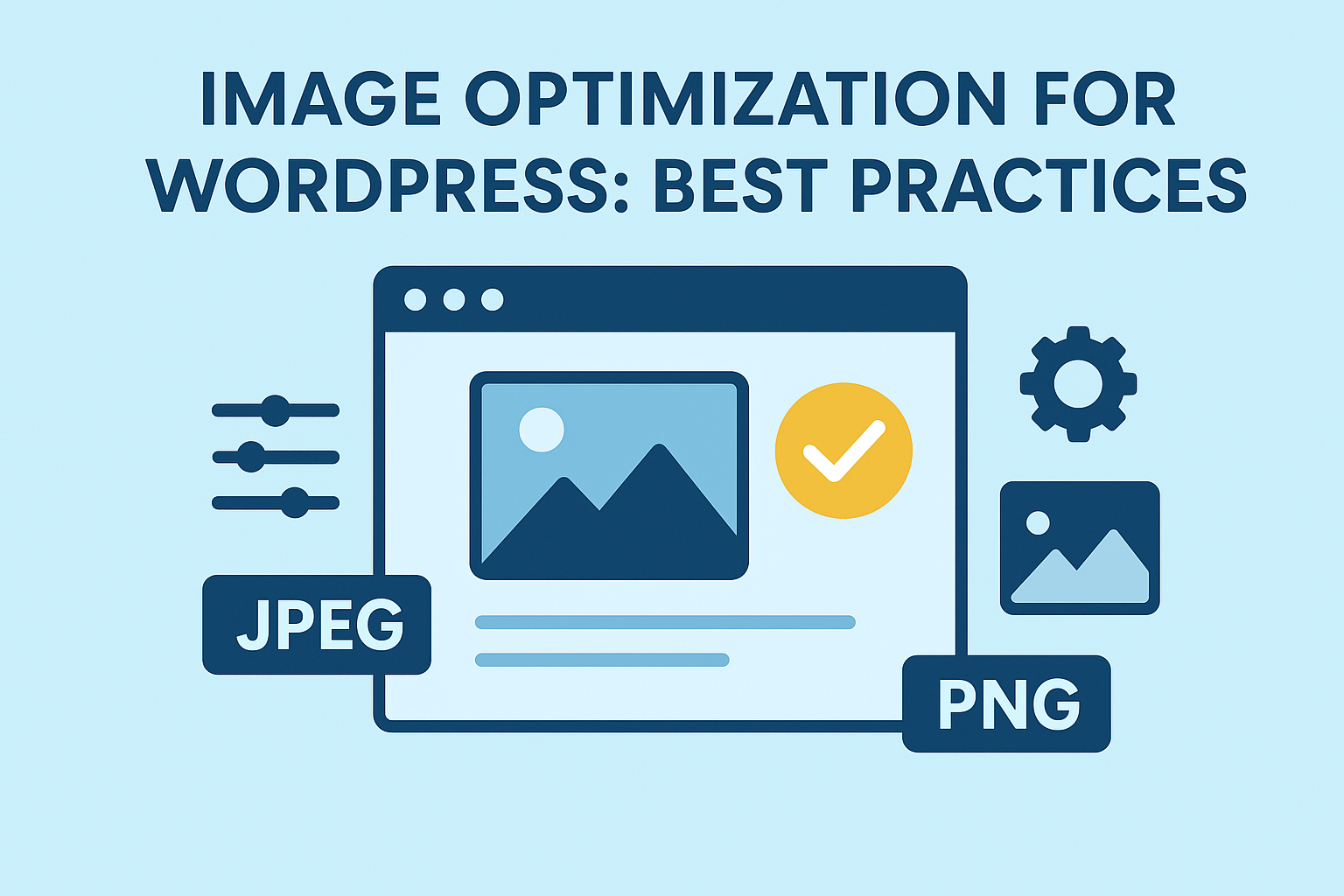
- Fast-loading: Optimize images, leverage caching, and minimize code.
- Mobile-friendly: Responsive design is non-negotiable in today's mobile-first indexing world.
- Easy to navigate: A clear site structure and intuitive menus help users find what they need quickly.
- Engaging: Use compelling visuals, interactive elements, and clear calls to action to keep users engaged.
What is the Future of SEO and How to Embrace It?
Optimizing your website for semantic SEO is not a one-time task; it's an ongoing process of understanding your audience, creating valuable content, and continuously refining your website's technical and contextual signals. By moving beyond a narrow keyword focus and embracing the broader concepts of meaning, context, and user intent, you are not just optimizing for today's search engines, but for the future of search.
Implementing these tips for optimizing your website for semantic SEO will not only help search engines better understand and rank your content but also provide a superior experience for your users. This holistic approach to SEO is the key to sustained visibility, authority, and growth in the competitive online landscape.
Start applying these principles today and watch your website transform into a truly authoritative and user-centric online presence.
About the Author

Brian Keary
Founder & Lead Developer
Brian is the founder of BKThemes with over 20 years of experience in web development. He specializes in WordPress, Shopify, and SEO optimization. A proud alumnus of the University of Wisconsin-Green Bay, Brian has been creating exceptional digital solutions since 2003.
Expertise
Writing since 2003