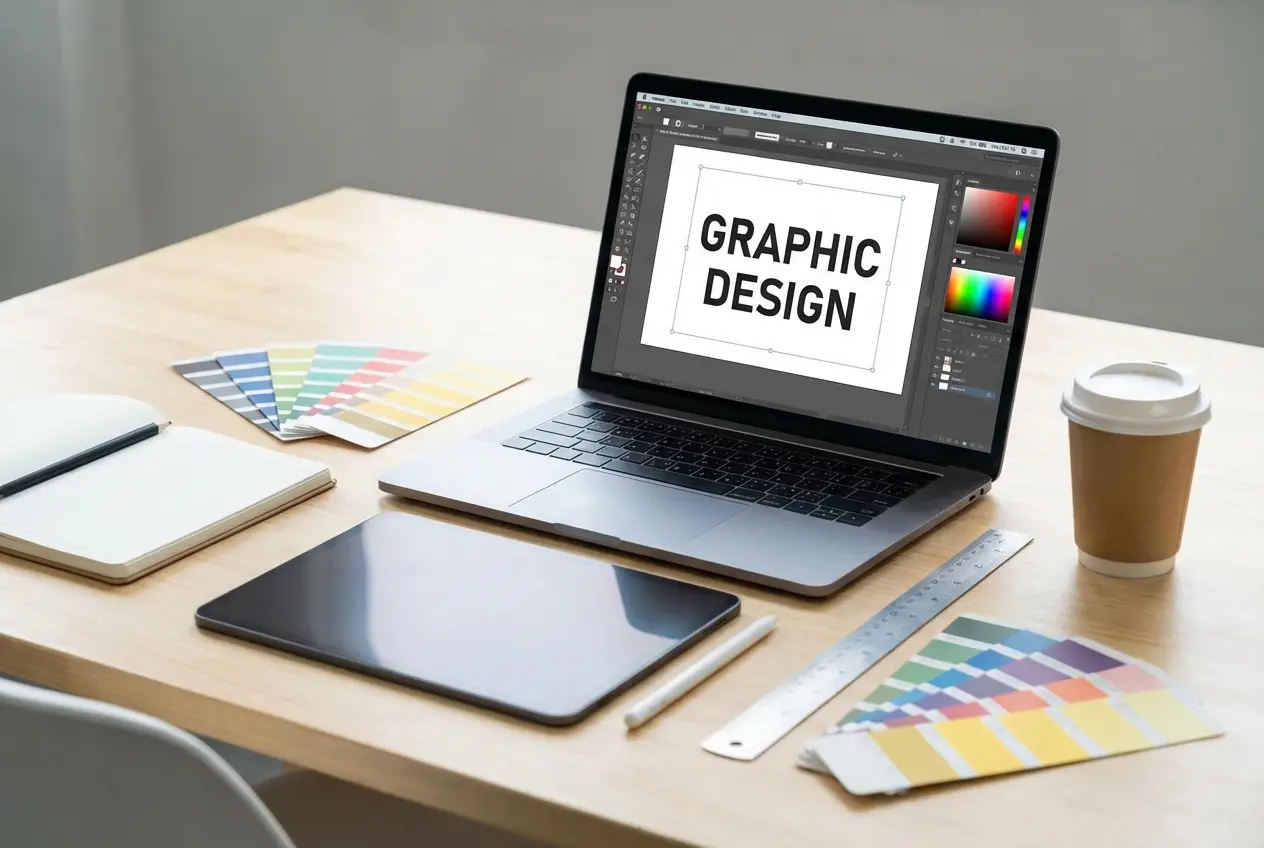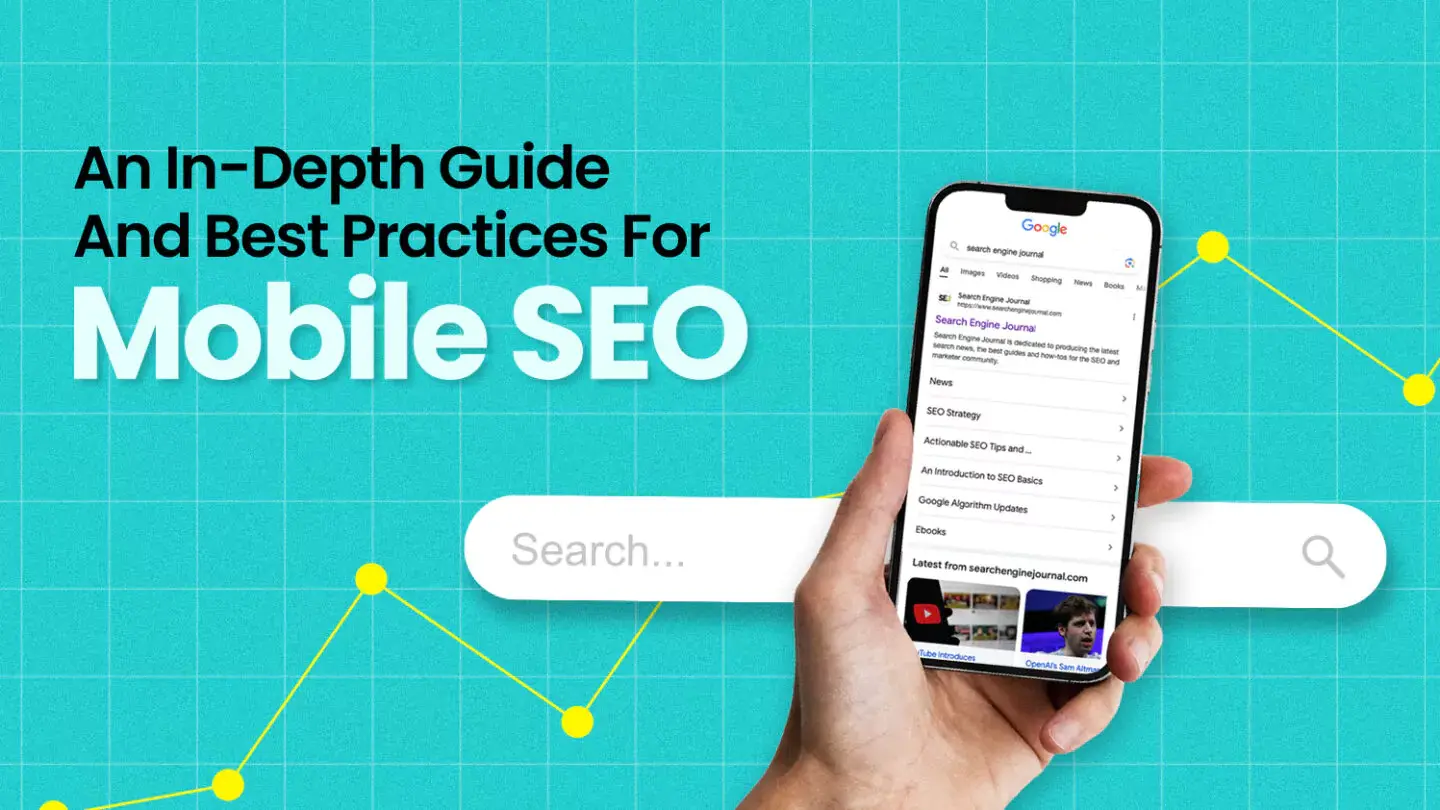
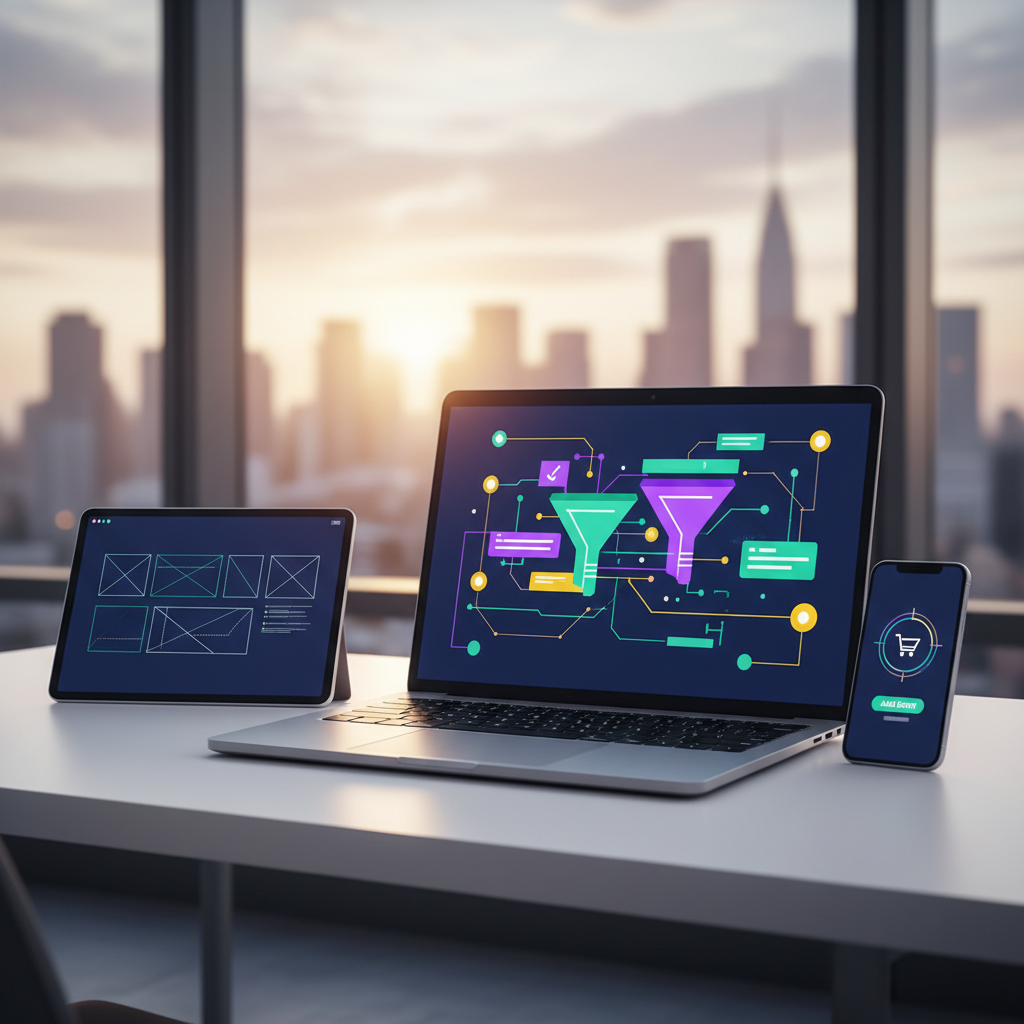
In today's hyper-digital world, your website is often the first impression a potential customer has of your brand. It's more than just an online brochure; it's a dynamic sales tool, a customer service portal, and a reflection of your brand's professionalism. This is where professional web design steps in, transforming a mere online presence into a powerful platform that engages, converts, and delights. As an SEO expert with three decades in the trenches, I can tell you that outstanding web design isn't just about aesthetics – it's fundamental to your online success and search engine visibility.
What is Web Design and Why Does It Matter So Much?
At its core, web design encompasses all the visual and functional elements of a website. It involves planning, conceptualizing, and arranging content intended for the internet. This includes the layout, color scheme, graphics, fonts, and overall user interface (UI) and user experience (UX). Far from being a superficial concern, the quality of your website design profoundly impacts user engagement, trust, conversion rates, and critically, your search engine rankings.
- First Impressions: Visitors judge a website's credibility within milliseconds. A professional, clean design instantly builds trust.
- User Experience (UX): Good design makes a site easy to navigate and enjoyable to use, keeping visitors on your site longer.
- Brand Identity: Your website is a digital extension of your brand. Consistent and appealing design reinforces your identity.
- Conversion Rates: An intuitive layout and clear calls-to-action (CTAs) guide users towards desired outcomes, like making a purchase or filling out a form.
- SEO Performance: A well-structured, fast, and mobile-friendly design is a major ranking factor for search engines like Google.
Key Pillars of Effective Web Design
To truly excel, modern web design must balance aesthetic appeal with robust functionality and SEO best practices. Here are the foundational pillars:
User Experience (UX) & User Interface (UI)
UX and UI are two sides of the same coin in website design. UX focuses on the overall feeling a user has when interacting with a site – is it easy, efficient, enjoyable? UI is about the specific elements users interact with – buttons, menus, typography, and visual layout. A successful website combines both for a seamless journey.
For more insights into user-centered design, explore the extensive resources available from the Nielsen Norman Group, a leading authority on UX research.
Responsive Design for Every Device
With mobile internet usage skyrocketing, responsive web design is non-negotiable. It ensures your website adapts and displays perfectly on any device, from desktops to tablets and smartphones. Google prioritizes mobile-friendly sites, making it a critical SEO factor and a must for a positive user experience.

Visual Aesthetics & Brand Identity
The visual appeal of your website, including color schemes, typography, imagery, and whitespace, plays a crucial role in conveying your brand's personality and professionalism. Consistency across all pages reinforces brand recognition and builds trust. A well-chosen visual style can evoke emotions and create a memorable experience for your visitors.
SEO-Friendly Structure & Content
An often-overlooked aspect of web design is its direct impact on SEO. A clean code structure, fast loading times, proper heading hierarchy (H1, H2, H3), schema markup, and logical internal linking are all design considerations that significantly influence how search engines crawl, index, and rank your site. A well-designed site inherently supports content marketing efforts by providing a clear, engaging platform for valuable information.
The Web Design Process: From Concept to Launch
A professional web design project typically follows a structured process to ensure efficiency and deliver optimal results:
- Discovery & Planning: Understanding client goals, target audience, competition, and content strategy.
- Wireframing & Prototyping: Creating skeletal layouts (wireframes) and interactive models (prototypes) to map out user flow and functionality.
- Design & Development: Bringing the visuals to life, coding the front-end (what users see) and back-end (server, database) elements.
- Testing & Launch: Rigorous testing across devices and browsers, performance checks, and finally, deployment of the live site.
- Maintenance & Optimization: Ongoing updates, security checks, and continuous optimization based on analytics and user feedback.
Essential Tools and Technologies for Modern Web Design
The landscape of web design tools is constantly evolving, but some categories remain fundamental:
| Category | Examples & Description |
|---|---|
| Design Software | Figma, Adobe XD, Sketch: For UI/UX design, wireframing, and prototyping. |
| Front-End Languages | HTML (structure), CSS (styling), JavaScript (interactivity): The core languages of the web. |
| Content Management Systems (CMS) | WordPress, Shopify, Joomla: Platforms for managing website content without extensive coding. |
| Version Control | Git, GitHub: For tracking changes in code and collaborating on projects efficiently. |
| Image Optimization Tools | TinyPNG, ImageOptim: Essential for reducing image file sizes without sacrificing quality, boosting site speed. |
The Impact of Web Design on Your SEO Strategy
Modern SEO is deeply intertwined with good web design. Search engines evaluate websites based on signals that are directly influenced by design choices:
- Site Speed & Core Web Vitals: A fast-loading site with excellent Core Web Vitals is a major ranking factor and enhances user experience. Cluttered design, unoptimized images, and inefficient code can severely hinder this.
- Mobile-Friendliness: Google's mobile-first indexing means your site's mobile experience is paramount for rankings. Responsive design ensures this.
- User Engagement Signals: Low bounce rates, longer time on page, and higher click-through rates (CTR) signal to search engines that your site provides value, often a direct result of intuitive design.
- Information Architecture: A logical site structure, clear navigation, and internal linking strategy, all part of web design, help search engine bots understand your site's content and hierarchy.
Ultimately, a professional web design isn't just an expense; it's an investment that pays dividends in improved search visibility, higher engagement, and better conversion rates. Amazon Agency
"Good design is good business. It not only makes your website more appealing but also fundamentally improves its performance, from user satisfaction to search engine rankings. Investing in expert web design is investing in your digital future."
Frequently Asked Questions About Web Design
Conclusion: Invest in Your Digital Future with Expert Web Design
In the digital age, a compelling online presence is not just an advantage; it's a necessity. Professional web design is the cornerstone of that presence, melding aesthetics with functionality to create a powerful tool for your business. From enhancing user experience and reinforcing brand identity to significantly boosting your SEO performance and conversion rates, the benefits of a well-crafted website are undeniable.
Don't let an outdated or poorly designed website hold your business back. Embrace the power of strategic web design to build a digital asset that works tirelessly for you. Explore our portfolio of stunning websites and learn more about our services, or contact us today to discuss how we can transform your online presence and drive tangible results.
About the Author

Brian Keary
Founder & Lead Developer
Brian is the founder of BKThemes with over 20 years of experience in web development. He specializes in WordPress, Shopify, and SEO optimization. A proud alumnus of the University of Wisconsin-Green Bay, Brian has been creating exceptional digital solutions since 2003.
Expertise
Writing since 2003