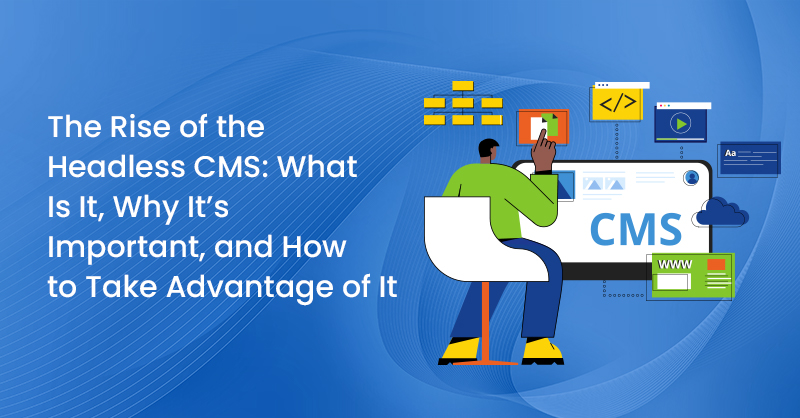
Headless microsites are independent web components that decouple the front-end presentation layer from the back-end content repository. By utilizing APIs to fetch data, these sites allow for specialized user experiences and improved performance compared to traditional monolithic architectures.
What Are Headless Microsites?
A headless microsite is a small, independent website that uses a headless CMS (Content Management System) to separate content storage from presentation. Unlike traditional websites, where the front-end and back-end are tightly coupled, headless microsites retrieve content via APIs, allowing greater flexibility in design and performance.
What are the core characteristics of a headless microsite?
A headless microsite separates its backend content storage from its frontend presentation layer. They communicate using APIs (like REST or GraphQL), allowing developers to build custom user interfaces with modern frameworks while managing text and media in a central repository.
What Core Architecture Powers Headless Microsites?
Headless microsites are primarily powered by the JAMstack architectural pattern, which decouples the frontend user experience from the backend data layer.
JAMstack structures microsites around three core technical pillars:
- JavaScript (J): Handles dynamic user features directly on the client side, eliminating the need for a server-side runtime to dynamically compile HTML for every visitor request.
- APIs (A): Connects the frontend to backend functionality, database records, and third-party tools via decoupled HTTP protocols like RESTful or GraphQL APIs. This keeps core databases safely isolated behind secure gateways.
- Markup (M): Delivers pre-rendered, lightweight static HTML pages directly to users via a global Content Delivery Network (CDN) for fast rendering and minimal server load.
In this setup, content is managed in a central, API-first headless CMS (such as Contentful, Sanity, or Strapi), while frontend frameworks (like Next.js, Nuxt.js, or Astro) fetch the content as raw JSON and render static pages for CDN deployment.
How JAMstack Powers Secure Microsites
- JavaScript (J): Handles dynamic functionalities on the client side, eliminating the need for a web server to generate HTML on the fly.
- APIs (A): Abstracts backend functions into reusable HTTP APIs, ensuring the core database remains hidden behind secure gateways.
- Markup (M): Delivers pre-built, static HTML pages directly from a Content Delivery Network (CDN) for maximum speed and security.
Architectural Security Breakdown
[ Headless CMS / Data ] ──( Secure APIs )──> [ Build Tools ] ──> [ Static Content on CDN ] ──> [ User Browser ]
                                                                      (No Database)
By leveraging this architecture, you ensure that even if an attacker attempts to breach the public-facing microsite, there is no database or server operating system available for them to exploit.
Performance & Management Benefits
- Faster load times: Static site generators and lean frontends improve speed.
- Independent scaling: Traffic spikes on the user-facing side do not strain the content repository.
- Enhanced security: Separating the public display from the core management system reduces vulnerability.
Why Should You Choose a Headless Microsite Over a Monolithic CMS?
Choosing a headless microsite over a traditional monolithic CMS offers several key advantages, particularly for targeted campaigns, high-performance landing pages, product launches, or multi-platform experiences:
- Superior Speed & Performance: Monolithic platforms often carry heavy database queries and page-rendering overhead. Headless microsites deliver pre-built, lightweight static markup over a CDN, leading to faster load times, better Core Web Vitals, and improved SEO rankings.
- Enhanced Security: Monolithic architectures tightly couple the frontend to a server-side execution environment and database, creating exposure to common attack vectors like SQL injection. By decoupling content delivery and serving static files via APIs, headless microsites significantly minimize the public attack surface.
- Flexible Development Stack: Developers are not locked into a specific monolithic templating system (like WordPress or traditional CMS themes). They can build custom, high-speed frontends using modern frameworks like Next.js, Nuxt.js, or Astro.
- Independent & Cost-Effective Scaling: High traffic spikes during campaigns or product drops only impact the CDN layer serving static content, rather than straining the primary CMS backend or risking downtime for your main website.
- Multi-Platform Integration ("Create Once, Publish Everywhere"): Content managed in a central headless CMS is exposed via structured REST or GraphQL APIs (JSON format). This allows the same underlying data to feed web microsites, mobile applications, digital signage, or in-store kiosks without duplicating content or code.
- Isolated Campaign Agility: Marketing teams can deploy focused, experimental, or highly customized user experiences rapidly on a dedicated microsite without risking the stability or cluttering the codebase of the main corporate website.
When Should You Deploy a Headless Microsite?
Deploying a headless microsite is particularly advantageous when project requirements demand high performance, rapid iteration, or specialized user experiences isolated from your primary web infrastructure.
Key scenarios for deploying a headless microsite include:
- E-Commerce Landing Pages E-commerce brands use headless microsites, like Orbit, to create high-speed, conversion-optimized landing pages that integrate seamlessly with their main storefronts.
- Marketing Campaigns Headless microsites are perfect for running marketing campaigns with unique, custom-branded experiences without affecting the main website’s structure.
- Event and Product Launch Pages Companies can quickly deploy microsites dedicated to product launches or events, ensuring a streamlined, focused message.
- SaaS and Tech Product Demos Tech companies use headless microsites to showcase live product demos or interactive experiences without slowing down their main website.
What Are The Steps to Building a Headless Microsite?
When building a headless microsite, it's essential to follow a structured approach to ensure optimal performance, maintainability, and scalability. The steps below outline a typical workflow for creating a headless microsite.
Step 1: Choose a Headless CMS
Popular options include:
- Contentful (Enterprise-grade, API-first CMS)
- Sanity (Highly customizable and developer-friendly)
- Strapi (Open-source and self-hosted solution)
Step 2: Select a Front-End Framework
Headless microsites work best with modern JavaScript frameworks that support static site generation (SSG) and server-side rendering (SSR):
- Next.js Ideal for performance-critical projects, Next.js natively supports Incremental Static Regeneration (ISR). ISR allows developers to update individual static pages in the background without needing to trigger a full site redeployment or rebuild. When a visitor requests a page after a specified revalidation window, Next.js serves the cached static version while asynchronously regenerating the fresh page content behind the scenes, maintaining lightning-fast load times with up-to-date data.
- Nuxt.js A powerful Vue-based framework offering hybrid rendering options, allowing teams to mix static site generation with server-side components for complex web applications.
- Astro Optimized for ultra-fast performance and minimal JavaScript execution. Astro ships zero client-side JavaScript by default, making it ideal for content-heavy microsites and conversion landing pages.
Step 3: Set Up API Integrations
Connect your headless CMS to your front-end framework using modern Web APIs:
- GraphQL vs. REST APIs: When pulling content into a microsite, API choice significantly impacts payload efficiency and network performance. Traditional REST endpoints return fixed, pre-defined JSON structures, often leading to over-fetching (retrieving unnecessary data fields) or under-fetching (requiring multiple round-trip requests to gather linked resources). In contrast, GraphQL allows developers to query exact schema fields, fetching only the precise microdata needed for a given component in a single HTTP request. This drastically reduces payload size, speeds up network responses, and minimizes client-side data processing.
- SDKs & Client Libraries: Most major headless platforms provide client libraries or TypeScript SDKs to streamline authentication, request batching, and cache management during static site builds or runtime data fetching.
Step 4: Optimize for SEO and Performance
- Implement lazy loading and image optimization
- Use caching strategies to improve response times
- Ensure mobile-first and responsive design
Step 5: Deploy and Scale
- Use Vercel or Netlify for seamless deployment
- Monitor site performance with Google Lighthouse
- Expand by integrating additional services like e-commerce or personalization engines
Frequently Asked Questions (FAQs)
What is the main difference between a headless microsite and a traditional website?
A traditional (monolithic) website couples content management and front-end design into one system. A headless microsite separates these layers, storing content in a headless CMS and using modern APIs to deliver lightweight static markup via a CDN. This decoupling results in faster load times, superior security, and greater design flexibility.
Does moving to a headless microsite harm our SEO performance?
No—it typically improves it. Because headless microsites leverage pre-rendered HTML and global CDNs, they achieve exceptionally fast page speed, near-instant rendering, and higher Core Web Vitals scores. Search engines prioritize fast, mobile-friendly sites, making headless architecture an asset for organic search rankings.
Will non-technical teams still be able to edit content without developer assistance?
Yes. While developers handle the front-end code and initial integration, content editors manage text, images, and campaign assets directly inside a headless CMS (like Contentful, Sanity, or Strapi) using intuitive visual dashboards. Once published, updates automatically push to the microsite via APIs.
When should a brand choose a headless microsite over a main corporate site update?
Headless microsites are ideal for high-impact product launches, targeted ad campaigns, event landing pages, or interactive product demos. They allow marketing and product teams to build highly customized, fast-loading, or experimental user journeys rapidly without cluttering the main corporate website or risking backend downtime during traffic spikes.
How do Incremental Static Regeneration (ISR) and static rendering benefit microsites?
Static rendering pre-builds pages into static HTML for instant delivery via a CDN. Frame-level features like Next.js's Incremental Static Regeneration (ISR) take this further by allowing specific pages to update asynchronously in the background when content changes, keeping data fresh without requiring a full site rebuild or slowing down the user experience.
Are headless microsites more expensive to build and maintain?
Initial setup costs can be higher than traditional template-based sites because front-end development is required upfront. However, long-term costs often decrease due to lower hosting infrastructure expenses (serving static files on CDNs is far cheaper than running dynamic database servers), reduced maintenance, and the ability to re-use APIs across multiple channels.
What is The Future of Headless Microsites?
As businesses demand faster, more flexible web solutions, headless microsites will continue to grow in popularity. By providing enhanced speed, security, and multi-platform adaptability, they offer a next-generation approach to web development.
For brands looking to stay ahead in digital transformation, adopting headless microsites is a strategic move that enhances both user experience and business efficiency. Whether you're launching a marketing campaign, optimizing e-commerce landing pages, or streamlining content delivery, headless microsites provide an innovative and scalable solution.
Are you ready to embrace the future of web development? Start experimenting with headless microsites today and unlock new possibilities for your online presence!
About the Author

Brian Keary
Founder & Lead Developer
Brian is the founder of BKThemes with over 20 years of experience in web development. He specializes in WordPress, Shopify, and SEO optimization. A proud alumnus of the University of Wisconsin-Green Bay, Brian has been creating exceptional digital solutions since 2003.
Expertise
Writing since 2003