What is the Best Platform: Shopify vs. BigCommerce
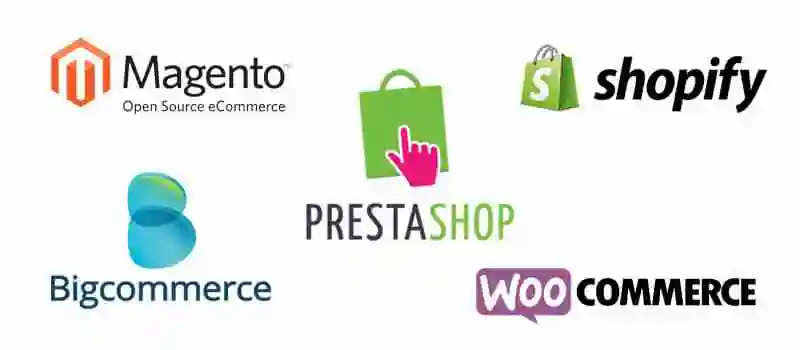
Did you know that e-commerce sales are projected to reach an astonishing $6.3 trillion globally in 2026? That's a massive pie, and every online business owner wants a bigger slice. But to snag that slice, you need the right tools, and for online stores, that means a robust e-commerce platform. Today, we're diving deep into the titans: Shopify and BigCommerce. Choosing between them feels like picking a favorite child – tough, but crucial for your digital storefront's success. Let's unpack what makes each platform tick, who they're best suited for, and how to make the best decision for your burgeoning brand.
Key Takeaways
- Shopify excels in ease of use and speed to market, making it ideal for beginners and small businesses.
- BigCommerce offers more built-in features and flexibility, often favored by larger or more complex businesses, especially those with B2B needs.
- Shopify has a vastly larger app store, providing endless customization options.
- BigCommerce generally avoids transaction fees on its plans, which can be a cost saving for high-volume stores.
- BigCommerce often boasts stronger native SEO capabilities compared to Shopify's reliance on apps for advanced features.
- Both platforms are highly scalable and can support businesses of all sizes.
- Carefully consider your current needs and future growth projections when making your decision.
- Utilize free trials to get hands-on experience with each platform's interface and features.
Who This Article Is For
This guide is crafted for aspiring entrepreneurs and established online retailers alike who are standing at the crossroads of e-commerce platform selection. If you're currently evaluating your options for building a new online store, migrating from a less capable platform, or even considering a switch between these two giants, you've landed in the right spot. We're talking to folks who are serious about their online sales strategy and need to understand the nuances of features, pricing, scalability, and customization. Whether you're a solopreneur with a handful of products or a growing business with complex inventory needs, this breakdown will illuminate the path forward.
Who This Article Is NOT For
If you're just dabbling in online selling with a single product or a hobby business and need something incredibly basic, this deep dive might be more than you need right now. Similarly, if you're already deeply entrenched in a highly customized, proprietary e-commerce solution and aren't considering a move, this comparison won't serve your immediate needs. This article isn't for those seeking a quick, superficial overview; it's for those ready to invest time in understanding the core differences that impact long-term growth and operational efficiency.
The Core Differences: A Bird's-Eye View
At their heart, both Shopify and BigCommerce are Software-as-a-Service (SaaS) e-commerce platforms designed to help businesses sell online. They provide the infrastructure, tools, and features necessary to create, manage, and grow an online store without requiring deep technical expertise. However, their philosophies and feature sets diverge in significant ways. Shopify often feels like the user-friendly, all-in-one solution, perfect for those who want to get selling quickly. BigCommerce, on the other hand, tends to lean towards flexibility and powerful built-in features, appealing to businesses with more complex requirements or those anticipating rapid, intricate growth.
Shopify: The User-Friendly Powerhouse
Shopify has earned its reputation as a leader in the e-commerce space, largely due to its intuitive interface and ease of use. Getting a store up and running on Shopify is remarkably straightforward. Their drag-and-drop editor, extensive app store, and clear navigation make it accessible even for complete beginners. It's like having a seasoned shopkeeper guide you through every step of setting up your virtual boutique. For many, Shopify is the go-to choice for its sheer simplicity and the speed at which you can transition from an idea to a functional online store. This platform has truly democratized online selling.
BigCommerce: The Feature-Rich Challenger
BigCommerce positions itself as a more robust and scalable solution, often appealing to businesses that need more advanced functionality out-of-the-box. They boast a wealth of built-in features that might require paid apps or extensive customization on other platforms. Think of BigCommerce as a Swiss Army knife; it comes equipped with a wide array of tools ready for immediate deployment. This can translate into lower long-term costs for businesses that would otherwise be heavy app users. Their focus on B2B capabilities and advanced SEO also sets them apart.
Key Features Compared
When you're comparing e-commerce platforms, features are paramount. These are the building blocks of your online store's functionality and customer experience. Let's break down how Shopify and BigCommerce stack up across critical areas.
Ease of Use and Setup
Shopify undeniably takes the crown for ease of use. Its clean dashboard and guided setup process are exceptionally beginner-friendly. Launching your first product, configuring shipping, and processing orders feels almost effortless. BigCommerce is also user-friendly but presents a slightly steeper learning curve due to its more extensive feature set. While not difficult, it requires a bit more exploration to master all its capabilities. For those prioritizing speed to market and minimal technical hassle, Shopify often wins this round.
Design and Customization
Both platforms offer a good selection of themes, ranging from free to premium. Shopify's theme store is vast, and customization is straightforward, especially with their theme editor. For deeper customization, you'll likely delve into Liquid (Shopify's templating language) or hire a developer. BigCommerce also provides a robust set of themes and greater built-in customization options without necessarily needing to code. Their platform architecture is generally considered more flexible for advanced design tweaks, allowing for more intricate control over the customer journey. Understanding the advantages of a custom theme vs. premade theme is crucial here, regardless of platform.
App Stores and Integrations
This is where the platforms diverge significantly. Shopify boasts an enormous app store with tens of thousands of applications covering virtually every conceivable need, from marketing and SEO to customer service and inventory management. This vast ecosystem is a major strength. BigCommerce's app marketplace is smaller but growing. However, it often includes more powerful, enterprise-level integrations. The key difference is that BigCommerce tends to build more features directly into its core platform, meaning you might need fewer apps overall compared to Shopify, potentially saving on subscription costs. For example, robust SEO features are often built into BigCommerce plans, whereas on Shopify, you might rely on top 5 Seo apps for Shopify 2026.
Pricing and Transaction Fees
Pricing is a complex beast. Both platforms offer tiered monthly plans. Shopify's plans start at a lower price point but charge transaction fees on top of payment gateway fees if you don't use Shopify Payments. BigCommerce generally has no transaction fees on its plans, which can be a significant cost saver for high-volume stores. However, BigCommerce's higher tiers can become more expensive than Shopify's comparable plans. It’s essential to calculate the total cost based on your projected sales volume and necessary features.
| Feature Category | Shopify | BigCommerce |
|---|---|---|
| Monthly Plans | Starts lower, tiered structure | Starts higher, tiered structure |
| Transaction Fees | Yes, if not using Shopify Payments | No transaction fees |
| Payment Gateways | Shopify Payments (integrated), others | Supports many gateways, including PayPal |
| App Store Size | Massive (tens of thousands) | Growing, but smaller than Shopify |
| Built-in Features | Core features, relies on apps for advanced | More advanced features included by default |
| Scalability | Excellent, handles high traffic well | Excellent, robust for large enterprises |
| Ease of Use | Very high, beginner-friendly | High, slightly steeper learning curve |
| B2B Functionality | Available via apps or higher tiers | Strong native B2B capabilities |
| SEO Capabilities | Good, enhanced by apps | Very strong native SEO features |
| International Selling | Strong multi-currency/language support | Excellent multi-currency/language support |
Scalability and Performance
Both platforms are built to scale. Shopify can handle massive amounts of traffic and sales, making it suitable for businesses of all sizes. Their infrastructure is robust. BigCommerce is also highly scalable, often favored by larger enterprises and businesses with complex international operations. Performance, or site speed, is critical for conversions. Both platforms offer tools and integrations to optimize speed, and it's crucial to focus on this aspect. Slow loading times can kill sales faster than a bad product description. You can find great tips on boost your sales with these Shopify site speed tips.
SEO and Marketing
BigCommerce has a reputation for its superior built-in SEO capabilities. Features like customizable URLs, advanced product filtering, and robust content management are often included without extra cost. Shopify provides solid SEO foundations, but achieving advanced optimization often requires leveraging third-party apps. Both platforms integrate with major marketing channels like Google Ads and social media platforms. For businesses where organic search is a primary growth driver, BigCommerce might offer a slight edge out-of-the-box. However, with the right tools and strategy, Shopify can achieve excellent SEO results. Remember, a fast store is key; why your fast Shopify store still isn't ranking might be about more than just speed.
B2B Capabilities
If you're planning to sell wholesale or to other businesses, BigCommerce often shines. It offers more robust native features for managing customer groups, tiered pricing, and quote requests directly within the platform. While Shopify can achieve B2B functionality through apps or its higher-tier plans, BigCommerce provides a more integrated and often more cost-effective solution for businesses with significant B2B operations. The platform's ability to handle advantages of using multi-store functionality in BigCommerce can also be a boon for businesses serving different market segments.
What Mistakes Should be Avoided When Choosing Between Shopify vs. BigCommerce?
Choosing the wrong platform can be a costly mistake, both in terms of time and money. Here are a few common pitfalls to sidestep:
- Underestimating Future Growth: Selecting a platform that's perfect for your current needs but can't scale with your business is a recipe for disaster. Always consider where you want to be in 2, 5, or 10 years.
- Ignoring Total Cost of Ownership: Don't just look at the monthly subscription fee. Factor in transaction fees, app costs, theme expenses, and potential development work. A cheaper monthly plan might end up being more expensive overall.
- Overlooking Built-in Features: Relying too heavily on apps can lead to a bloated store, increased costs, and potential conflicts between different applications. Prioritize platforms that offer essential features natively if they align with your needs.
- Prioritizing Ease of Use Over Functionality (or vice-versa): Find the right balance. A platform that's too complex can hinder your progress, while one that's too simple might limit your potential.
- Not Testing the Platform: Most platforms offer free trials. Use them! Get a feel for the interface, add some products, and try to configure basic settings. This hands-on experience is invaluable.
Actionable Checklist for Your Decision
Ready to make the call? Use this checklist to guide your evaluation:
Phase 1: Define Your Needs
- What is your current product catalog size?
- What is your projected sales volume for the next 1-3 years?
- Do you need B2B or wholesale functionalities?
- What is your budget for the platform, apps, and themes?
- What is your technical skill level or access to technical resources?
- Are specific integrations (e.g., accounting software, CRM) essential?
- How important are advanced SEO features out-of-the-box?
- Do you plan to sell internationally?
Phase 2: Evaluate Platforms
- Sign up for free trials of both Shopify and BigCommerce.
- Navigate the admin dashboards. How intuitive do they feel?
- Browse their theme stores. Do they offer designs you like?
- Explore their app marketplaces. Are the integrations you need readily available and affordable?
- Review their pricing tiers carefully against your budget and projected needs.
- Research their customer support options (live chat, phone, email, knowledge base).
- Read reviews from businesses similar to yours.
Phase 3: Make Your Choice
- Based on your needs and trial experiences, which platform feels like the better fit?
- Consider long-term scalability and potential costs.
- Factor in the learning curve and your team's ability to manage the platform.
- Don't be afraid to choose the platform that feels right for your business's unique DNA.
Conclusion: The Verdict Is Yours
So, Shopify vs. BigCommerce – which one is the ultimate winner? The honest answer is: it depends entirely on your business.
If you're a startup, a small business owner, or someone who values extreme simplicity and a vast app ecosystem, Shopify is likely your champion. It's the quickest way to get a beautiful, functional store online and start selling. It’s a fantastic all-rounder, and many businesses thrive on its robust platform. It’s a solid choice for those who want to leverage the power of apps to tailor their store’s functionality.
If you're a growing business with complex needs, a focus on B2B sales, or a desire for more built-in functionality and control, BigCommerce might be your superior choice. It offers a powerful, scalable solution with strong native features that can save money on app subscriptions in the long run. Its SEO capabilities are also a significant draw for businesses aiming for organic growth. For those who need advanced customization and robust backend tools without necessarily needing external help, BigCommerce presents a compelling case.
Ultimately, the best platform is the one that empowers you to sell effectively, grow efficiently, and serve your customers exceptionally well. Take your time, utilize those free trials, and trust your gut. Your e-commerce journey awaits!
Frequently Asked Questions
What are transaction fees and why do they matter?
Transaction fees are small percentages or flat amounts charged by payment processors or e-commerce platforms for each sale you make. They matter because they directly impact your profit margins. Shopify charges transaction fees if you don't use their proprietary payment system, Shopify Payments. BigCommerce, on the other hand, typically does not charge its own transaction fees, meaning you only pay the standard fees set by your chosen payment gateway (like Stripe or PayPal). For high-volume sellers, this difference can add up significantly over time.
Can I migrate my store from one platform to another?
Yes, migrating your store from one platform to another is definitely possible, though it can be a complex process. It typically involves exporting your product data, customer information, and order history from your current platform and then importing it into the new one. Many third-party tools and services specialize in e-commerce migrations. Both Shopify and BigCommerce offer tools or integrations to help with this, but it's wise to plan carefully and potentially seek expert assistance to ensure a smooth transition. Neglecting this can lead to data loss or downtime.
Which platform is better for international selling?
Both Shopify and BigCommerce offer strong capabilities for international selling, including multi-currency support, multiple language options, and integrations with international shipping carriers. Shopify has made significant strides with its Shopify Markets feature, simplifying international expansion. BigCommerce also provides robust tools for global commerce. The "better" choice often depends on the specific features you prioritize, such as localized payment methods or advanced tax calculations. It's worth investigating the specifics of each platform's international selling tools to see which aligns best with your target markets.
How important is the app store when choosing a platform?
The app store is a critical component, as it allows you to extend the functionality of your e-commerce platform. Shopify's massive app store is a significant advantage, offering an almost endless array of customization and feature options. If you anticipate needing a wide variety of niche tools or integrations, Shopify's ecosystem is hard to beat. BigCommerce's app marketplace is smaller but often features more powerful, integrated solutions. While a smaller app store might seem like a drawback, it can also mean that BigCommerce's core platform is more feature-rich, reducing your reliance on external apps.
Is it possible to have both a B2C and B2B store on one platform?
Yes, it is possible to manage both B2C (Business-to-Consumer) and B2B (Business-to-Business) sales on both platforms, but the approach differs. BigCommerce often provides more native B2B functionality, making it easier to manage customer groups, tiered pricing, and wholesale orders directly within the platform. Shopify can achieve B2B capabilities through its advanced plans or by integrating specific apps from its app store. If B2B is a significant part of your business model, BigCommerce might offer a more streamlined, integrated solution from the outset.
About the Author

Brian Keary
Founder & Lead Developer
Brian is the founder of BKThemes with over 20 years of experience in web development. He specializes in WordPress, Shopify, and SEO optimization. A proud alumnus of the University of Wisconsin-Green Bay, Brian has been creating exceptional digital solutions since 2003.
Expertise
Writing since 2003