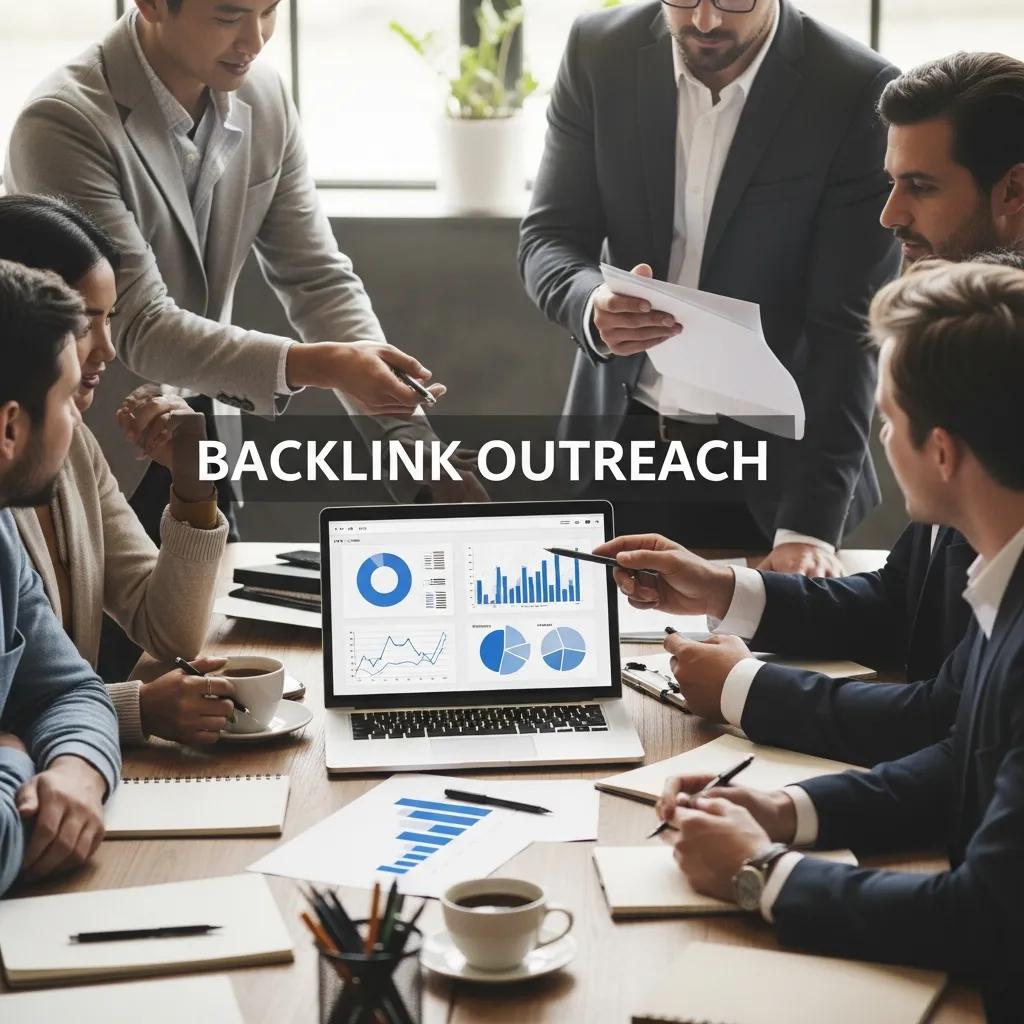
Backlink outreach is the process of identifying relevant websites, creating valuable content, and securing editorial links to improve search engine visibility. This guide outlines standard prospecting workflows, email outreach templates, and link-building tactics including guest posting, broken link building, and the skyscraper technique.
What are the Top Backlink Outreach Strategies for 2026?
In 2026 the most reliable outreach mixes editorial relevance, datailed storytelling, and relationship building — not mass blasting. These approaches create durable links and trust signals search engines reward. The best tactics build topical authority, serve journalist or editor needs, and scale through focused prospecting rather than pure volume.
Below are the highest-impact strategies followed by a compact comparative EAV table to help you pick a tactic based on difficulty, expected response rate, tooling, and ideal use case.
- Digital PR: Wins high-authority editorial links through newsworthy data, studies, or expert commentary.
- Guest Posting: Adds topical relevance and contextual links on niche sites while controlling anchor use.
- Skyscraper Technique: Rebuilds and improves popular content, then promotes it to known linkers for higher conversion.
- Broken Link Building: Replaces dead resources with a relevant asset to capture existing link equity.
- HARO & Influencer Outreach: Earns mentions and niche authority by answering journalist queries and partnering with creators.
- Resource Pages & Editorial Requests: Targets curated pages and editors with a clear, easy value exchange.
| Strategy | Difficulty | Expected Response Rate | Tooling Required | Best Use Case |
|---|---|---|---|---|
| Digital PR | High | Low-to-Moderate (but high-value links) | Media monitoring, press lists | Brand lifts and authoritative editorial links |
| Guest Posting | Moderate | Moderate | Backlink research, outreach CRM | Topical relevance and contextual placements |
| Skyscraper | Moderate-High | Moderate | Content analytics, backlink discovery | Long-form assets and high-value resource pages |
| Broken Link Building | Low-Moderate | Moderate-High | Site crawlers, backlink tools | Replace dead outlinks on resource pages |
| HARO / Influencer | Low-Moderate | Variable | Query monitors, influencer platforms | Quick editorial mentions and niche authority |
Quick take: Digital PR produces fewer but very high-impact links, while guest posting and broken link work deliver steadier wins with lower creative overhead. Mix these approaches based on goals and available resources.
Why does Guest Posting Still Work for Quality Backlinks?
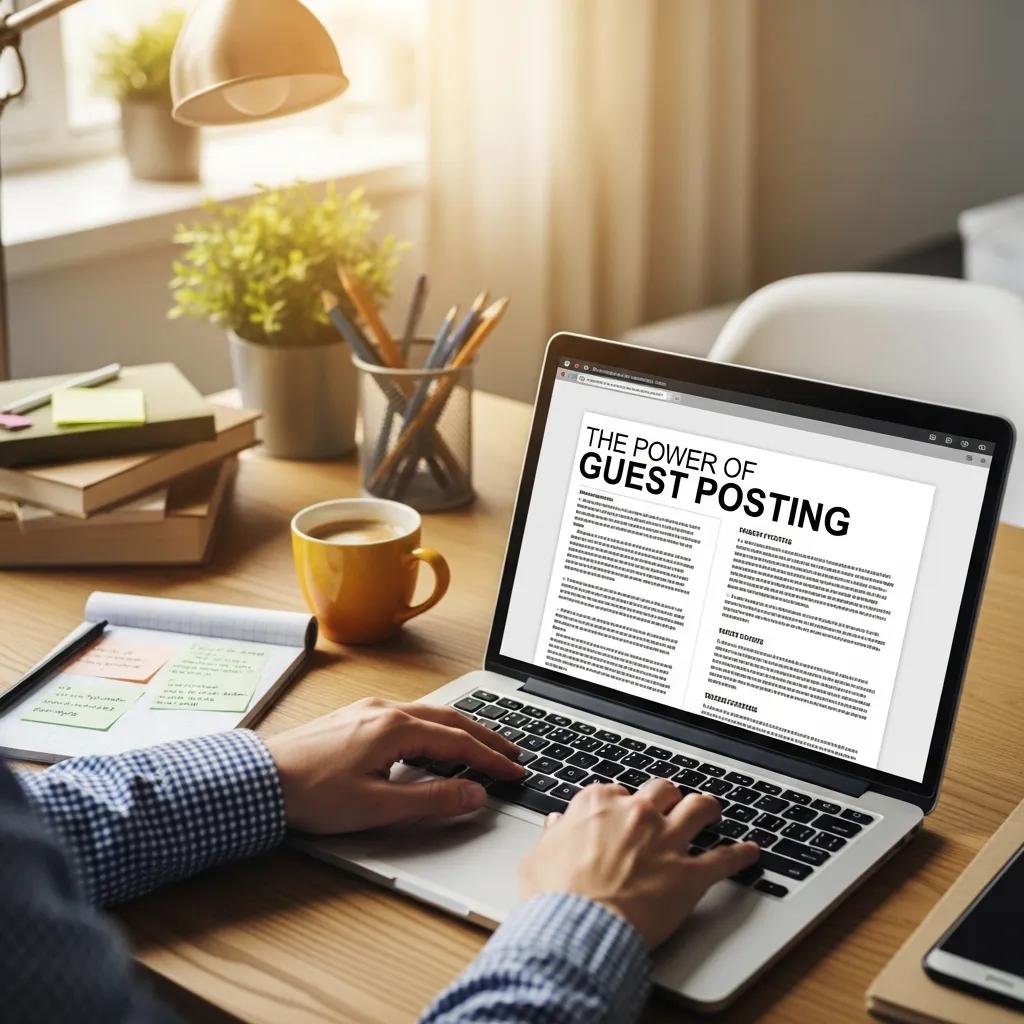
Guest posting works for quality backlinks because it allows you to place content on niche-relevant sites, earning editorial links that signal topical authority to search engines. A properly crafted guest article gives editors a natural, editorial spot for a link—driving referral traffic, topical signals, and domain credibility.
However, in line with Google’s Search Quality Rater Guidelines (QRG), earning high-quality backlinks in 2026 requires strict adherence to E-E-A-T (Experience, Expertise, Authoritativeness, and Trustworthiness):
- Experience & Expertise: Algorithms and human raters look for signals that content is produced by creators with genuine, hands-on knowledge. Guest contributions must feature credentialed authors, original insights, or unique data to prove topic mastery rather than regurgitating generic advice.
- Authoritativeness & Trust: A link is only as strong as the host domain’s reputation. Host sites should display clear topical focus, transparent author bios, accessible contact details, and editorial standards that prevent low-quality or paid link-farm placements.
Prioritize host sites with steady organic traffic and strong editorial standards over vanity metrics alone. When guest posts sit beside authoritative, E-E-A-T-aligned content, they pass stronger trust signals, reinforce your topical clusters, and safely boost rankings without triggering algorithm penalties.
If you want help turning that process into a repeatable campaign, our guest post link building service handles prospecting, placements, and contextual link strategy without leaning on spammy shortcuts.
Pitches that highlight original insights and propose angles tailored to the host’s readers convert faster. Editorial fit reduces back-and-forth, so invest in precise prospecting and personalization. The next section covers how to discover high-quality guest opportunities using search operators, competitor backlink analysis, and prospecting tools.
Read Guest Blogging for SEO: The Ultimate Guide to Driving Authority for an in-depth breakdown of driving domain authority through guest blogging tactics.
How do you Execute Guest Posting Successfully?
Successful guest posting follows a repeatable process: targeted prospecting, a crisp pitch, editorial content, and respectful follow-up. Start by identifying suitable hosts with targeted queries and competitor backlink analysis. Send a concise pitch that explains the idea, angle, and clear value for the host’s audience. Once approved, deliver a publish-ready draft that follows the host’s style and link rules. Finish with a polite thank-you and ongoing relationship management to turn one-offs into recurring collaborations.
- Prospecting & Qualification: Use search operators and backlink tools to build a list of sites that publish in your niche and accept contributors.
- Pitching: Open with a single-sentence value prop, offer two topic angles, and include one credential or data point proving relevance.
- Content Delivery: Submit a structured draft aligned with the host’s style, include natural internal links, and avoid over-optimized anchors.
- Follow-Up: Say thanks and share promotion assets (social images, short copy) to boost the post’s reach.
Domain Authority (DA) is a metric developed by Moz that predicts a website’s ability to rank in search engine results. It is used in guest posting as a quick benchmark to evaluate the SEO value, editorial strictness, and potential traffic a host website can offer.
How Marketers Use DA to Qualify Opportunities?
- Benchmarking Quality: Sites with a DA over 50 are generally viewed as high-authority. A backlink from these domains passes stronger "link juice," which helps improve your own site's search rankings.
- Setting Outreach Thresholds: Many marketers establish a minimum DA threshold (e.g., DA 30+ or 40+) to automatically filter out link farms, spammy blogs, or neglected websites.
- Comparing Competitors: By using tools like Moz Link Explorer, you can compare prospective websites against each other to prioritize your outreach efforts.
- Negotiating Value: In the guest post market, DA frequently dictates cost. Higher DA sites often command higher sponsored placement fees, whereas sites near your own DA might accept free guest contributions in exchange for exposure.
Important Caveats When Relying on DA
- Relevance Trumps Authority: A guest post on a DA 35 site that is highly relevant to your exact niche is usually more valuable for acquiring targeted traffic and building topical authority than a post on an unrelated DA 70 site.
- Verify with Real Traffic: DA is an estimate, not a guarantee. Always cross-reference DA with organic traffic metrics using tools like Semrush to ensure the site actually has an engaged audience.
This workflow reduces friction and raises placement rates. The sections that follow show where to source opportunities and include example templates for outreach and content.
Where do you Find High-Quality Guest Post Opportunities?
Combine manual search operators with competitor backlink analysis and tool filters to find receptive, authoritative hosts. Search for phrases like “write for us” plus niche keywords, then validate candidates in backlink tools for referring domains and traffic. Reverse-engineer competitor link profiles to see where peers earned placements — those sites often accept similar contributions. Prioritize prospects by topical relevance, traffic, and editorial quality so your outreach targets the highest probability wins.
Also scan author bylines to spot repeat contributors, watch social channels for calls for submissions, and use content aggregators to find active blogs. A prioritized prospect list feeds an efficient pitching workflow.
What are the Best Practices for Guest Post Writing & Outreach?
Keep pitches and content focused on the host’s audience: be concise, useful, and respectful of editorial norms. Open outreach with a short note referencing a recent host article, add a one-line value proposition, and include a brief bio with relevant credentials. For the article, use clear subheadings, cite data, and include actionable takeaways; limit links to one contextual placement and add an informative author bio when allowed.
Timing and personalization matter: reach out during the editor’s typical submission window and reference recent content to show genuine familiarity. After publication, provide promotional snippets to increase reach and strengthen the relationship for future opportunities. These same personalization habits carry over to broken link outreach, which uses a similar targeted approach.
What is Broken Link Building and How To Do It?
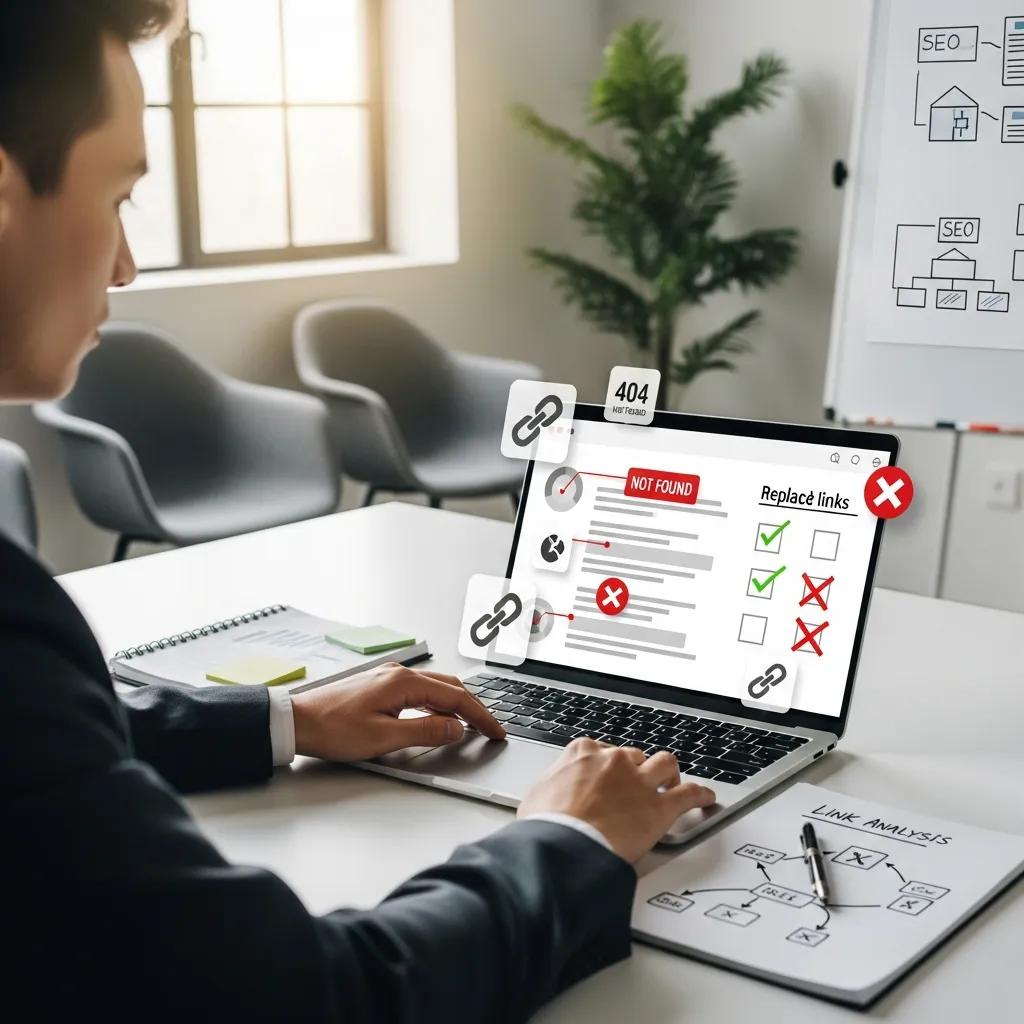
Broken link building finds authoritative pages that link to dead resources and offers a relevant replacement from your site — capturing existing link equity and improving UX. The workflow: discover broken links, qualify the host page (referring domains, traffic), prepare or identify a matching resource, then send a short outreach note. The pitch is a simple value exchange: replace a non-working link with a live, useful asset. Keep messaging polite, specific, and easy to action for the site owner.
Tools speed discovery and qualification so teams can scale while staying relevant. Below is a tools comparison and a short outreach template to operationalize the broken link process.
Different prospecting and outreach tools offer trade-offs; pick a combination that fits your team’s capacity and scale needs.
| Tool | Primary Use | Strengths / Limitations |
|---|---|---|
| Backlink Explorer | Discover broken external links | Strength: comprehensive backlink data; Limitation: requires subscription |
| Site Crawler | Bulk detect 404s and redirect chains | Strength: fast discovery; Limitation: needs configuration for large sites |
| Outreach CRM | Manage sequences and personalization | Strength: automation + tracking; Limitation: risk of impersonal templates if misused |
In practice, a mixed stack — discovery, qualification, outreach management — smooths the broken link workflow and preserves personalized messaging.
Which Tools Help Identify Broken Link Opportunities?
A few tool types reliably surface broken link chances and speed qualification by listing outbound 404s and backlink origins. Backlink explorers show which pages linked to a dead URL so you can prioritize high-value hosts. Site crawlers and browser extensions reveal on-page 404s quickly, and outreach CRMs keep follow-up organized once you’ve identified prospects. Filter candidates by topical relevance, referring domains, and traffic to find the best replacement targets.
Use tools iteratively: discover candidates, validate authority and audience fit, then match or create a replacement asset before outreach. The next subsection offers sample phrasing for broken link requests.
How to Craft Outreach Emails for Broken Link Building?
Keep broken link outreach short and specific: point to the exact broken URL, propose a clear replacement, and explain the benefit to the host’s readers. Open with a one-sentence heads-up about the dead link, follow with one line describing your replacement and why it fits, then close with a courteous, easy-to-accept ask. Aim for 70–100 words on first contact and send one follow-up after 5–7 days that either restates value or adds an incentive like updated data or visuals.
A single concise template plus one thoughtful follow-up maximizes conversion without being intrusive. Personalize by naming the article or paragraph where the link would fit — specificity cuts friction and raises acceptance. These same mechanics power effective skyscraper outreach, covered next.
How does the Skyscraper Technique Boost Backlink Acquisition?
The Skyscraper Technique finds widely linked content, creates a significantly better version, then promotes it to the original linkers and related curators. Because linkers prefer higher-value resources, an upgraded asset — deeper analysis, fresher data, stronger visuals — increases the chance they’ll link to your version. Assess a topic’s potential by checking search demand, backlink volume, and content gaps before you invest.
A typical skyscraper project has three stages: pick linkable assets, produce a superior resource that adds unique value, and target outreach to prior linkers and relevant curators. The following subsections walk through identifying candidates and crafting outreach that converts.
How to Identify Linkable Assets for Skyscraper Content?
Scan competitors’ top pages for backlink counts, social traction, and evergreen search interest — these signal proven linker demand. Look for pieces with many referring domains but outdated data, thin visuals, or structural weaknesses your asset can fix. Use backlink analysis to list original linkers — they’re your primary outreach targets — and validate audience fit by checking topical overlap and potential referral uplift.
Choose assets that balance high linking interest with a feasible improvement scope so production resources go toward content with real backlink potential. After choosing assets, build an outreach sequence that highlights the concrete improvements.
What are the Outreach Best Practices for the Skyscraper Technique?
When promoting skyscraper content, lead with what you improved — new data, expanded sections, better visuals — and why it better serves the audience than the original. Call out the specific section you upgraded and include a short metric or visual preview to prove value. Sequence outreach with an initial personalized email, a short reminder that adds an asset (infographic or excerpt), and a final value-add follow-up highlighting early social proof or uptake.
Targeted lists of prior linkers and resource curators convert far better than mass outreach. The same principle — relevance, brevity, and personalization — applies to general email outreach practices covered next.
Learn how to find clients using outreach in our comprehensive guide.
Why is Email Outreach Essential for Manual Link Building?
Email outreach remains central to manual link building because it enables direct, personalized contact with site owners and editors — negotiation, clarification, and relationship building that automation can’t replace. Well-targeted, personalized outreach demonstrates topical fit and immediate value and underpins guest posting, skyscraper promotion, and broken link replacement. Benchmarks vary by tactic, but realistic expectations keep teams focused: initial reply rates for tailored outreach typically fall in the 10–30% range, with lower link acquisition rates depending on asset quality.
Balance automation and manual personalization: use automation for list management and sequencing but personalize the first touch and key follow-ups. The table below lists useful KPIs and practical targets for link campaigns.
| KPI | Measurement Method | Target / Benchmark |
|---|---|---|
| Reply Rate | Replies / Emails Sent | 10–30% (personalized outreach) |
| Link Acquisition Rate | Links Earned / Outreach Sent | 1–5% (varies by tactic) |
| Domain Quality | Average DR/DA of linked sites | Aim for progressive improvement over time |
| Time to Link | Days from outreach to live link | 14–60 days (depends on editorial cycles) |
Track these KPIs to measure progress and set realistic internal targets. The following H3s dig into personalization tactics and follow-up cadences that lift these numbers.
How do you Personalize Backlink Outreach Emails for Better Response Rates?
Personalization rests on three pillars: topical reference (cite a specific article or section), a tight value proposition (what your resource adds), and a brief credential or social proof (why you’re credible). Tactics that work: reference a recent post, quote a relevant line to show you read it, and suggest the exact insertion point for your link. Small details — like naming the paragraph where a link would belong — lower the recipient’s effort and raise acceptance.
Use personalization tokens sparingly and write the opening two sentences like you’re speaking to a colleague. That human tone plus specificity reliably boosts reply and link rates. These techniques guide your follow-up cadence and messaging in later touches. We have put together some outreach email templates to help get you started.
What Follow-Up Strategies Improve Link Conversion?
Follow-ups matter when they’re short, add incremental value, and respect the recipient’s time. A simple three-step cadence works well: initial short pitch, one reminder after 5–7 days, and a final value-add after another 7–10 days. Keep each follow-up under three sentences and either restate the benefit or offer something new — an updated stat, a visual, or social proof. After three concise attempts, mark the prospect passive and revisit later with fresh value.
This disciplined follow-up keeps relationships positive and preserves sender reputation, which improves future outreach performance. With outreach mechanics and measurement covered, the final major area is how influencers and HARO fit into a diversified backlink program.
How does Influencer Marketing and HARO Strengthen Your Backlink Profile?
Influencer collaborations and HARO responses can drive authoritative mentions and editorial links by putting your expertise in front of trusted voices. Influencer partnerships produce links when collaborations create editorial-style content (interviews, co-created resources) that hosts will link to. HARO connects you with journalists who may cite your quote or data and include a high-authority backlink. Both channels demand speed, clear relevance, and concise, sourceable contributions.
Success requires screening partners and a rapid-response workflow that highlights credentials and provides quotable insight. The next subsections cover how to pick influencers and how to use HARO effectively.
How to Identify and Work with Influencers for SEO
Prioritize topical relevance and audience overlap over vanity metrics; micro-influencers often drive better engagement and contextual links than broad-reach creators. Collaboration formats that commonly result in links include co-authored guides, expert roundups, interviews, and guest articles on the influencer’s channels. Set expectations up front — deliverables, timeline, and link attribution — in a short agreement to avoid confusion.
Choose partners for audience fit and content quality to create sustainable backlinks and referral traffic. Clear compensation or mutual promotion plans speed approvals and distribution.
What Is HARO and How to Use It for High-Authority Links?
HARO (Help a Reporter Out) connects journalists with expert sources; used well, it yields media mentions that often include high-authority backlinks. Monitor relevant query categories, respond quickly with concise, sourceable answers, and add a one-line credential to establish authority. Tailor each response to the journalist’s question and provide a clear, quotable insight or data point.
Speed and relevance win: prioritize niche matches, keep a short template for rapid customization, and log responses so you can follow up when pieces publish. Track HARO outcomes to measure media link ROI and refine your responses over time.
BKThemes can help teams scale and run these outreach channels if you prefer to outsource execution. As a lead generation and information hub focused on web development, design, SEO, and digital marketing, BKThemes offers managed Ethical Link Building and a Bulk Backlinks option to scale outreach within white-hat boundaries. Our services include hands-on prospecting, sequence management, and measurement to align link acquisition with organic growth goals.
For teams that need help choosing tactics, building a tool stack, or running ongoing campaigns, BKThemes’ managed services deliver tactical execution while preserving editorial quality and relevance. When evaluating providers, insist on transparent prospecting, clear editorial fit, and KPI reporting that includes referring domains and conversion metrics.
Frequently Asked Questions About Backlink Outreach?
Conclusion
Effective backlink outreach combines targeted prospecting, clear value, and respectful relationship building. Focus on editorial relevance, quality assets, and measured outreach — that mix produces sustainable links and meaningful SEO growth. Use the tactics in this guide to refine your approach, measure what matters, and scale the channels that work for your site. Ready to improve your backlink profile?
About the Author

Brian Keary
Founder & Lead Developer
Brian is the founder of BKThemes with over 20 years of experience in web development. He specializes in WordPress, Shopify, and SEO optimization. A proud alumnus of the University of Wisconsin-Green Bay, Brian has been creating exceptional digital solutions since 2003.
Expertise
Writing since 2003