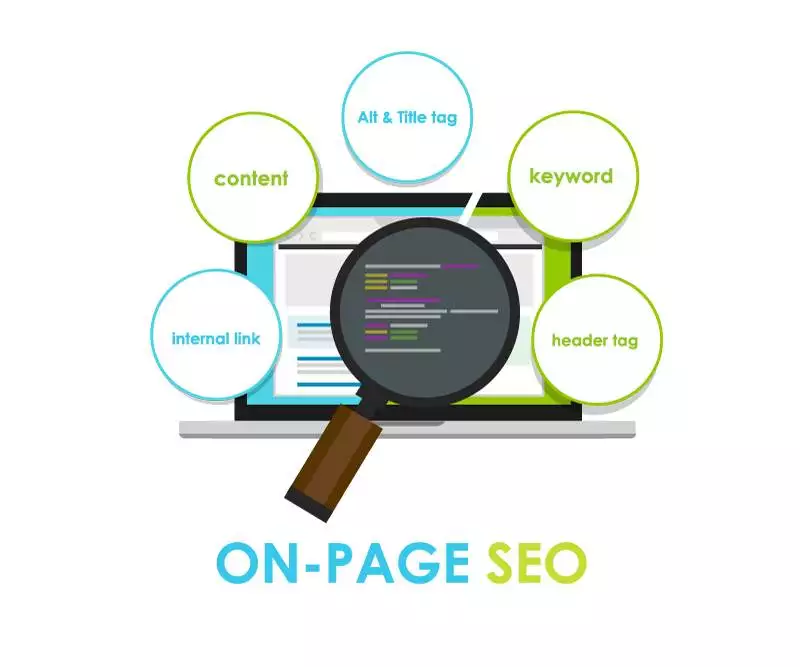
On-page SEO is the practice of optimizing individual web pages to rank higher and earn more relevant traffic from search engines. In 2026, this process requires a balance between technical foundation and user-centric content quality. This guide outlines the five essential strategies to improve your site's visibility and performance.
Introduction: On-Page SEO
Search engine optimization is no longer just about stuffing keywords into a page and hoping for the best. In 2026, the digital landscape has shifted toward a more nuanced, user-centric approach where the quality of the experience is just as important as the technical foundation. On-page SEO remains the absolute bedrock of search engine visibility. Without a solid, well-optimized page, even the most robust backlink profile will struggle to move the needle. When we talk about on-page SEO, we are essentially talking about the handshake between your content and the search engine crawlers. It is the practice of fine-tuning individual web pages to rank higher and earn more relevant traffic from search engines.
Since the early days of the internet, specifically around 2003 when search algorithms began to mature, the importance of structure and relevance has only grown. Today, experts like Brian Keary emphasize that successful optimization is not just about pleasing an algorithm; it is about providing genuine value to humans. Whether you are running a store on Shopify or managing a content-heavy site on WordPress, the core principles of on-page optimization remain remarkably consistent. By focusing on the right techniques, you can ensure that your site provides a seamless, authoritative, and fast experience that Google and other search engines will naturally want to reward.
Prioritizing the User Experience
At its core, on-page SEO is the foundation for search engine visibility and user experience. If a visitor lands on your site and finds it confusing, slow, or irrelevant, they will leave immediately. This behavior sends a signal to search engines that your content might not be what the user was searching for. To avoid this, you must write for humans first. While it is tempting to chase trends, the most sustainable strategy involves focusing on original, in-depth information that answers the specific questions your audience is asking.
When you create content, consider the intent behind the search. Are users looking to buy something, learn a new skill, or find a specific website? By aligning your content with this intent, you create a better experience that keeps users on your page longer. This is where Search Engine Optimization principles transition from technical requirements to user satisfaction metrics. When your content is clear, well-structured, and genuinely helpful, you naturally improve your standing in the eyes of search engines.
The Power of the First 100 Words
One of the most effective ways to signal relevance to search engines is the strategic placement of your primary keywords. While keyword stuffing is a relic of the past, placing your target keywords within the first 100 words of a page is still a best practice. This provides immediate context to both the visitor and the search engine crawler, confirming that the page is indeed about the topic they searched for.
Think of this as your "elevator pitch." When a user clicks through from a search result, they want to know within seconds that they have arrived in the right place. By introducing your main topic early, you reduce bounce rates and encourage deeper engagement. However, keep it natural. The goal is to provide a smooth introduction that leads the reader into the rest of your content.
Mastering Meta Descriptions for Click-Through Rates
A meta description is essentially your advertisement in the search engine results pages. Although it is not a direct ranking factor, it is a massive influence on your click-through rate. If your description is compelling, relevant, and accurate, users are far more likely to click on your link over a competitor's.
To maximize the impact, keep your meta descriptions under 160 characters. This ensures that the entire message is visible in the search results without being cut off by an ellipsis. Use this space to include a call to action or a summary of the unique value your page offers. Think of it as a brief, persuasive summary that invites the user to learn more. When done correctly, this small snippet can significantly increase the percentage of traffic that moves from the search engine results to your website.
Page Load Speed and Technical Performance
In our fast-paced digital world, patience is in short supply. Page load speed is a critical ranking factor that directly affects your bounce rates. If a page takes more than a few seconds to load, the majority of visitors will simply click the "back" button. Modern users expect a near-instant experience, and search engines like Google are heavily invested in promoting sites that meet these high standards.
Optimizing your site speed involves various techniques, such as compressing images, minifying CSS and JavaScript, and utilizing browser caching. Tools like Google’s PageSpeed Insights provide valuable feedback on where your site might be lagging. By minimizing the time it takes for your content to render, you create a frictionless experience that keeps visitors engaged and encourages them to explore more of your site.
Core Web Vitals are the specific, real-world metrics used by Google to measure web page speed, responsiveness, and visual stability. Google uses these three specific measurements as an official search engine ranking factor to judge the overall user experience of a website.
The three metrics included in Core Web Vitals are:
- Largest Contentful Paint (LCP): Measures loading performance. The main content of a page should load within 2.5 seconds of when the page first starts loading.
- Interaction to Next Paint (INP): Measures page responsiveness. The page should respond to user clicks or taps in 200 milliseconds or less.
- Cumulative Layout Shift (CLS): Measures visual stability. Pages should maintain a CLS score of less than 0.1 to prevent text or buttons from shifting unexpectedly.
Mobile-First Indexing and Responsive Design
Since mobile devices now account for a massive percentage of global web traffic, mobile-first indexing is the standard. This means that Google predominantly uses the mobile version of your website for indexing and ranking. If your site is not fully responsive, you are effectively invisible to a significant portion of your potential audience.
Responsive design is no longer an optional luxury; it is a mandatory requirement for any modern website. Your site must adapt seamlessly to various screen sizes, ensuring that text remains readable, buttons are easy to click, and navigation is intuitive on a phone, tablet, or desktop. If a user has to pinch and zoom to read your content, they will likely leave, and your search rankings will suffer as a result.
Leveraging Schema Markup for Rich Results
Schema markup is a powerful way to communicate directly with search engines. By adding this structured data to your HTML, you help search engines understand the context of your content, which can lead to the display of rich results. These are the enhanced snippets you often see in search results, such as star ratings for reviews, pricing information for products, or dropdown menus for FAQs.
Rich results make your search listing stand out visually, which almost always leads to a higher click-through rate. For instance, if you are running an e-commerce store, schema markup can display the price and availability of your products directly in the search results. For informational blogs, it can pull your FAQ section into the results page, providing quick, useful answers that establish your authority before the user even clicks your link.
E-E-A-T: The Gold Standard for Content Quality
Google places an immense emphasis on E-E-A-T, which stands for Experience, Expertise, Authoritativeness, and Trust. This framework is used by search evaluators to determine the quality of a page. To score well in these areas, your content should demonstrate that it was created by someone with real-world experience or deep knowledge of the subject.
For example, a medical article written by a doctor is viewed as more authoritative than one written by a general content creator. You can build trust by including author bios, citing reputable sources, and maintaining a professional tone. Research from institutions like the University of Wisconsin-Green Bay often highlights the value of academic rigor and structured information, and you can apply similar principles to your content by ensuring your facts are accurate, well-cited, and logically organized.
Refreshing Old Content for Continued Success
One of the most overlooked strategies in SEO is the maintenance of existing content. You do not always need to create something new to improve your rankings. Refreshing old content with updated statistics, new links, and current information can breathe new life into an underperforming page.
Search engines love fresh content. When you update a post from a few years ago with data from 2026, you signal that the page is still relevant and accurate. This process often involves checking for broken links, adding new multimedia elements, and ensuring that the advice provided is still current. It is a highly efficient way to maximize the value of the work you have already done.
The Architecture of Internal Linking
Internal linking is the glue that holds your website together. It helps both users and search engines navigate your site architecture by creating a logical path between related topics. When you link from a high-authority page to a newer or deeper page on your site, you are essentially passing "link juice" and authority to that page, which can help it rank better.
Furthermore, internal links help search engine crawlers discover your content more efficiently. By creating a clear hierarchy—linking from your homepage to category pages, and then to specific articles—you make it easy for Google to understand the structure of your site. This also keeps users on your site longer by providing them with relevant, clickable paths to more information.
Targeting Featured Snippets
Featured snippets are the "position zero" results that appear at the very top of the search engine results page. These are highly coveted because they provide the user with an immediate answer to their question. To target these snippets, focus on providing clear, concise answers to common queries.
Structure your content with clear headings and use lists or bullet points where appropriate. A good rule of thumb is to provide a direct, 40 to 60-word answer to a specific question, followed by a more detailed explanation. This format is highly favored by Google’s algorithms, as it allows them to easily extract the information and display it as a snippet. By anticipating the questions your audience asks and answering them directly, you increase your chances of claiming this prime real estate.
The Role of Multimedia in Engagement
Content is not just about text. Multimedia elements like videos, infographics, and interactive charts significantly increase the time users spend on your page. When a user watches a video or studies an infographic, they are engaging with your content on a deeper level. This increased "dwell time" is a strong signal to search engines that your page is providing value.
Platforms like YouTube offer excellent opportunities to embed video content directly into your articles. A well-produced video can explain complex concepts in a way that text sometimes cannot, catering to different learning styles. When you combine high-quality text with visual aids, you create a comprehensive resource that is much more likely to be shared and linked to by others in your industry.
Why Technical SEO Cannot Be Ignored
While we have focused heavily on content, it is important to remember that technical SEO is the foundation upon which your content sits. If your site has crawl errors, broken redirects, or security issues, your content will struggle to reach its potential. Ensuring your site is secure (using HTTPS), has a clean site map, and is free of duplicate content issues is essential.
Think of your website as a physical store. Your content is the products on the shelves, while your technical SEO is the building itself—the lights, the doors, and the signage. If the building is falling apart, it does not matter how good the products are; customers will not stay. By keeping your technical foundation solid, you ensure that your high-quality content has the best possible chance to be indexed and ranked correctly.
The Future of Search and Your Strategy
As we look toward the remainder of 2026, the trend toward AI-driven search results and semantic understanding will only continue. Search engines are getting better at understanding the "why" behind a search, not just the "what." This means that your focus should remain on delivering a high-quality, trustworthy, and fast experience that addresses the user's needs directly.
By following the 15 On-Page SEO Techniques that define modern excellence, you can build a site that stands the test of time. Remember that SEO is a marathon, not a sprint. Consistently applying these strategies—optimizing your meta tags, improving speed, building internal links, and creating human-first content—will yield results that grow over time.
Frequently Asked Questions
Why is on-page SEO still important in 2026?
On-page SEO is the primary way you communicate the value and relevance of your content to search engines. Even with advancements in AI and machine learning, search engines rely on the structure, keywords, and quality signals present on your pages to determine where you should rank. Without these signals, your site remains invisible to your target audience.
How many words should a meta description be?
You should aim to keep your meta descriptions under 160 characters. This length ensures that your entire message is displayed in the search results without being truncated. A well-crafted description within this limit acts as an effective ad that can significantly improve your click-through rate.
What is the most important factor for page speed?
While there are many factors, minimizing the size of your assets—such as compressing images and minifying code—is often the most impactful way to improve page speed. Large, unoptimized images are the most common culprit for slow load times. Using modern formats like WebP and implementing lazy loading can make a massive difference.
How does internal linking help SEO?
Internal linking helps search engines understand the structure of your website and discover new content. By creating logical connections between related pages, you distribute authority across your site and help crawlers index your pages more effectively. For users, it provides an easy way to navigate your site and find more relevant information, which keeps them engaged longer.
What is E-E-A-T and why does it matter?
E-E-A-T stands for Experience, Expertise, Authoritativeness, and Trust. It is a framework used by Google to evaluate the quality of content. It matters because search engines prioritize content that is created by credible sources. By demonstrating your expertise and building trust through accurate, well-researched content, you increase your chances of ranking for competitive terms.
Can multimedia really improve search rankings?
Yes, multimedia improves search rankings indirectly by increasing the time users spend on your page. When a user engages with a video or an infographic, they are spending more time consuming your content. This "dwell time" is a positive signal to search engines that your page is relevant and high-quality, which can lead to higher rankings over time.
How can you master on-page SEO in 2026?
Success in the digital space requires a balance between technical precision and human-focused content. By mastering the fundamentals of on-page SEO—from the first 100 words to the technical structure of your site—you create a platform that is primed for growth. In 2026, the most successful websites will be those that prioritize the user experience, demonstrate clear expertise, and maintain a high standard of technical performance. Stay consistent, keep your content updated, and continue to provide the value your audience is searching for. By following these essential strategies, you lay the groundwork for long-term visibility and authority in your industry.
About the Author

Brian Keary
Founder & Lead Developer
Brian is the founder of BKThemes with over 20 years of experience in web development. He specializes in WordPress, Shopify, and SEO optimization. A proud alumnus of the University of Wisconsin-Green Bay, Brian has been creating exceptional digital solutions since 2003.
Expertise
Writing since 2003