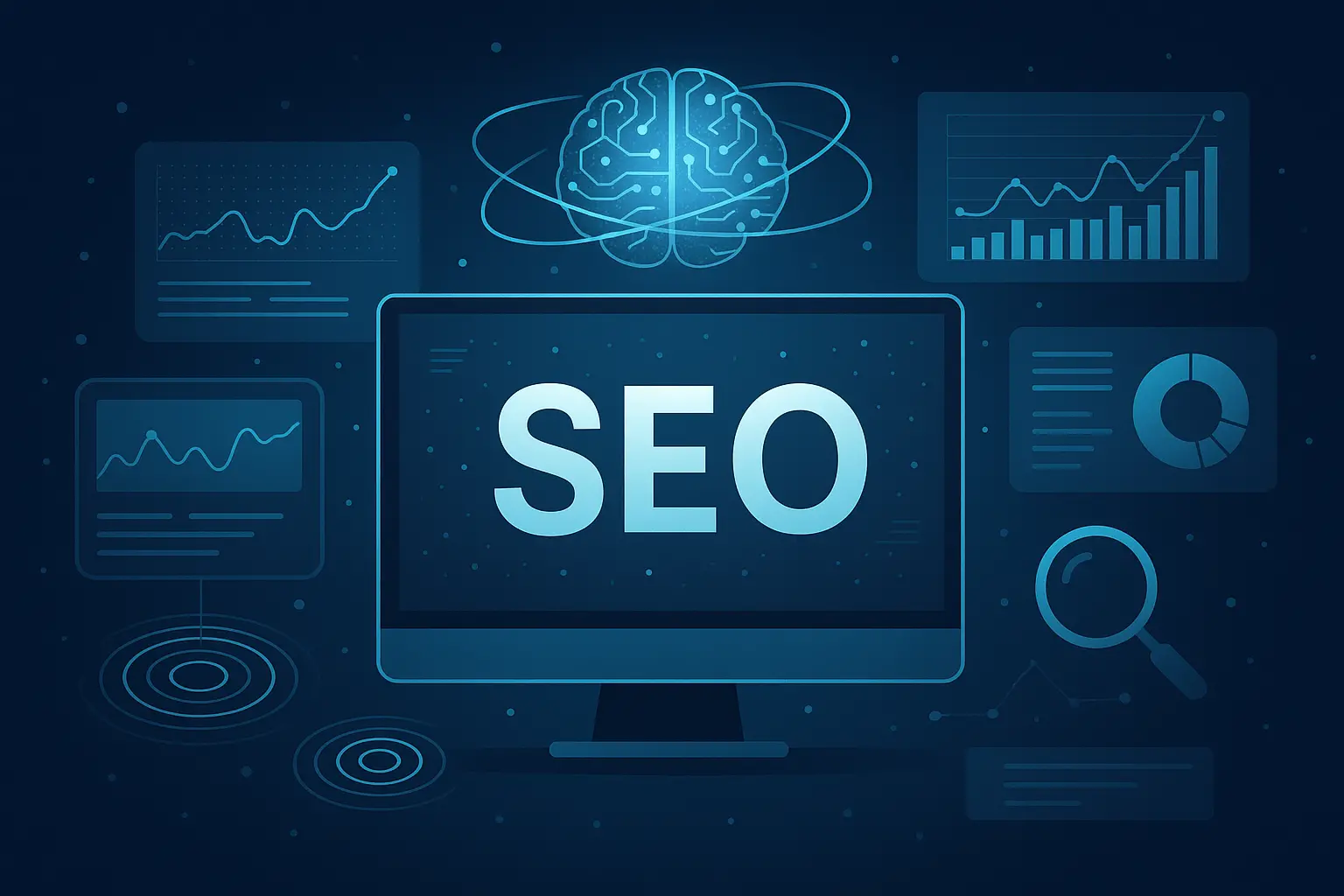
Modern SEO has shifted from keyword stuffing to an AI-driven framework focused on entity authority, user intent, and conversational search. This actionable guide details the 10 most effective SEO strategies for 2026—including AI content clustering, zero-click optimization, and Core Web Vitals—complete with step-by-step implementation instructions.
Understanding the SEO Landscape in 2026
The SEO environment of 2026 is more intelligent and dynamic than ever. With Google’s continuous evolution toward AI-enhanced algorithms, such as MUM (Multitask Unified Model) and Search Generative Experience (SGE), search engines no longer just crawl keywords — they understand them.
User-centric metrics like dwell time, interaction depth, and engagement intent now influence rankings as much as backlinks once did. Successful SEO in 2026 requires blending technical precision with emotional intelligence — understanding how people search, why they click, and what keeps them engaged.
Learn how to do SEO in our step-by-step video.
Core SEO Fundamentals Still Going Strong
Despite the rapid evolution, the foundation of SEO hasn’t changed: create great content, offer great user experience, and optimize smartly.
Quality Content Creation and E-E-A-T Optimization
E-E-A-T (Experience, Expertise, Authoritativeness, Trustworthiness) remains the backbone of SEO credibility. Search engines prioritize real-world expertise — blog posts written by verified experts or brands with consistent digital footprints rank significantly higher.
User Intent Optimization
Matching search intent is more important than keywords alone. Use tools like NeuronWriter or SurferSEO to analyze intent clusters and rewrite pages to address what users really seek — not just what they type.
What is Google's Search Generative Experience?
Google's Search Generative Experience (SGE)—now integrated directly into Google Search as AI Overviews—fundamentally shifts user interaction on the Search Engine Results Page (SERP) from a link directory model to a conversational, direct-answer experience.
1. SGE Shifts Interaction from "Search & Click" to "Read & Refine"
- Zero-Click Satisfaction: Instead of scanning titles and meta descriptions to click through to 2–3 websites, users get synthesized, direct multi-source answers right at the top of the SERP.
- Conversational Follow-ups: SGE introduces a "conversational mode" where users can ask follow-up questions without re-typing their initial context. The search journey becomes a back-and-forth dialogue on Google rather than multiple distinct site visits.
2. Visual & Structural Changes in User Focus
- Above-the-Fold Dominance: The AI Overview snapshot occupies the majority of the screen (especially on mobile). Traditional "Position 1" organic listings are pushed further down the page, shifting user visual attention away from classic blue links.
- Carousel & Source Pill Interaction: SGE embeds source link "pills" or visual carousels directly inside or next to the generated response. Users now evaluate links based on how they contextually support specific claims in the summary, rather than reading standalone snippets.
3. Intent & Complex Query Execution
- Multi-Intent Handling: Instead of forcing users to split complex queries into multiple searches (e.g., "Best family cars under $30k with good gas mileage"), SGE parses nuanced, long-tail questions in a single pass.
- Integrated Vertical Experiences: For commercial or local intent, users interact with inline comparison tables, dynamic product filters, and interactive maps directly within the AI-generated snapshot.
2026’s Most Popular SEO Tricks You Must Try
1. AI-Powered Content Clustering
AI-driven topic clustering helps build topical authority — linking related pages to reinforce expertise in a niche. Tools like MarketMuse and Frase can automatically map related topics and internal links.
2. Predictive Search Optimization
Google Discover and predictive results rely on behavioral AI. Create evergreen, interest-based content optimized for high engagement metrics, such as video previews or carousel-style headlines.
3. Voice Search & Conversational Queries
Data from industry studies confirms that roughly 58% to 60% of Google searches conclude directly on the Search Engine Results Page (SERP) without the user ever clicking through to an external website. This phenomenon is driven by:
- AI Overviews: Google's generative AI features answer questions directly at the top of the screen. AI Overviews now appear on a massive portion of searches, absorbing user attention.
- Instant Snippets & Knowledge Panels: Information like weather, fast facts, calculations, and local business hours are displayed upfront, satisfying the query instantly.
- Shift to Quality Over Volume: Even though overall website traffic from organic search is declining due to this 60% zero-click rate, early data indicates that users who do click through from AI engines tend to have much higher buying intent.
4. Zero-Click SERP Optimization
Dominate “People Also Ask,” featured snippets, and Google’s knowledge panels by structuring concise answers early in your posts.
5. Video SEO & Visual Search Integration

Use descriptive filenames, captions, and AI-generated transcripts for video SEO. Google Lens and TikTok search trends also feed into 2026’s visual discovery systems.
6. Programmatic Internal Linking
Leverage tools like LinkWhisper or AI scripts to build contextual internal links automatically, improving site navigation and index depth.
7. Core Web Vitals & UX Metrics Update
In March 2024, Google expanded Core Web Vitals to include Interaction-to-Next-Paint (INP) and Scroll Stability — rewarding fast, stable, engaging pages.
8. Schema Markup Automation
Automate schema generation with plugins like RankMath or SchemaApp to appear in rich results and product snippets.
9. Semantic Entities and Knowledge Graph Expansion
Build brand authority by connecting your name, content, and mentions across web sources — expanding your entity presence in Google’s Knowledge Graph.
10. Local SEO with AI-Personalized Search
Optimize for micro-locations and “near me” queries using geo-targeting. Personalization now tailors results per device, time, and history.
Step-by-Step Guide: How to Apply These SEO Tricks
Here’s how to execute the above tricks like a pro:
- Audit your site using Ahrefs or Screaming Frog: Run a full technical and content crawl to catch indexing issues, broken links, orphan pages, and slow assets. Map out your site structure to identify which high-value pages lack clear parent-child relationships or suffer from content decay.
- Cluster your keywords into semantic groups with AI: Group your target keywords into thematic intent clusters rather than targeting single search phrases. Use AI content tools to analyze top-ranking SERPs, map out primary entities, and construct parent-topic hubs supported by detailed supporting articles.
- Reoptimize top pages using E-E-A-T-driven writing: Refresh your highest-performing pages by embedding first-hand experience, author bios, original data, and verified expert commentary. Align the content directly with the target query's primary user intent using structured optimization platforms like SurferSEO.
- Add schema & structured data for rich snippets: Implement automated structured data using plugins like RankMath. Prioritize key schema types—such as
Article,FAQPage,Product, andHowTo—to qualify for Google rich snippets, PAA accordions, and AI Overview attribution. - Enhance internal links with automation tools: Strengthen site-wide contextual authority by deploying automated internal linking tools like LinkWhisper. Build bidirectional links between supporting pillar content and hub pages to pass link equity and improve index depth.
- Track progress with Google Search Console & GA4: Set up custom monitoring dashboards to track non-brand organic impressions, click-through rates (CTR), and conversion events. Keep a close eye on user engagement signals like Interaction-to-Next-Paint (INP) and scroll stability to verify both technical and content health.
What Are the Most Critical SEO Mistakes to Avoid in 2026?
In the rapidly evolving SEO landscape of 2026, certain pitfalls can significantly hinder your performance. Here are the most critical mistakes to avoid:
- Avoid over-automation — balance AI help with human touch.
- Don’t ignore user intent signals like bounce rate or engagement time.
- Skip outdated tricks like keyword stuffing and link exchanges.
Which SEO KPIs Should You Track in 2026?
To effectively measure SEO performance in 2026, focus on the following key performance indicators (KPIs):
- Organic impressions (Google Search Console)
- SERP visibility score
- User engagement metrics (INP, CTR, dwell time)
- Branded search growth
How Will Search Engines and SEO Evolve Beyond 2026?
Expect more AI-generated search experiences and multimodal indexing (text, image, video). SEO will evolve into Search Experience Optimization (SXO) — optimizing every aspect of how users experience your brand online.
FAQs on SEO Tricks for 2026
Conclusion: Staying Ahead of the SEO Curve
The most popular SEO tricks for late 2026 reflect a new era of intelligence — one that blends data, AI, and user empathy. Stay agile, test frequently, and focus on genuine value creation. SEO success now means being both technically sound and emotionally resonant.
About the Author

Brian Keary
Founder & Lead Developer
Brian is the founder of BKThemes with over 20 years of experience in web development. He specializes in WordPress, Shopify, and SEO optimization. A proud alumnus of the University of Wisconsin-Green Bay, Brian has been creating exceptional digital solutions since 2003.
Expertise
Writing since 2003