
SEO is not just a buzzword; it's a critical strategy that ensures your digital presence is seen by the right audience at the right time. This comprehensive guide will demystify SEO, providing you with the knowledge and tools to climb the search engine rankings and drive sustainable organic traffic to your site.
What Exactly is SEO? A Foundational Understanding
SEO, or Search Engine Optimization, is the practice of increasing the quantity and quality of traffic to your website through organic search engine results. It’s about understanding how search engines work, what people search for, the actual words they use, and which websites they prefer to click on. Google, Bing, and other search engines use complex algorithms to determine the relevance and authority of web pages for specific queries.
The core goal of SEO is to improve your website's visibility. The higher your pages rank in search results, the more likely potential customers are to find your business. This isn't about paid ads; it's about earning your spot at the top through strategic optimization that satisfies both search engine algorithms and human users.
Why is SEO important for business growth?
SEO is indispensable because it drives sustainable organic traffic, builds brand credibility, and provides a cost-effective alternative to paid advertising.
- Increased Organic Traffic: The most obvious benefit. Higher rankings mean more clicks, translating directly into more visitors to your site. This traffic is highly valuable because it's comprised of users actively searching for your products, services, or information.
- Enhanced Credibility & Trust: Websites appearing on the first page of Google are often perceived as more credible and trustworthy. Users tend to trust search engines to deliver authoritative results, and being a top result transfers some of that trust to your brand.
- Better User Experience (UX): Good SEO practices often lead to a better user experience. Optimizing your site for speed, mobile-friendliness, and easy navigation not only pleases search engines but also keeps your visitors happy, reducing bounce rates and encouraging deeper engagement.
- Cost-Effectiveness: While SEO requires ongoing effort and investment, the organic traffic it generates is essentially "free" once you've earned it, unlike paid advertising which stops driving traffic the moment your budget runs out. Over time, SEO can offer a superior return on investment (ROI).
- Market Share & Competitive Advantage: In many industries, competitors are already investing in SEO. If you're not, you're ceding valuable market share. A robust SEO strategy allows you to compete effectively and even surpass competitors in search visibility.
- Long-Term Strategy: Unlike short-term advertising campaigns, the effects of strong SEO are cumulative and long-lasting. Rankings, once achieved, can be maintained with continued effort, providing a stable source of traffic for years.
"SEO is not just about search engines; it's about understanding what people are looking for, what content they need, and how they interact with information online. It’s a holistic approach to digital visibility."
See our SEO success Guide: Boost Rankings Fast. This video explains how to get your SEO on the fast-track.
The Three Pillars of SEO: A Deeper Dive
Effective SEO is built upon three interconnected pillars:
1. On-Page SEO: Optimizing Your Content & Website Elements
On-Page SEO refers to all the optimizations you can perform directly on your website to improve its search engine ranking. This involves optimizing both the content and the HTML source code of a page. Key components include:
- Keyword Research: This is the foundation of all SEO. Identifying the terms and phrases your target audience uses to search for your products or services. Tools like Google Keyword Planner, SEMrush, and Ahrefs are invaluable here. The goal is to find keywords with a good balance of search volume and manageable competition.
- High-Quality Content: Content is king. Your pages must provide valuable, relevant, and comprehensive information that directly addresses user intent. This includes blog posts, product descriptions, service pages, and landing pages. Google prioritizes content that is well-written, unique, and engaging.
- Title Tags: The title tag (
<title>) is one of the most important on-page SEO elements. It appears in the browser tab and as the clickable headline in search results. It should be concise, compelling, and include your primary keyword, ideally near the beginning. - Meta Descriptions: While not a direct ranking factor, a well-crafted meta description (
<meta name="description">) can significantly improve click-through rates (CTR) from the search results page. It's your "advertisement" that entices users to click. - Header Tags (H1, H2, H3, etc.): Properly structured headings (
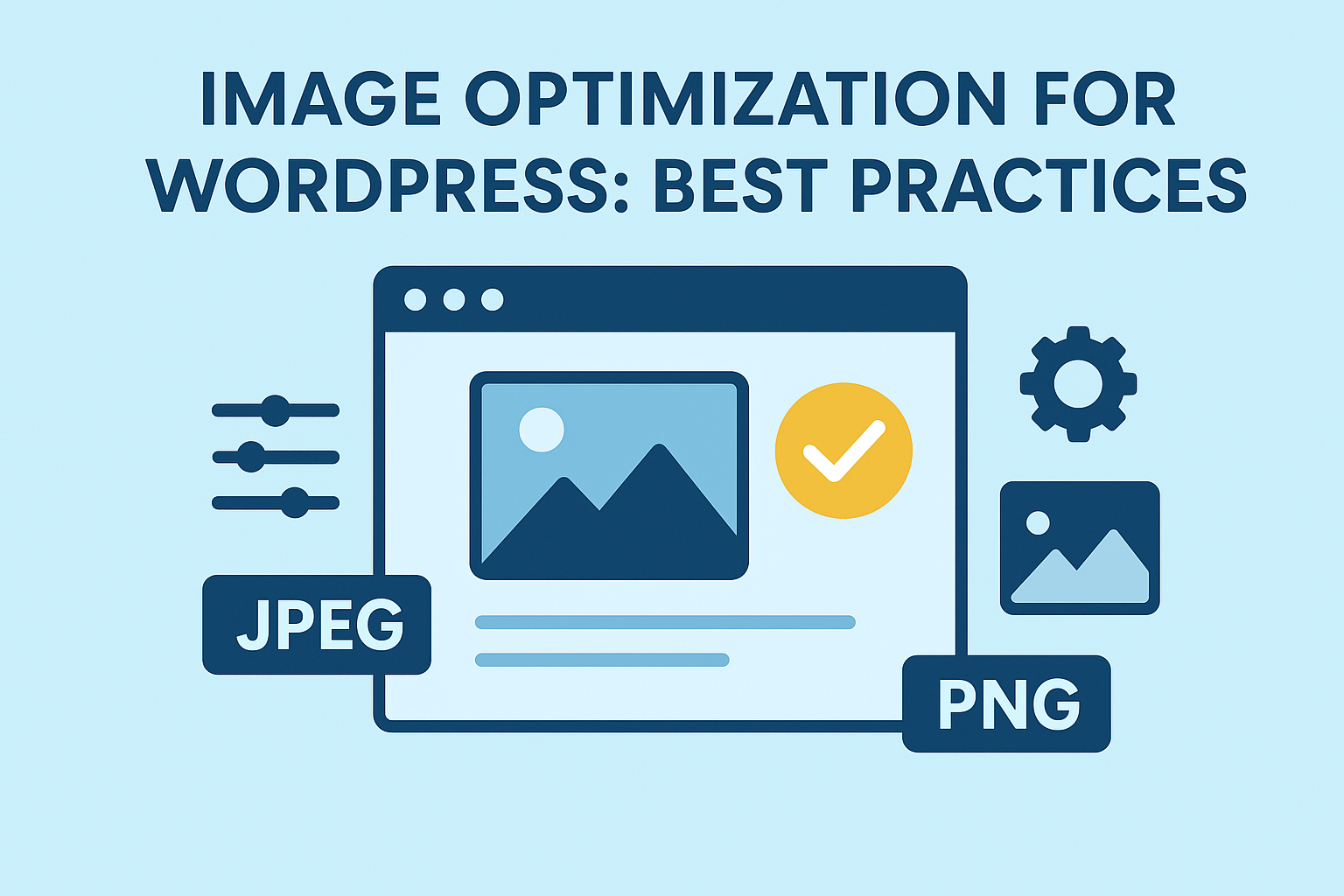
<h1>,<h2>,<h3>) help organize your content, making it easier for both users and search engines to understand the page's structure and main topics. Your H1 should contain your primary keyword, and subsequent H2s and H3s can include related keywords and subtopics. - Image Optimization: Images can enhance user experience, but they must be optimized for SEO. This includes using descriptive filenames, compressing images for faster loading, and most importantly, using descriptive
alttext. Alt text helps search engines understand the image content and provides accessibility for visually impaired users. - URL Structure: Clear, concise, and keyword-rich URLs are beneficial for SEO. They help users and search engines understand the page's topic at a glance (e.g.,
yourwebsite.com/blog/best-seo-tips). 8 Internal Linking: Linking to other relevant pages within your own website helps search engines discover your content, passes "link equity" between pages, and improves user navigation. This is a crucial element of a strong SEO strategy.
2. Off-Page SEO: Building Authority Beyond Your Website
Off-Page SEO encompasses all the activities you do outside of your website to improve its search engine ranking. It primarily focuses on building the authority and credibility of your domain.
- Backlink Building (Link Building): This is the cornerstone of off-page SEO. Backlinks are links from other websites to yours. Search engines view backlinks as "votes of confidence." High-quality, relevant backlinks from authoritative sites signal to search engines that your content is valuable and trustworthy. Strategies include guest blogging, broken link building, creating shareable content, and outreach.
- Social Signals: While social media shares and likes aren't direct ranking factors, they can indirectly influence SEO. Increased social engagement can lead to greater content visibility, more brand mentions, and potentially more organic links.
- Brand Mentions: When your brand or website is mentioned online, even without a direct link, search engines can pick up on these signals, contributing to your brand's authority and recognition.
- Local SEO: For businesses with a physical location, optimizing for local search is critical. This involves creating and optimizing your Google My Business profile, building local citations (mentions of your business name, address, phone number), and acquiring local reviews. Local SEO ensures your business appears in "near me" searches.
3. Technical SEO: Ensuring Search Engine Accessibility & Performance
Technical SEO focuses on website and server optimizations that help search engine spiders crawl, index, and render your site more effectively. It's about laying a strong technical foundation for your SEO efforts.
- Site Speed & Core Web Vitals: Page load speed is a critical ranking factor. Google's Core Web Vitals (Largest Contentful Paint, First Input Delay, Cumulative Layout Shift) measure the real-world user experience of loading performance, interactivity, and visual stability. Optimizing images, leveraging browser caching, and using content delivery networks (CDNs) are common strategies.
- Mobile-Friendliness: With most internet users browsing on mobile devices, having a responsive and mobile-friendly website is non-negotiable. Google uses mobile-first indexing, meaning it primarily uses the mobile version of your content for indexing and ranking.
- Crawlability & Indexability:XML Sitemaps: An XML sitemap lists all the important pages on your website, helping search engines discover and crawl your content more efficiently.
- Robots.txt: This file tells search engine crawlers which pages or sections of your site they should or shouldn't access. It's important for managing crawl budget and preventing private content from being indexed.
- Canonical Tags: These tags (
<link rel="canonical" href="...">) tell search engines which version of a page is the "master" copy, preventing duplicate content issues. - Schema Markup (Structured Data): Schema markup is a type of microdata that you add to your HTML to help search engines better understand the content on your pages. This can lead to rich snippets (enhanced search results with extra information like star ratings, recipes, or event details), which can significantly improve CTR.
- HTTPS (Security): Having an SSL certificate (HTTPS) encrypts data transmitted between a user's browser and your website, making it secure. Google has confirmed HTTPS as a minor ranking signal.
The SEO Process: A Step-by-Step Approach
Implementing SEO is an ongoing process, not a one-time task. Here's a typical workflow:
- Discovery & Audit: Start by performing a comprehensive SEO audit of your existing website. This identifies current strengths, weaknesses, technical issues, and opportunities. Analyze competitor SEO strategies.
- Keyword Research & Strategy Development: Based on your audit, conduct thorough keyword research to identify target keywords. Develop a content strategy around these keywords, mapping them to existing or new pages.
- On-Page Optimization: Optimize existing content and create new content using your target keywords. Refine title tags, meta descriptions, headings, image alt text, and internal links across your site.
- Technical SEO Implementation: Address any technical issues identified in the audit. Improve site speed, ensure mobile-friendliness, optimize crawlability with sitemaps and robots.txt, and implement schema markup.
- Off-Page SEO & Link Building: Begin a strategic link-building campaign. Reach out for guest posts, participate in online communities, and promote your content to earn valuable backlinks.
- Monitoring & Analysis: Use tools like Google Analytics and Google Search Console to track your progress. Monitor keyword rankings, organic traffic, bounce rates, and conversions. Identify what's working and what isn't.
- Refinement & Iteration: SEO is dynamic. Based on your analysis, refine your strategies, update old content, target new keywords, and adapt to algorithm changes. Continuous improvement is key.
Essential SEO Tools for Every Digital Marketer
Leveraging the right tools can streamline your SEO efforts and provide invaluable insights:
- Google Search Console: A free tool from Google that helps you monitor your site's performance in Google search results, identify crawl errors, submit sitemaps, and understand how Google sees your site. An absolute must-have for any SEO professional.
- Google Analytics: Another free Google tool, essential for tracking website traffic, user behavior, conversions, and much more. It helps you understand your audience and the effectiveness of your SEO campaigns.
- Google Keyword Planner: A free tool integrated with Google Ads, useful for discovering new keywords, analyzing their search volume, and assessing competition.
- SEMrush / Ahrefs / Moz Pro: These are comprehensive paid SEO suites offering a wide range of features including keyword research, competitor analysis, backlink analysis, site audits, rank tracking, and content marketing tools. They are invaluable for advanced SEO strategies.
- Screaming Frog SEO Spider: A desktop program that crawls websites' links, images, CSS, script, and apps from an SEO perspective. It helps identify broken links, redirect chains, duplicate content, and other technical SEO issues.
- PageSpeed Insights: A free Google tool that analyzes your page's content and provides suggestions to make that page faster. Directly relates to Core Web Vitals.
Common SEO Mistakes to Avoid
Even experienced marketers can fall victim to common SEO pitfalls. Steering clear of these can save you a lot of headache and potentially penalties:
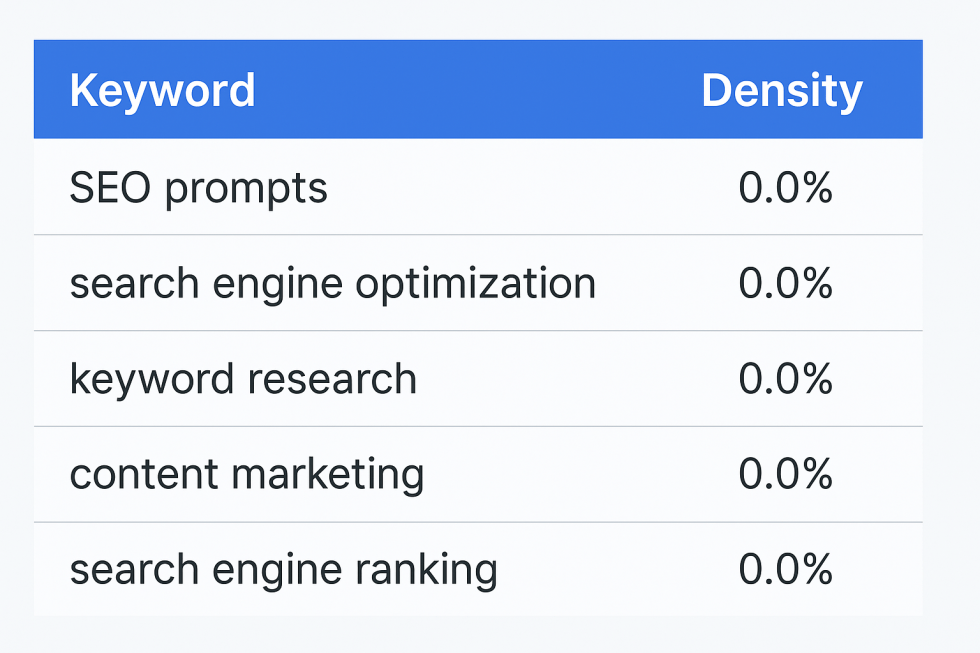
- Keyword Stuffing: Overloading your content with keywords in an unnatural way. This hurts readability and can lead to penalties from search engines. Focus on natural language.
- Ignoring Mobile-Friendliness: Neglecting the mobile experience is a critical error. Ensure your site is responsive and performs well on all devices.
- Low-Quality or Thin Content: Creating content just for the sake of it, without providing real value. Google rewards comprehensive, well-researched, and engaging content.
- Neglecting Technical SEO: Overlooking technical issues like broken links, poor site speed, or crawl errors can severely hinder your SEO progress, regardless of your content quality.
- Building Spammy Backlinks: Acquiring links from low-quality, irrelevant, or spammy websites can do more harm than good, potentially leading to manual penalties. Focus on quality over quantity.
- Not Monitoring Performance: Launching an SEO campaign without tracking its impact means you're flying blind. Regularly check Google Analytics and Search Console.
- Setting and Forgetting: SEO is not a one-time project. Algorithms change, competitors emerge, and user behavior evolves. Constant monitoring, adaptation, and updates are necessary.
The Future of SEO: What's Next?
The world of SEO is constantly evolving. Staying ahead means understanding emerging trends:
- Artificial Intelligence & Machine Learning: Google's algorithms, like RankBrain, BERT, and MUM, are increasingly sophisticated. AI will continue to play a larger role in understanding user intent and content relevance, making quality and context more important than ever.
- Voice Search Optimization: With the rise of smart speakers and virtual assistants, optimizing for voice search is growing. This often means targeting longer, conversational keywords and providing direct answers.
- E-E-A-T (Experience, Expertise, Authoritativeness, Trustworthiness): Google places a strong emphasis on E-E-A-T, especially for YMYL (Your Money or Your Life) topics. Building your brand's authority, showcasing expertise, and earning trust will be crucial.
- User Experience (UX) as a Core Ranking Factor: Beyond Core Web Vitals, overall user experience will continue to influence rankings. Sites that are easy to navigate, visually appealing, and provide a seamless journey will be favored.
- Video SEO: With YouTube being the second-largest search engine, optimizing video content for search will become increasingly important.
- Local SEO Evolution: Expect more personalized and hyper-local search results, further emphasizing the need for robust local SEO strategies.
SEO Pillar Comparison Table
Here's a quick overview contrasting the elements of the three main SEO pillars:
| On-Page SEO | Optimizing content and HTML on your website. | Keyword Research, Content Quality, Title Tags, Meta Descriptions, Headings (H1-H6), Image Alt Text, Internal Linking, URL Structure. | Signal relevance and value to search engines and users. |
|---|---|---|---|
| Off-Page SEO | Building authority and credibility from external sources. | Backlink Building, Social Signals, Brand Mentions, Local SEO (Google My Business, citations, reviews). | Demonstrate trustworthiness and authority to search engines. |
| Technical SEO | Ensuring website infrastructure is search engine-friendly. | Site Speed (Core Web Vitals), Mobile-Friendliness, Crawlability (Sitemaps, Robots.txt), Indexability, Schema Markup, HTTPS. | Enable search engines to easily crawl, understand, and index your website. |
Frequently Asked Questions about SEO
The Journey to SEO Mastery: A Continuous Endeavor
SEO is not a one-and-done task; it's a dynamic, ongoing process that requires continuous learning, adaptation, and optimization. By understanding the core principles of on-page, off-page, and technical SEO, and by committing to creating valuable content and a superior user experience, you can significantly improve your website's visibility and achieve sustainable growth.
Embrace the challenge of SEO, stay informed about the latest trends, and consistently refine your strategies. The rewards—increased organic traffic, enhanced brand credibility, and a stronger digital presence—are well worth the effort. Start your SEO journey today and watch your online presence flourish!
About the Author

Brian Keary
Founder & Lead Developer
Brian is the founder of BKThemes with over 20 years of experience in web development. He specializes in WordPress, Shopify, and SEO optimization. A proud alumnus of the University of Wisconsin-Green Bay, Brian has been creating exceptional digital solutions since 2003.
Expertise
Writing since 2003