In the dynamic realm of search engine optimization, certain foundational principles endure, shaping how websites perform and connect with their audience. Among these, the concept of page distance—often referred to as click depth—stands out as a critical yet frequently undervalued element of a robust SEO strategy. With over three decades of experience navigating Google's algorithms and understanding user behavior, I can unequivocally state that optimizing how deep your content lies within your site's structure is paramount for both search engines and human visitors alike.
This comprehensive guide will demystify page distance, explain its profound impact on your organic rankings, and equip you with actionable strategies to optimize your site's architecture for maximum SEO benefit. Let's delve into how you can make every click count towards a more discoverable and user-friendly website.
Understanding Page Distance (Click Depth)
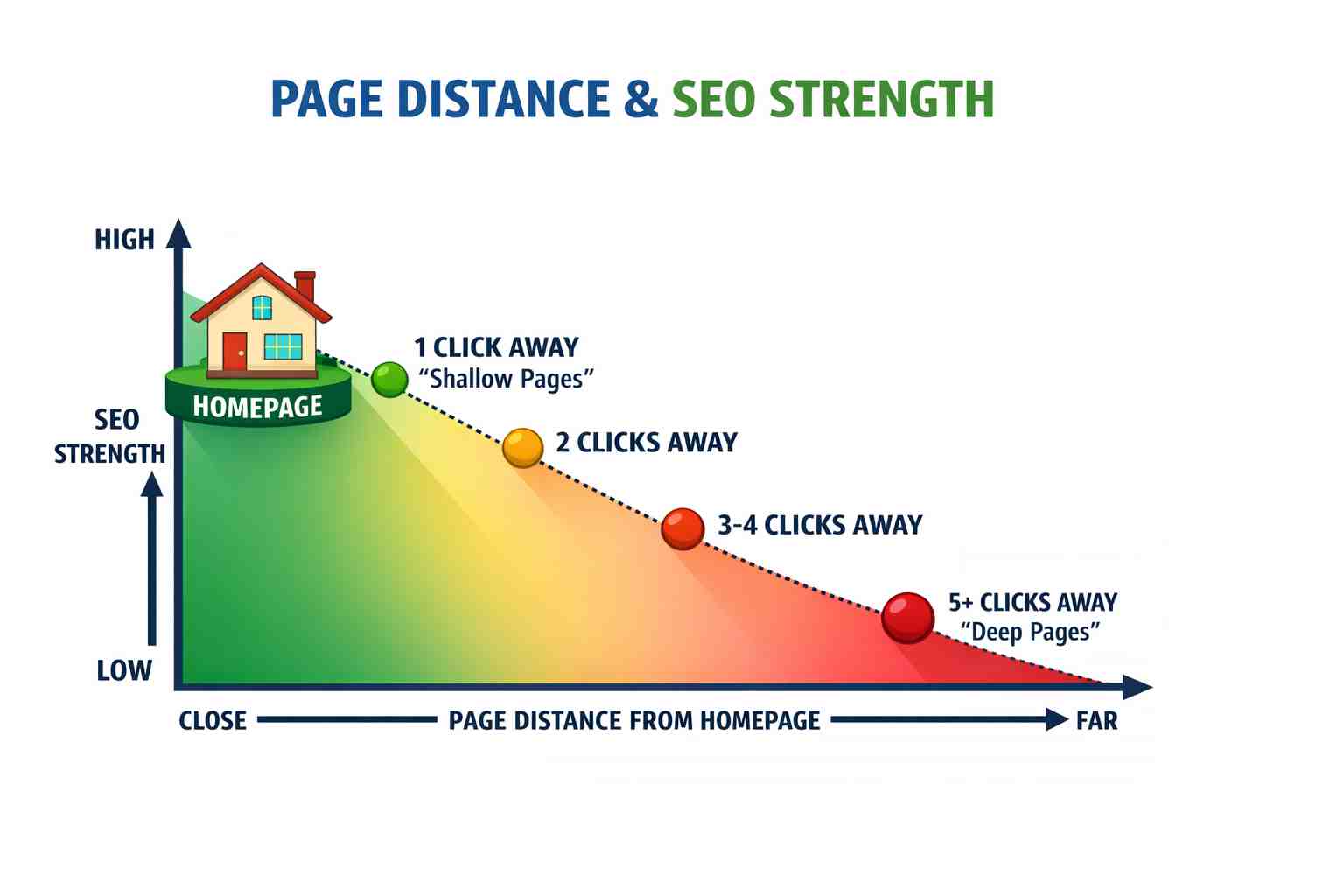
At its core, page distance refers to the number of clicks it takes to reach a specific page on your website, starting from your homepage. For example, a page that is 1 click away is directly linked from the homepage. A page 3 clicks away requires navigating through two intermediate pages to reach it. While simple in definition, its implications for SEO are far-reaching and complex.
"Page depth, also known as click depth, is the number of clicks required to get to a specific page from the home page. It impacts how search engine bots crawl your site and how users navigate it."
This metric is more than just a count of clicks; it's a powerful indicator of how important a page is perceived to be by your site's internal linking structure. Pages closer to the homepage typically receive more internal link equity and are discovered more frequently and efficiently by search engine crawlers, making them ideal candidates for your most valuable content.
Why Page Distance Matters for Your SEO Strategy
Optimizing page distance isn't merely a technical endeavor; it's a strategic move that significantly influences several critical SEO factors:
- Crawlability & Indexation: Search engine bots, like Googlebot, operate with finite crawl budgets. They prioritize pages closer to the homepage, which are deemed more important and are crawled more frequently. Deeper pages might be crawled less often, or worse, not at all.
- Link Equity Distribution: Internal links are vital for distributing "link equity" (PageRank) throughout your site. The homepage typically holds the most authority, which then flows to linked pages. The deeper a page is, the less link equity it naturally receives, potentially hindering its ranking potential.
- User Experience (UX): A shallow, intuitive site structure makes it significantly easier for users to find desired content. This reduces frustration, lowers bounce rates, and improves engagement metrics like time on site and pages per session.
- Relevance & Authority Signals: Pages with shorter distances are often implicitly considered more important or authoritative by search engines, as they are central to the site's primary navigation.
Impact on Crawlability and Indexation
Consider Googlebot as a diligent explorer with a limited time budget for your site. It begins its journey from your homepage, systematically following internal links to discover new content and re-crawl existing pages. Pages that are many clicks deep are less likely to be crawled regularly, or in some cases, may not even be discovered at all, especially on vast websites with millions of pages. This directly impacts your ability to get new content indexed promptly or for important updates to existing content to be recognized by search engines.
A well-optimized page distance ensures that your valuable content is within easy reach of these crawlers, making it far more likely to be indexed efficiently and considered for higher rankings. For a deeper dive into how Google discovers and processes pages, refer to Google's official documentation on crawling and indexing.
Page Distance and Authority Flow (Link Equity)
Every internal link on your website acts as a conduit, passing a small but significant amount of "link equity" or "PageRank" to the linked page. Your homepage, by virtue of its position and external backlinks, typically concentrates the most authority on your entire site. As this authority flows through your internal links, it gradually diminishes with each click layer. Consequently, pages that are buried deep within your site's architecture receive a smaller share of this valuable equity.
Strategically placing your most important commercial, service, or informational pages closer to the homepage ensures they receive a greater share of this internal authority. This can significantly boost their ranking potential for competitive keywords and critical search queries. This foundational aspect is a critical component of any effective internal linking strategy.
User Experience (UX) Implications
Beyond the algorithms, page distance profoundly impacts your human visitors. Imagine a user actively searching for a specific product, a crucial piece of information, or a particular service. If they are forced to click through multiple layers of navigation to find what they need, frustration can quickly set in. This often leads to a high bounce rate, poor engagement, and ultimately, a negative user experience. Conversely, a shallow, intuitive site structure empowers users to quickly locate their desired content, dramatically improving engagement metrics such as time on site, pages per session, and conversion rates.
A positive user experience sends strong, favorable signals to search engines that your site provides value and relevance, indirectly but powerfully contributing to better organic rankings. The synergistic interplay between exceptional UX and robust SEO is more vital now than ever before.
Strategies to Optimize Page Distance
Here are actionable steps you can implement to effectively flatten your site architecture and improve page distance, leveraging a robust SEO strategy:
1. Strategic Internal Linking Best Practices
- Contextual Links: Embed relevant anchor text within your body content, linking to other important pages on your site. This is a natural, highly effective, and user-friendly way to pass authority.
- Pillar Pages & Content Hubs: Develop comprehensive "pillar" pages that serve as central resources, linking out to numerous related, more specific articles or sub-topics. The pillar page itself should be close to the homepage, and all supporting content should link back to the pillar.
- Related Posts/Products Sections: Implement dynamic "related posts," "recommended products," or "recently viewed" sections to encourage further exploration, improve discoverability, and inherently shorten click paths.
- Optimized Header & Footer Links: Utilize your global navigation (header and footer) strategically for your most critical, high-level pages. Avoid overstuffing these areas, which can dilute link equity and overwhelm users.
2. Thoughtful Site Structure & Navigation Design
Your website's hierarchy must be logical, intuitive, and easy to understand for both users and crawlers. Categorize your content effectively and consistently.
| Content | Type/Category | Ideal Page Distance (Clicks from Homepage) Description |
|---|---|---|
| Homepage | 0 clicks | The primary entry point and central hub of your website. |
| Primary Categories/Core Services | 1-2 clicks | Your most important offerings or main content categories, directly accessible from the homepage or main navigation. |
| Sub-Categories/Individual Products/Ke[y Bl](https://bkthemes.design/blog)og Posts | 2-3 clicks | More detailed content, specific product pages, or high-value blog articles. |
| Long-Tail Niche Content/Archive Pages | 3-4 clicks (maximum) | Highly specific, less frequently updated, or older content. While deeper, it should still be readily accessible and linked. |
3. Implement Effective Breadcrumb Navigation
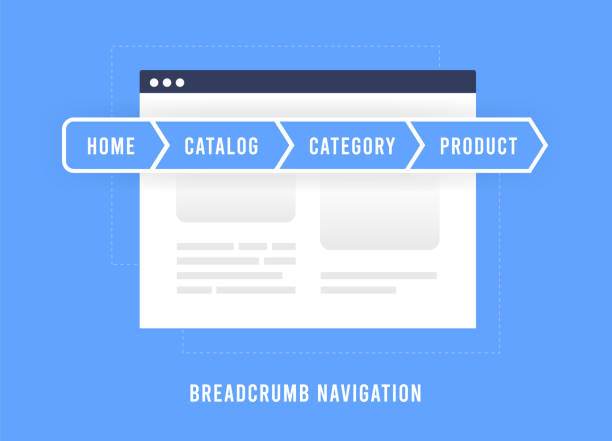
Integrating breadcrumb trails into your website is highly beneficial. These hierarchical links not only significantly improve user navigation by clearly showing their current location within your site structure but also provide additional, contextual internal links for search engine crawlers. This reinforces your site's hierarchy, helps in passing link equity, and effectively reduces the perceived page distance for users and bots alike.
Tools and Techniques for Page Distance Analysis
Understanding your current page distance is the first step toward optimization. Several powerful tools can assist you in this crucial analysis:
- Screaming Frog SEO Spider: This robust desktop crawler provides incredibly detailed reports on click depth for every single page on your website. It's an indispensable tool for technical SEO audits.
- Google Search Console: While it doesn't directly show click depth as a metric, the 'Pages' (or 'Index Coverage') section can highlight indexing issues, which are often indicative of pages that are too deep and difficult for Googlebot to find.
- Comprehensive Site Audit Tools (e.g., Ahrefs, SEMrush, Moz Pro): Most leading SEO platforms include advanced site audit features that meticulously analyze internal linking patterns and provide clear reports on page depth, identifying problematic areas.
- Manually Checking (for smaller sites): For websites with fewer pages, you can manually click from the homepage to your key pages, noting the number of clicks required. This offers a quick, albeit less scalable, overview.
Regularly auditing your site for page distance ensures that your valuable content remains accessible, discoverable, and optimized for both search engines and users.
Common Page Distance Pitfalls to Avoid
Even highly experienced SEO professionals can sometimes overlook these crucial mistakes related to page distance:
- Orphan Pages: These are pages with no internal links pointing to them. Orphan pages are virtually invisible to search engine crawlers and, consequently, to your users, effectively making them non-existent in terms of SEO.
- Over-reliance on Sitemaps Alone: While XML sitemaps are crucial for helping search engines discover pages, especially on large or new sites, they are not a substitute for robust internal linking. Sitemaps aid discovery; internal links drive discovery, crawl prioritization, and authority flow.
- Excessive Navigation Categories: Stuffing too many items into your main navigation menus can dilute the link equity passed from the homepage and overwhelm users, making navigation confusing.
- Neglecting Outdated Content: Allowing old, yet still valuable, content to drift into the deepest recesses of your site without active internal links can diminish its visibility and ranking potential. Regularly review and update internal links to relevant older content.
Frequently Asked Questions About Page Distance & SEO Strategy
Conclusion: Building a Strong Foundation for Digital Success
For three decades, I've observed countless SEO trends emerge and fade, but the fundamental importance of intelligent site architecture and judicious page distance optimization has remained a constant beacon. By intentionally flattening your site structure, strategically distributing internal link equity, and prioritizing an intuitive user experience, you're not merely adhering to search engine guidelines; you're actively constructing a more robust, user-friendly, and ultimately more successful digital presence.
Never let your valuable content languish in the digital depths where crawlers and users struggle to find it. Bring it closer to the surface, empower it with a well-thought-out internal linking strategy, and watch your visibility, organic traffic, and business objectives flourish. This isn't just a fleeting SEO tactic; it's an enduring, foundational SEO strategy that will serve your website and its audience effectively for many years to come.
About the Author

Brian Keary
Founder & Lead Developer
Brian is the founder of BKThemes with over 20 years of experience in web development. He specializes in WordPress, Shopify, and SEO optimization. A proud alumnus of the University of Wisconsin-Green Bay, Brian has been creating exceptional digital solutions since 2003.
Expertise
Writing since 2003