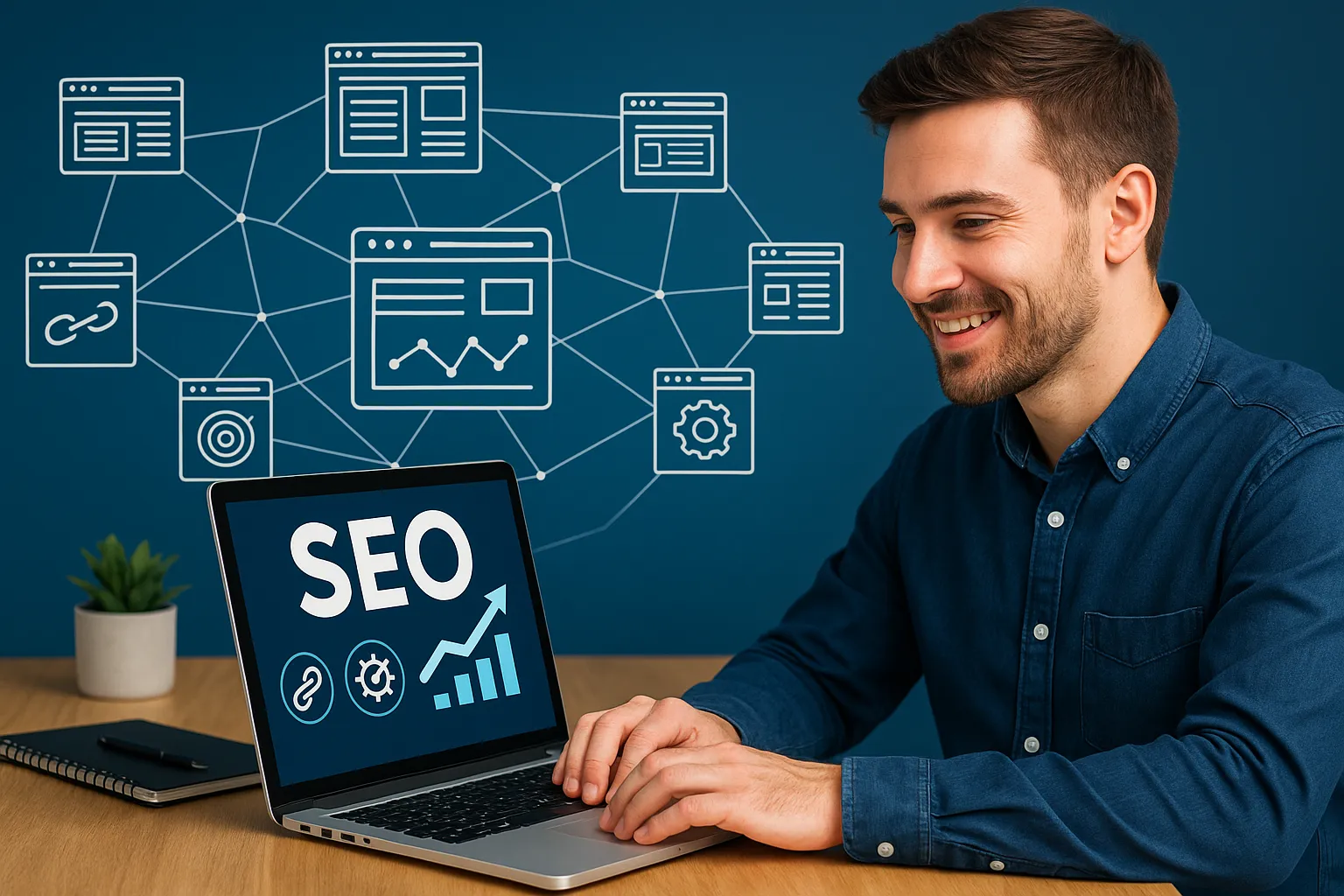

Link building for Shopify stores is the systematic acquisition of external hyperlinks to increase domain authority and search visibility. For e-commerce brands, high-quality backlinks direct qualified referral traffic and validate topical authority across competitive commercial queries. This guide breaks down white-hat acquisition methods, outreach workflows, and link-monitoring practices tailored for Shopify stores.
Why is Link Building Essential for Niche Shopify Stores?
Link building is essential for niche Shopify stores because even the most well-designed product line cannot generate revenue if potential customers never find it. Operating a niche store means competing against thousands of e-commerce brands for user attention, and search engines rely heavily on backlinks to determine which stores deserve visibility.
Here is why link building plays a critical role in scaling a niche Shopify store:
1. Serves as Digital "Votes of Confidence"
Search engines view backlinks from external websites as endorsements or votes of trust. When reputable, high-traffic sites link to your Shopify store, it signals to search engines like Google that your store is legitimate, trustworthy, and worthy of higher rankings.
2. Drives High-Intent Organic Traffic
Niche e-commerce stores rely on reaching a specific audience actively seeking specialized products. High-quality link building places your brand directly in front of these ideal buyers—whether through industry blog features, product reviews, or resource pages—driving qualified, purchase-ready traffic directly to your store.
3. Elevates Search Engine Rankings
Shopify stores with strong, white-hat backlink profiles achieve higher domain authority and rank higher in search engine results pages (SERPs). Over time, this organic visibility reduces your reliance on paid ad spend (like Facebook or Google Ads) to acquire new customers.
4. Quality Over Quantity
For niche stores, acquiring a small number of links from authoritative, topic-relevant websites carries far more value than receiving hundreds of low-quality or spammy links. Focused link-building strategies ensure your store earns respect from the specific online communities that matter most to your business.
What is a Backlink and Why is it Important?
A backlink (also known as an inbound link) is simply an external hyperlink on another website that points directly to your website.
Backlinks are important for several primary reasons:
- Search Engine Authority & Trust: Search engines treat backlinks as digital "votes of confidence." When reputable websites link to your content, it signals to search engines like Google that your website is legitimate, authoritative, and trustworthy.
- Higher Search Rankings: Pages with stronger, relevant backlink profiles tend to rank higher in search engine results pages (SERPs) for competitive keywords, boosting your overall domain authority.
- Referral Traffic: Beyond search engine benefits, backlinks drive direct organic referral traffic from users who click the link while reading related content on other websites.
- Faster Indexing: Search engine crawlers (like Googlebot) discover new web pages by following links. Earning backlinks from active websites helps search engine bots discover and index your new pages much faster.
What Differentiates High-Quality Backlinks from Low-Quality Links?
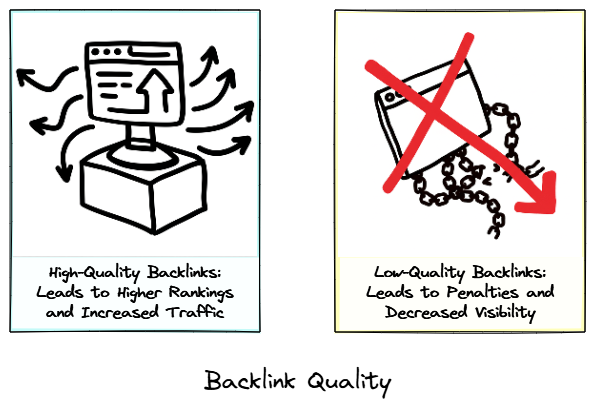
High-quality backlinks and low-quality links differ fundamentally in their source reputation, relevance, and overall impact on a site's search engine performance:
High-Quality Backlinks
- Relevance & Context: Earned from well-respected, niche-relevant websites that generate real organic traffic.
- Editorial Integrity: Placed naturally within high-value content (such as in-depth guides, research, or articles) for human readers rather than search engine manipulation.
- Value Creation: Eearned through white-hat SEO efforts—like publishing exceptional content, digital PR, or genuine industry relationships—which build long-term, sustainable authority.
- Impact: Tell search engines that your site is trustworthy, legitimate, and deserving of higher search rankings.
Low-Quality & Spammy Links
- Lack of Relevance: Often stem from unrelated websites, automated link farms, or paid link schemes designed to trick algorithms.
- Risky Shortcuts: Frequently use black-hat techniques that promise quick spikes but lead to severe search engine penalties.
- Algorithm Treatment: Modern search algorithms (like Google's) typically ignore spammy links automatically, though manipulative schemes can result in ranking drops or complete site removal from search results.
- Brand Harm: Fail to bring target audience traffic and can harm both your store's reputation and long-term search visibility.
What Link Building Traps and Algorithmic Penalties Must Shopify Stores Avoid?
Shortcuts like link farms or paid links may be tempting, but they're a disaster waiting to happen. Search engines punish these "black hat" techniques mercilessly. Penalties can sting for years. Stick to natural, earned links. That's the solid ground you want to build on.
Oh, and play defense too. Negative SEO is real. Competitors will sometimes point junk links at you to try to take you down. Watch your backlink profile. Identify bad links. Disavow them immediately. Protect your Shopify SEO as if your life depended on it. Because it does.
While black hat tactics rely on tricking algorithms for short-term spikes, white hat SEO is the exact opposite. It focuses on human audiences first, relying on ethical, sustainable link-building practices that comply fully with search engine guidelines. Instead of buying sketchy links, white hat SEO means earning them naturally through exceptional content, genuine industry relationships, and real digital PR. It takes more patience and hard work, but it creates an unbreakable foundation for your store. One that builds permanent authority and will never get you penalized when Google rolls out its next algorithm update. Did the April 2026 Google Core Update effect you?
Search engines punish these "black hat" techniques mercilessly. Penalties can sting for years, as documented extensively in the Google Search Essentials (formerly Webmaster Guidelines), which explicitly states that manipulative link schemes can lead to a severe drop in site rankings or complete removal from search results.
What are Effective Strategies for Building High-Quality Links?
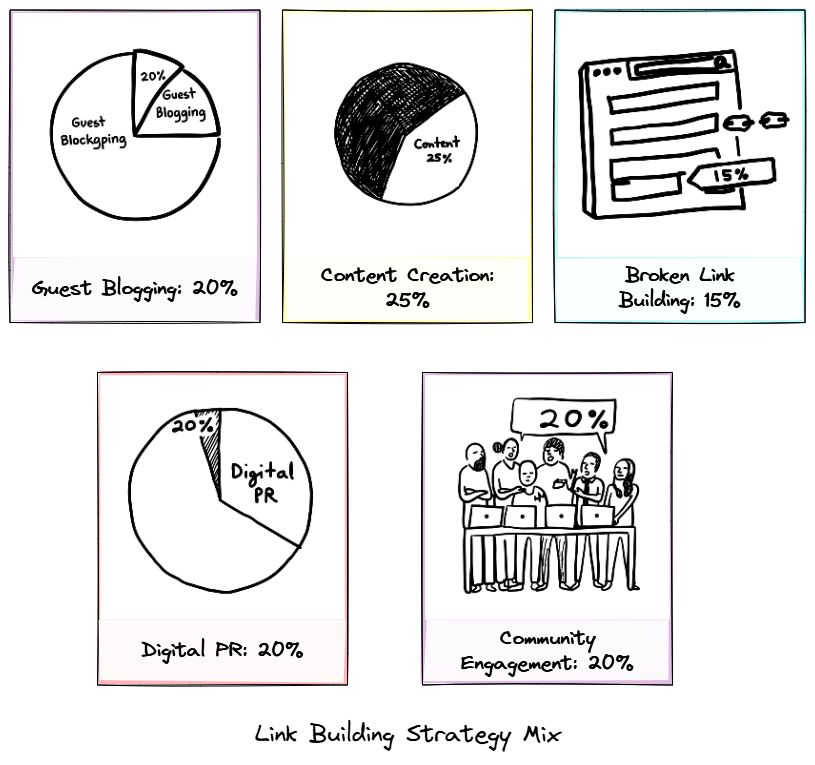
Building high-quality links is about creating value and relationships. Here are some effective strategies to consider:
How Can Guest Blogging Be Used Effectively for Link Building?
Guest blogging isn't dead, it's a goldmine if you do it right. Find blogs or publications your customers read. Don't send out a mass of generic pitches. Show them you get their style. Give them real value. Write posts full of so much insight you deserve that link back to your store. Because it's about trust, not URLs.
What Kind of Content Attracts Natural Backlinks?
Your own site should be a magnet. Think big. Write long guides. Publish original research. Publish stuff that's so good that other people can't help but link to it. And peek at your competitors too. Where are their links from? Follow their trail and blaze one of your own.
How Can Finding Broken Links Help Build Backlinks?
Broken links are your sneaky opportunity. Use tools to find dead links on decent niche sites. Find one? Contact them. Nicely say "Hey, this link is broken. My stuff would fit nicely in its place." Everyone wins. And you get a nice backlink.
How Can HARO Help Establish Authority and Earn Links?
Help a Reporter Out (HARO) is your ticket to the big time. Journalists need experts. Sign up, watch for queries in your area, and reply fast with killer responses.
How Does Community Engagement Contribute to Link Building?
Links don't all come from cold pitches. Some grow. Join niche forums. Participate in online communities, like Alignable. Don't just sell; help. Answer questions. Share tips. People link to things they trust. Social media works too. Start conversations. Share your stuff. Natural mentions follow.
Should Shopify Stores Use Niche Directories for Links?
Don't forget the easy wins. Get your store listed in good, niche directories. Those basic links put you where your customers are looking. They make you seem trustworthy. And they make you more visible over time.
What Advanced Tactics Support Long-Term Link Building Growth?
Ready to play at the next level? These advanced tactics aren't even about getting links. They're about owning your niche. About winning at 'Shopify SEO' for the long term.
- Spy on Competitors: Use tools like Ahrefs to see where your competitors get links. Copy what they do well. Find similar sites. Get your own spots. It's not dirty; it's smart.
- Target Resource Pages: Google for "your niche + resources." Find lists of helpful links. Have good stuff? Pitch yourself to be added. You're doing them a favor.
- Master Digital PR: Your store has a story. Tell it. Pitch product launches or stories about your brand to influencers and industry blogs. Natural mentions are the most powerful links.
- Build internal links: Don't forget your own site. Link from product pages to blogs, from categories to products. Use descriptive anchor text. Make it easy for users and search engines to get around. It makes your pages authoritative.
- Refresh Old Stuff: Update your best posts. Add whatever new info is relevant. Re-promote on social media. Send to new sites. Make your posts as evergreen as possible, and they'll keep getting new links.
- Make Real Friends: Link building isn't cold. Make friends among bloggers and site owners in your niche. Give first. Trust will bring you links.
- Diversify your profile: Don't depend on one type of link. Mix guest posts, mentions, and press. A varied profile looks natural and protects you against changes in algorithms.
How Does Content Marketing Support Link Building?
High-quality link building doesn't happen in a vacuum; it is the natural byproduct of an effective content marketing strategy. Instead of chasing links, you create assets that compel others to link to you. By publishing deeply thoroughly-researched pieces—such as exhaustive, step-by-step niche tutorials, industry infograhics, or original data snapshots—your Shopify store becomes a primary source. When other bloggers, journalists, or store owners need to validate a point in their own writing, they won't link to a basic product category page; they will link directly to your authoritative resource. This turns your content into a passive, 24/7 link-generation machine that continuously elevates your store's search equity.
When Should an E-commerce Brand Outsource Shopify Link Building?
Outsourcing link building allows e-commerce founders and in-house marketing teams to pivot their focus back to core operations—like product development, conversion rate optimization (CRO), inventory management, and customer experience—while dedicated SEO specialists handle outreach and digital PR.
An e-commerce brand should consider outsourcing Shopify link building when facing these scenarios:
1. In-House Resource & Time Constraints
Executing high-tier link building requires dedicated workflows: prospecting, evaluating domain metrics, finding verified contact details, crafting personalized pitches, creating linkable assets, and negotiating editorial features. If your internal marketing team is already stretched thin managing paid ads, email campaigns, and social media, link building often falls by the wayside or gets executed inconsistently.
2. Stagnant Organic Growth & Competitive Niche Deadlocks
If your store’s organic traffic and rankings have plateaued despite having well-optimized product pages and technical SEO, the missing link is almost always domain authority. When competing against established brands in mature niches, earning high-DR contextual links from industry publications requires specialized media relationships and pitch frameworks that an in-house team may take years to build.
3. Lack of Specialized SEO Tools & Infrastructure
Professional link building relies on a expensive tech stack for backlink auditing, outreach tracking, competitor link gap analysis, and monitoring toxic profiles (e.g., Ahrefs, Semrush, BuzzStream, Hunter.io). Outsourcing gives you immediate access to this infrastructure and sophisticated workflows without incurring heavy monthly software overhead.
4. Transitioning from Paid Ad Dependency to Organic Scale
Brands heavily dependent on Meta, TikTok, or Google Ads often face rising Customer Acquisition Costs (CAC) and diminishing profit margins. Outsourcing link building accelerates the growth of your organic search channels, creating a compound acquisition engine that lowers overall reliance on paid channels over time.
5. Need for Scalable Digital PR & Data Assets
Earning links from top-tier news outlets and major publications requires pitching original data studies, expert commentary, or brand stories. Specialist agencies and certified Shopify growth partners (such as BKThemes) possess existing relationships with journalists, editors, and industry bloggers to secure high-authority editorial mentions at scale.
Key Evaluation Checklist Before Outsourcing
| Signal | Keep In-House | Outsource to Agency/Specialist |
|---|---|---|
| Budget | Limited initial budget (<$1,500/mo). | Dedicated growth budget ($2,500–$10,000+/mo). |
| Content Assets | In-house team creates original research & data. | Lack bandwidth to produce linkable content assets. |
| Relationships | Established network of niche bloggers & media. | Starting from scratch with cold outreach outreach. |
| Focus | SEO is the brand's primary core competency. | E-commerce operations, product design, and fulfillment are top priorities. |
How Should Shopify Stores Track Link Building Success?
Google Search Console (GSC) is a valuable tool for tracking external links, but it is not sufficient as a primary tool for monitoring backlink health or managing disavow files. Google intentionally designs GSC to show only a sample of your backlink profile, and the standalone Disavow Tool is now largely obsolete for standard SEO upkeep.
Limitations of GSC for Backlink Health
- Incomplete Data Sampling: GSC only displays a curated snapshot of your links, meaning you will miss thousands of low-quality or toxic links.
- No Real-Time Alerts: GSC does not notify you when you lose high-value links or when a sudden spam attack occurs.
- Lack of Quality Metrics: GSC provides zero proprietary authority scores (like Domain Rating or Authority Score) to help you quickly judge a link's health.
- Anchor Text Context: It offers very limited insights into toxic anchor text distributions across your entire site.
The Reality of the Disavow File
- De-emphasized by Google: Google's Penguin algorithm (and subsequent AI spam updates) ignores toxic or spammy links automatically rather than penalizing your site.
- Risk of Harm: Misusing a disavow file by accidentally removing high-quality links can actively drop your organic rankings.
- Niche Use Case: You should only use the disavow tool if you have a manual action against your site or a massive, weaponized negative SEO attack that Google's automated systems failed to ignore.
A Better Workflow for Link Monitoring
To properly protect your site's backlink health, use GSC as a secondary verification tool alongside a dedicated third-party SEO suite (such as Ahrefs, Semrush, or Majestic).
- Audit with Third-Party Tools: Run monthly automated audits using advanced crawlers to capture a near-complete map of your live links.
- Track Anchor Text Diversity: Watch for sudden spikes in exact-match commercial anchors or adult-themed keywords.
- Monitor Live Link Status: Track "live vs. lost" links weekly to identify when valuable partners accidentally drop your URL.
- Cross-Reference with GSC: Use GSC primarily to see which links Google actually crawls and recognizes, comparing this data against your third-party tool findings.
What is the Long-Term Path to Niche Domination Through Link Building?
Link building is not optional for your Shopify store. It's the foundation of everything you do online. It's how you're distinguished by being "Shopify website building" or "Shopify SEO." It's how you attract the very customers who want what you sell.
- Start Today: Pick one thing, whether it's guest blogging or participating in communities, and do it. Whether you do it yourself or hire experts, if you just keep at it, you'll win. This is a long game. Markets change. Algorithms change. Keep learning. Keep adapting.
Embrace that challenge. Watch your niche store not just survive, but flourish. You have the tools. Now build those links, take that pole position, and own your corner of e-commerce. Your audience is waiting.
Frequently Asked Questions
What is link building and why is it crucial for a niche Shopify store?
Link building is essential for your Shopify store because it acts as a signal to search engines like Google, indicating that your site is reputable and authoritative. This leads to higher rankings, increased visibility, and attracts your ideal customers through organic traffic, helping you dominate your niche.
What constitutes a high-quality backlink for Shopify SEO?
A high-quality backlink is a link from a well-respected, niche-relevant website. Quality significantly outweighs quantity; one link from an authoritative source is far more valuable than numerous spammy links, which can harm your reputation and rankings.
What are the risks associated with black-hat link building tactics?
Shortcuts like link farms or paid links are considered "black hat" techniques and are severely punished by search engines. These tactics can lead to penalties that damage your reputation and rankings for years, so it's crucial to stick to natural, earned links.
How can Shopify store owners attract valuable links through content creation?
Create exceptional content such as long guides or original research that is so insightful and valuable that other websites naturally want to link to it. Analyzing competitor backlinks can also reveal opportunities to create similar or better content.
What is the strategy for using broken links to build backlinks?
Use tools to find broken links on relevant, reputable websites. Once found, contact the website owner, inform them about the broken link, and suggest your relevant content as a replacement. This benefits both parties and earns you a backlink.
How can a Shopify store owner measure the success of their link building efforts?
Track key metrics such as Domain Rating, referring domains, and organic traffic using tools like Google Analytics and Shopify reports. Monitor if these links are contributing to increased conversions and sales for your store.
What is the long-term perspective on link building for Shopify stores?
Link building is not a one-time task but an ongoing marathon. It requires continuous effort, adaptation to algorithm changes, periodic backlink audits to disavow spammy links, and a commitment to building natural, earned links to maintain and grow your online presence and niche authority.
About the Author

Brian Keary
Founder & Lead Developer
Brian is the founder of BKThemes with over 20 years of experience in web development. He specializes in WordPress, Shopify, and SEO optimization. A proud alumnus of the University of Wisconsin-Green Bay, Brian has been creating exceptional digital solutions since 2003.
Expertise
Writing since 2003