We Are 100% US-basedAll work is done in-houseSatisfaction Guaranteed!
SEO

7 Essential Strategies for Enhancing Local SEO

Discover proven strategies for enhancing your regional visibility today. Claim your profile and attract nearby customers now with our expert guide.

By Brian Keary
August 5, 2026
5 min read
7 Essential Strategies for Enhancing Local SEO

Local searches often reflect immediate needs, such as finding nearby businesses, checking opening hours, or locating a physical address. When customers search for a service in a particular area, they expect clear and accurate answers. Businesses that neglect their regional digital presence may miss opportunities to connect with people actively looking for relevant products or services. Positioning a company to appear in regional queries requires careful attention to business information, useful website content, and technical details that search engines can interpret accurately.

Local search engine optimization involves aligning your digital assets with geographic indicators so that search engines can connect your physical storefront or service area with regional queries. Unlike broad national campaigns, regional visibility is influenced primarily by relevance, distance, and prominence. Google identifies these as the main factors in local results, while noting that businesses cannot pay for or request better organic local ranking. To support visibility, you should maintain accurate profile information, create useful location content, and make your business details easy to understand.

Claiming and Managing Your Business Profile

The foundational step for any regional visibility campaign involves claiming and verifying your Google Business Profile. Verification lets businesses manage the address, contact details, category, and photos shown in Google Search and Maps. You can review Google’s guidance on establishing and verifying business details when setting up or reviewing your profile.

When you set up your profile, you should provide complete and accurate details about your operations. Google states that complete, accurate profiles are more likely to appear for relevant local searches because the available information helps match a business with user queries. If you change your operating hours or address, update those records so customers receive reliable information. Accurate details also help people determine whether your business is suitable and available for their needs.

Selecting the most appropriate primary category helps describe what your business does. You should also provide detailed descriptions of your services and operations where the profile allows it. Google explains that detailed business information can help it match a business with relevant queries. Photographs can also communicate useful information about your storefront, interior, team, and products, provided that they accurately represent the business.

Maintaining Consistent Citation Data Across Directories

Consistency across the web can support a clear understanding of your business. NAP data refers to your business Name, Address, and Phone Number. These details should remain accurate wherever your business is represented, including your website, directories, social platforms, and review profiles. If different sources display conflicting addresses or telephone numbers, customers may become uncertain about which information is current.

Business listings and other web references can contribute to broader information about how well-known a business is. Google identifies links from websites and information across the web as signals related to prominence. You should audit your existing listings regularly to identify old addresses, outdated phone numbers, or duplicate profiles that may confuse customers or make your digital information less reliable. It's important to maintain a NAP consistency if you want local search dominance.

Beyond major directories, industry-specific sources may provide additional ways for customers to discover your brand. If you operate a restaurant, hospitality business, or professional service firm, review the directories and websites that are relevant to your sector. The goal is not to create listings indiscriminately, but to maintain accurate information wherever your business legitimately appears.

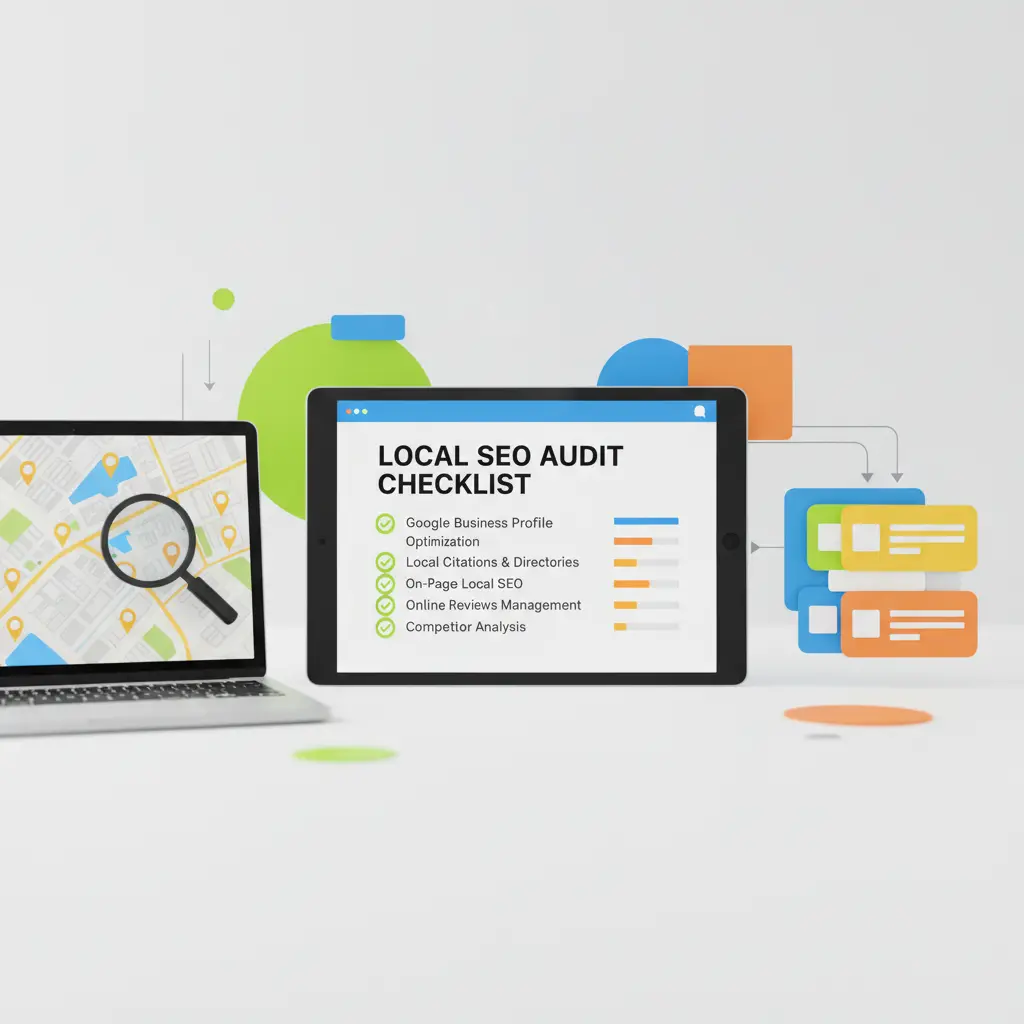
Maintaining this data requires a systematic checklist rather than a one-time setup. Record your official business name, address, telephone number, website, category, and hours. Then review important listings periodically and correct discrepancies when they appear. This process helps create a more consistent digital presence while keeping customers informed.

Understanding Regional Ranking Factors

Search engines rely on multiple signals to determine which businesses appear in local results. Google identifies relevance, distance, and prominence as the main factors in local ranking. You cannot pay for or request a better organic local ranking, and no individual tactic guarantees a particular position. However, you can maintain accurate information and create useful resources that support these three areas.

Relevance measures how well a local profile matches what a user is searching for. Detailed service and business descriptions help explain what your organization offers. If you provide emergency plumbing services, for example, your profile and website should clearly describe those services rather than relying on an ambiguous business description. Precise categories and accurate service information make the relationship between your business and relevant queries easier to understand.

Distance refers to how far a business is from the searcher or from the location included in the query. A business cannot control where a searcher is located, and changing an address simply to pursue visibility in another area would make the profile inaccurate. Instead, make your service area and location information clear wherever applicable, and create useful content for the communities you genuinely serve.

Prominence reflects how well-known a business is. Google indicates that links from websites and broader information across the web can be related to prominence. Reviews and positive ratings may also contribute to local ranking, although Google does not guarantee a ranking increase from any specific review tactic. Focus on building a reputable business presence rather than attempting to manipulate individual signals.

Encouraging and Managing Customer Reviews

Customer feedback plays an important role in how people evaluate a business. Google states that review quantity and positive ratings can contribute to local ranking. Reviews also influence how prospective customers perceive your organization before they decide whether to contact or visit you. Because of this, businesses should create a straightforward process for inviting genuine customers to share their experiences.

You can ask customers for honest feedback after a completed transaction or service. The request should be clear and voluntary, and it should not pressure customers to provide a particular rating or wording. Genuine reviews give prospective customers a better understanding of the experiences associated with your business.

Responding to reviews is also part of responsible profile management. A thoughtful response to positive feedback shows appreciation and keeps the conversation constructive. When a customer leaves negative feedback, respond professionally and address the concern without hostility. Where appropriate, offer a practical way to continue the discussion privately. Do not present reviews as a guaranteed ranking tactic; instead, treat them as part of your reputation and customer communication process.

You should also monitor your profile for inaccurate or inappropriate content and use the platform’s available reporting process when necessary. The central objective is to maintain an authentic record of customer experiences while demonstrating that your business pays attention to feedback.

Implementing Local Business Structured Data

Technical optimization can help search engines interpret the information on your website. Structured data uses standardized code added to HTML to describe business attributes in a machine-readable format. For relevant pages, Google recommends using LocalBusiness structured data and defining each location with the most specific applicable subtype.

You can consult the official Local Business structured data documentation to review required and recommended properties. Depending on the business, useful details can include the name, address, telephone number, URL, logo, hours, departments, and other applicable information. The markup should describe information that is also present and accurate on the page.

Adding structured data does not guarantee a rich result or a higher ranking. Before deploying it, validate the implementation with Google’s recommended testing resources and inspect relevant URLs. Google’s structured-data policies explain that valid markup alone does not guarantee that a search feature will appear.

If you operate multiple branches, make each relevant location page useful and accessible to search engines. Use crawlable links, provide accurate location details, and ensure that the page offers information specific to that branch. Search Essentials recommends following technical, spam, and content best practices, although compliance does not guarantee crawling, indexing, or ranking. Structured data should support useful content rather than substitute for it.

Researching and Targeting Regional Keywords

Keyword research for regional campaigns requires attention to the language customers use when looking for nearby solutions. Searchers may include a town, neighborhood, service area, or phrase such as “open now” in a query. Your research should focus on identifying genuine customer needs and the locations your business actually serves.

You can review the questions customers ask, examine the services they request, and compare how similar businesses describe their offerings. Use these observations to plan service pages, location pages, and helpful explanations. When you incorporate regional references naturally into your content, you give readers and search engines clearer context about your business.

Effective keyword execution avoids unnatural repetition. If your audience frequently asks about parking availability, pricing structures, opening hours, or service areas, address those questions directly on your website or profile where appropriate. Clear answers are more useful than pages written primarily to repeat a location phrase.

Location content should also remain accurate. Do not create pages for places where you do not operate or serve customers merely to pursue additional queries. Explain your actual coverage, use precise business details, and update the content when your services or locations change.

Measuring Success and Adjusting Execution

Tracking the impact of regional visibility efforts requires ongoing analysis rather than guesswork. You can monitor profile interactions, website visits, calls, and other business-relevant actions available through your reporting systems. Review these measures over time and compare them with changes made to your profile, website, or structured data.

Google recommends before-and-after comparisons in Search Console over several months when evaluating structured-data or other SEO changes. This approach helps you distinguish a temporary fluctuation from a sustained change. It also reinforces the need to measure results rather than assume that a particular implementation produced a ranking improvement.

Regular audits help you catch broken links, outdated hours, inaccurate addresses, or incomplete listings. Treat regional optimization as an ongoing system rather than a one-time project. By maintaining reliable business information, gathering genuine customer feedback, and keeping useful location pages and technical markup up to date, you create a clearer digital presence for customers and search engines.

Frequently Asked Questions (FAQ)

What is the Google Local Pack?

The Google Local Pack is a local search feature that presents businesses in response to location-related queries. The exact businesses and presentation can vary according to factors such as relevance, distance, and prominence. Appearing in a particular local feature cannot be guaranteed, so businesses should focus on accurate information and useful content rather than promising a specific placement.

Why is NAP consistency important?

NAP stands for Name, Address, and Phone Number. Keeping these details accurate across your website, business listings, and other relevant profiles helps customers find and contact you. Consistent information also gives search engines a clearer understanding of the business represented across different sources.

How do customer reviews affect regional rankings?

Google states that review quantity and positive ratings can contribute to local ranking. Reviews also shape customer perceptions and provide information about customer experiences. However, no specific review tactic guarantees a ranking increase. Businesses should encourage genuine feedback and respond appropriately rather than attempting to manufacture a particular result.

What role does structured data play in local search?

LocalBusiness structured data gives search engines machine-readable information about a business and its location. It can include details such as the name, address, telephone number, URL, logo, and hours when those properties apply. Review the Local Business structured data guide and ensure that the markup reflects visible, accurate page content. Valid markup does not guarantee a rich result or higher ranking.

How should businesses handle negative reviews?

Businesses should respond to negative feedback professionally and constructively. Acknowledge the concern without hostility, provide accurate information when appropriate, and offer a reasonable way to continue the discussion privately. The response should support customer communication rather than make promises about search performance.

Can I guarantee a top ranking in local search results?

No business can guarantee a specific local ranking. Google identifies relevance, distance, and prominence as key factors, while keeping detailed algorithmic information confidential. Businesses cannot pay for or request better organic local ranking. Maintaining complete, accurate profile information and following search best practices provides a sound foundation, but it does not guarantee a particular result.

For further guidance on establishing and verifying business details, review the official establish business details documentation.

Conclusion

Enhancing visibility in local search results requires consistent execution, attention to detail, and a commitment to serving customers accurately both online and offline. By claiming and verifying your business profile, maintaining reliable business information, and encouraging genuine customer feedback, you create a stronger foundation for discovery and customer trust.

You should also support that foundation with useful location pages, relevant service descriptions, and accurate LocalBusiness structured data. Measure changes over time instead of assuming that any individual tactic guarantees a ranking increase. When your digital information remains complete, accurate, and useful, nearby customers have a clearer path to finding and evaluating your business.

About the Author

Brian Keary

Brian Keary

Founder & Lead Developer

Brian is the founder of BKThemes with over 20 years of experience in web development. He specializes in WordPress, Shopify, and SEO optimization. A proud alumnus of the University of Wisconsin-Green Bay, Brian has been creating exceptional digital solutions since 2003.

Expertise

WordPress DevelopmentShopify DevelopmentSEO OptimizationE-commerceWeb Performance

Writing since 2003

Tags

#enhancing local seo#Local SEO Strategies#strategies for enhancing#implementing local business#maintaining consistent citation

Share this article

Related Articles

Enjoyed this article?

Subscribe to our newsletter for more insights on web development and SEO.

Let's Work Together

Use the form to the right to contact us. We look forward to learning more about you, your organization, and how we can help you achieve even greater success.

Trusted Partner

BKThemes 5-stars on DesignRush
Contact Form