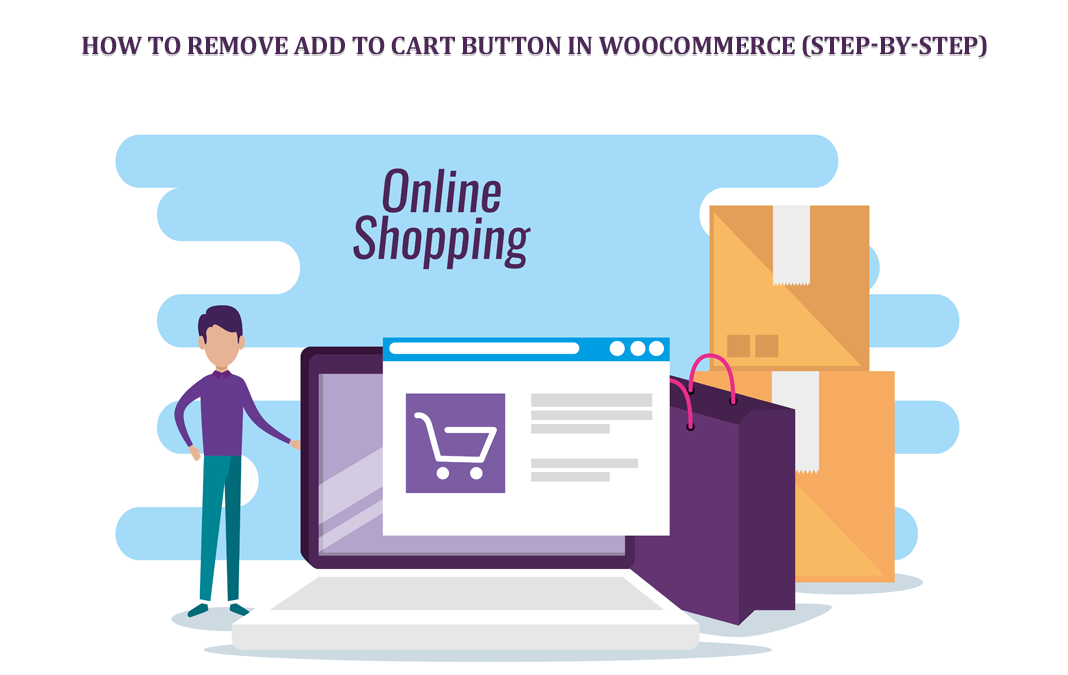
You can remove the Add to Cart button in WooCommerce by toggling catalog mode in a plugin or by adding PHP snippets to your child theme's functions.php file. Disabling this button turns standard product pages into lead-generation catalogs, making it ideal for B2B stores, made-to-order goods, and quote-based services.
Key Takeaways
- Removing the "Add to Cart" button is a powerful strategy for businesses that rely on quotes or consultations.
- Always use a child theme or a plugin to make changes to avoid losing them during updates.
- Replacing the button with a clear call-to-action link is essential for maintaining a high conversion rate.
- You can selectively hide the button for specific product categories to create a hybrid store model.
- Monitoring your analytics is crucial to ensure that your new sales funnel is working as intended.
- Focus on building high-quality backlinks and long-tail keyword content to drive traffic to your new inquiry-based pages.
What common mistakes should you avoid when disabling purchases?
When disabling purchases or removing the "Add to Cart" button from an e-commerce site, avoid these common mistakes:
- Removing the Button Without Offering an Alternative: Deleting the checkout option without replacing it with a clear call-to-action (like a "Request a Quote," "Contact Us," or inquiry button) leaves customers stranded with no way to interact or convert.
- Incomplete Removal Across All Views: Hiding the button only on the single product page while leaving it visible on shop archive, category, or search results pages creates a confusing experience where users can still attempt to buy.
- Editing Parent Theme Files Directly: Adding code directly to your parent theme’s files (such as
functions.php) will cause all your changes to be overwritten and erased during the next theme update. Always use a child theme or a dedicated code snippets plugin. - Using CSS to Hide the Button Instead of Removing It: Relying solely on CSS (
display: none;) leaves the button structure in the page HTML, which can still be accessed by web bots, tech-savvy users, or screen readers. - Forgetting to Check Navigation and Cart Widgets: Removing the purchase button but leaving empty cart icons, checkout menu links, or header mini-carts creates unnecessary site clutter and user confusion.
Why hide the add to cart button?
You might wonder why anyone would intentionally cripple their own checkout process. The reality is that not every transaction is a simple point-and-click affair. By removing the button, you attract visitors who are looking for information rather than a quick checkout. Sometimes, the "Add to Cart" button is actually a barrier to communication. When you remove it, you force the user to interact with you, whether through a contact form, a phone call, or a quote request. This builds a human connection, which is often the secret ingredient to high-ticket sales.
Think of it like a high-end boutique where the price tags aren't displayed. It creates an air of exclusivity and invites a conversation. If your products require customization, shipping calculations, or bulk pricing, the standard WooCommerce checkout is often too rigid. By removing the button, you are essentially telling your customers that their needs are unique and deserve a tailored response.
Method 1: How to remove the Add to Cart button using a WooCommerce plugin
If you are not comfortable with coding, plugins are your best friend. The WooCommerce Catalog Mode plugin is a popular choice for this transformation. Once you install and activate the plugin, you typically get a settings dashboard where you can toggle off the cart button with a single click. This is the safest way to manage your store if you are worried about breaking your site. Just remember to keep your plugins updated to ensure compatibility with the latest version of WordPress in 2026.
Method 2: How to hide the Add to Cart button with custom PHP code
For those who prefer a lean site without extra bloat, adding a simple snippet to your functions.php file is the way to go. You can use the woocommerce_after_shop_loop_item and woocommerce_single_product_summary hooks to remove the button. By using these hooks, you essentially tell WooCommerce to stop rendering the button on the front end. This is a much cleaner solution than using CSS to hide the button, as CSS can be bypassed by tech-savvy users or picked up by bots.
Actionable checklist for your store
Before you start stripping out features, follow this checklist to ensure your store remains functional:
- Back up your entire website database and files.
- Install a child theme to house your custom code snippets.
- Identify whether you want to remove the button globally or only for specific categories.
- Create a "Request a Quote" or "Contact Us" landing page to replace the checkout flow.
- Test the user experience on both desktop and mobile devices.
- Verify that your site navigation still makes sense without the cart icon.
What is the benefit of a catalog-only site?
The main benefit is improved lead quality. When you remove the ability to buy instantly, you filter out window shoppers who aren't serious about making a purchase. Instead, you capture high-intent leads who are willing to reach out to you. This shift turns your website from a vending machine into a relationship-building tool. Furthermore, it gives you the chance to upsell or cross-sell your services during the initial inquiry phase. You are no longer just a merchant; you are a consultant. This is a powerful shift for anyone selling complex products or services.
How do I replace the button with a custom link?
Once you remove the "Add to Cart" button, you have a blank space that is perfect for a call to action. You can replace the button with a link that directs users to a contact form or a custom inquiry page. Many store owners use a plugin like Contact Form 7 or WPForms to create a "Request Quote" button. You can style this button to match your brand colors, making it look like a natural part of your product page. This keeps the user on the path to a conversion, even if that conversion isn't an automated sale.
Can I keep the button for some products but not others?
Absolutely. This is a common requirement for stores that sell both standard items and custom-made products. You can use conditional logic in your code snippet to target specific product IDs or categories. For instance, you could write a function that checks if a product belongs to the "Custom Jewelry" category. If it does, the button is hidden and replaced with a contact link. If it belongs to "Ready to Ship," the button remains visible. This hybrid approach gives you the best of both worlds—automated sales for simple items and personalized service for complex ones.
How does this impact my SEO?
Removing the button doesn't necessarily hurt your SEO, but it changes your strategy. Since you aren't relying on transactional keywords as much, you should focus on informational keywords to bring in people who are looking for solutions rather than just products. Search engines care about user intent. If your content provides clear answers to their problems, your site will rank well. Just ensure that your new inquiry pages are optimized for the same keywords you were using for your products. You still want to appear in the search results for what you offer, even if the final transaction happens offline.
Can you disable checkout for specific user roles or wholesale tiers?
Yes, you can disable checkout or hide purchasing features for specific user roles or wholesale tiers using conditional checks in your code or specialized e-commerce plugins.
1. Using Custom PHP Code (WooCommerce / WordPress)
You can use WordPress's current_user_can() function or check the current user's role before disabling purchasing functions (such as removing the "Add to Cart" button or restricting checkout access):
add_action( 'wp', 'restrict_checkout_for_roles' );
function restrict_checkout_for_roles() {
    // Get the current logged-in user
    $user = wp_get_current_user();

    // Check for specific roles (e.g., 'wholesale_customer' or 'guest')
    if ( in_array( 'wholesale_customer', (array) $user->roles ) || ! is_user_logged_in() ) {
        // Remove Add to Cart buttons
        remove_action( 'woocommerce_single_product_summary', 'woocommerce_template_single_add_to_cart', 30 );
        remove_action( 'woocommerce_after_shop_loop_item', 'woocommerce_template_loop_add_to_cart', 10 );

        // Prevent direct access to the checkout page
        add_action( 'template_redirect', 'redirect_restricted_checkout' );
    }
}

function redirect_restricted_checkout() {
    if ( is_checkout() ) {
        wp_redirect( wc_get_page_permalink( 'shop' ) );
        exit;
    }
}
2. Using Specialized Plugins
If you prefer a non-coding approach, several platform plugins handle role-based checkout restrictions out of the box:
- WooCommerce:
- Wholesale Suite (Wholesale Prices & B2B): Allows you to hide prices, disable standard purchasing, or enforce minimum quantity rules for specific wholesale roles while leaving the standard store open to retail buyers.
- WooCommerce Catalog Mode: Enables conditional rule settings to turn off checkout capabilities based on user roles, logged-in status, or location.
- Shopify:
- Shopify Plus (B2B Features): Built-in B2B functionality lets you create dedicated buyer profiles with restricted checkout access, custom catalogs, and payment terms (e.g., Net 30 vs. instant checkout).
- Locksmith / Wholesale Locksmith Apps: Allows you to lock down the checkout page, cart, or specific product tags based on customer tags or logged-in accounts.
Managing your inventory effectively
Even if you aren't selling directly through the site, you still need to keep your stock levels accurate if you have limited quantities. Whether you are using WooCommerce or Shopify, the principle remains the same. You need to know what you have in the back room. If you are taking quotes, you can use the inventory count as a gauge for how many custom orders you can accept for the month. Don't let the lack of a "Buy Now" button make you lazy about your stock management.
Analyzing your traffic patterns
After you make these changes, you need to monitor your analytics closely. Use Google Search Console (GSC) to see how users are interacting with your new setup. Are they bouncing, or are they clicking through to your contact page? If your bounce rate spikes, you might need to make your call-to-action buttons more prominent. Remember that data is the compass that will guide your future decisions. If you don't measure the impact of removing the button, you are just guessing.
Building backlinks to your new inquiry pages
Once you have your site set up as a catalog or quote-based store, you need to drive traffic to it. A outreach strategy is essential here. I have put together an outreach playbook to help. You want to reach out to industry partners and niche blogs that might be interested in your unique products. Because your site is no longer just a store, you can pitch it as a resource for information or a hub for professional services. This makes it easier to get high-quality links, which in turn improves your domain authority. Don't forget to consider your key insights on referring domains vs backlinks for seo to ensure your link-building strategy is actually moving the needle.
Conclusion
Removing the "Add to Cart" button from your WooCommerce store is more than just a technical tweak; it is a strategic decision that changes the entire DNA of your business. By shifting your focus from automated transactions to meaningful interactions, you can build deeper relationships with your customers and potentially increase your profit margins on high-ticket items. Whether you choose to use a plugin or custom code, the key is to ensure that your new user flow is intuitive and helpful. Don't leave your customers hanging. Replace that button with a clear, inviting call to action that guides them toward the next step in your sales process. In 2026, the brands that thrive are those that prioritize connection over simple convenience. Take the time to refine your process, test your changes, and watch how your customers respond to a more personal approach.
Frequently Asked Questions (FAQ)
What happens if I want to revert my changes?
If you used a plugin, simply deactivate or uninstall it to restore the default WooCommerce functionality. If you added code to your child theme's functions.php file, just delete those lines of code and save the file. Always keep a backup of your original code before making changes so you can easily restore your site if something goes wrong.
Will removing the button affect my inventory management?
No, removing the button does not stop WooCommerce from tracking your inventory. You can still set stock levels for each product in the backend. This is actually useful if you want to display "Out of Stock" messages even when the button is hidden, which can create a sense of urgency for custom products.
Can I hide the price as well?
Yes, you can hide the price using CSS or by adding a specific filter in your code. Many businesses that use a quote-based model prefer to hide prices because they want to negotiate based on the client's specific requirements. You can replace the price with text like "Contact for pricing" to maintain a professional look.
Does this work with all WooCommerce themes?
Most modern, well-coded themes will respect these changes, but some highly customized themes might override them. If you are using a page builder like Elementor or Divi, you might have even easier ways to hide the button through the builder’s interface. Always test on a staging site first to ensure your theme plays nicely with the changes.
How do I ensure my site remains fast?
If you use a plugin, try to choose one that is lightweight and well-reviewed. If you use code, keep your snippets organized and avoid adding unnecessary scripts. A fast site is a key factor in how search engines rank your pages, so always monitor your site's performance after making any significant changes.
Looking for implementation support? Visit our web development services page for the full service overview.
About the Author

Brian Keary
Founder & Lead Developer
Brian is the founder of BKThemes with over 20 years of experience in web development. He specializes in WordPress, Shopify, and SEO optimization. A proud alumnus of the University of Wisconsin-Green Bay, Brian has been creating exceptional digital solutions since 2003.
Expertise
Writing since 2003