
1. Why "Good Design" is the Bare Minimum in 2026
 Building trust through strong communication leads to successful partnerships.
In 2026, "good design" is no longer a competitive advantage—it is the baseline requirement for entry into the market.Thanks to the democratization of design tools, the explosion of design systems, and the integration of AI-assisted creation, the aesthetic quality of digital and physical products has reached a universal equilibrium. Clean layouts, intuitive navigation, and beautiful typography are now commoditized.
To survive today, brands must move past mere "good design" and focus on deeper, more impactful layers of execution.
Why "Good Design" Has Been Commoditized
- AI and Automated Aesthetics: Generative AI tools and advanced platforms can instantly output visually stunning, pixel-perfect interfaces and layouts based on natural language prompts. What used to require weeks of production design can now be generated in seconds.
- The Maturity of Design Systems: Frameworks like Tailwind, Material Design, and proprietary corporate design systems have standardized components. This ensures that almost any new application starts with a baseline of high accessibility, clean typography, and robust usability.
- Elevated Consumer Expectations: Consumers have been conditioned by tech giants to expect flawless digital experiences. They no longer applaud a seamless checkout flow or a responsive mobile layout; they simply abandon platforms that lack them.
What Lies Beyond the Bare Minimum?
To stand out in 2026, design must evolve from how it looks and works to how it feels, adapts, and impacts the world.
| Dimension | The 2026 Baseline ("Good Design") | The 2026 Competitive Edge |
|---|---|---|
| Personalization | Responsive layouts that scale to different screen sizes. | Hyper-dynamic UX that morphs in real-time based on user intent, context, and cognitive load. |
| Sustainability | Using green branding or eco-friendly imagery. | Digital & physical sustainability, including low-carbon code, minimal data transfer, and circular product lifecycles. |
| Accessibility | Meeting basic contrast ratios and screen-reader standards. | Radical inclusion that designs for neurodiversity, situational disabilities, and localized cultural contexts from day one. |
| Interaction | Frictionless, predictable user flows. | Emotional resonance and friction-by-design—knowing when to intentionally slow a user down to create moments of delight, safety, or mindfulness. |
Moving Forward
When aesthetic perfection is granted by default, true design leadership is measured by strategic intent and ethical execution. The organizations winning in 2026 are not those with the cleanest UI, but those using design to solve complex systemic problems, build deep trust, and create memorable human experiences.
2. The 3-Point Agency Audit
1. The Production-to-Strategy Ratio
- The Audit: Look at your agency’s billable hours and deliverables over the last quarter. Are you paying for pixel-pushing, asset resizing, and basic layout assembly, or are you paying for upstream strategic thinking?
- The 2026 Reality: If your agency is still charging premium rates for standard UI production, front-end code generation, or routine copywriting, they are inflating their value. In 2026, these tasks are heavily automated by AI workflows.
- The Shift: Premium budget should shift entirely away from "executional output" and toward deep consumer research, systemic problem-solving, proprietary brand positioning, and unique creative intellectual property (IP).
How do you choose the right web development company? Discover 7 essential factors to evaluate portfolios, expertise, and ensure your project's success.
2. Systemic Scalability vs. One-Off Aesthetics
- The Audit: Review the handoff process from your agency. Are they delivering isolated, static design files (like beautiful Figma mockups), or are they engineering living, multi-platform design tokens and dynamic component libraries?
- The 2026 Reality: A "good-looking" static campaign or website is a liability if it cannot scale. Agencies must deliver modular frameworks designed for personalization, localization, and rapid deployment.
- The Shift: Fire agencies that deliver one-off "art." Partner with agencies that build flexible design ecosystems that seamlessly integrate into your internal product development lifecycles and marketing tech stacks.
3. Ethical and Operational Resiliency
- The Audit: Evaluate the compliance, accessibility, and footprint of the agency's output. Does their work out-of-the-box meet strict global accessibility guidelines (WCAG), data privacy laws, and low-carbon digital sustainability standards?
- The 2026 Reality: Design that ignores regulatory frameworks, neurodiversity, or digital efficiency is poor design, no matter how beautiful it looks.
- The Shift: True agency partners mitigate your risk. They proactively embed radical accessibility, data ethics, and sustainable practices directly into their creative framework from day one, rather than treating them as an afterthought checklist.
3. Comparison: Agency vs. Freelancer vs. DIY
| Feature | DIY Builder | Freelancer | Professional Agency |
|---|---|---|---|
| SEO Foundation | Basic | Variable | Advanced/Integrated |
| Customization | Limited | High | Unlimited/Strategic |
| Support | None | Limited | Dedicated Team |
| Indexation Rate | Low | Medium | High (Guaranteed) |
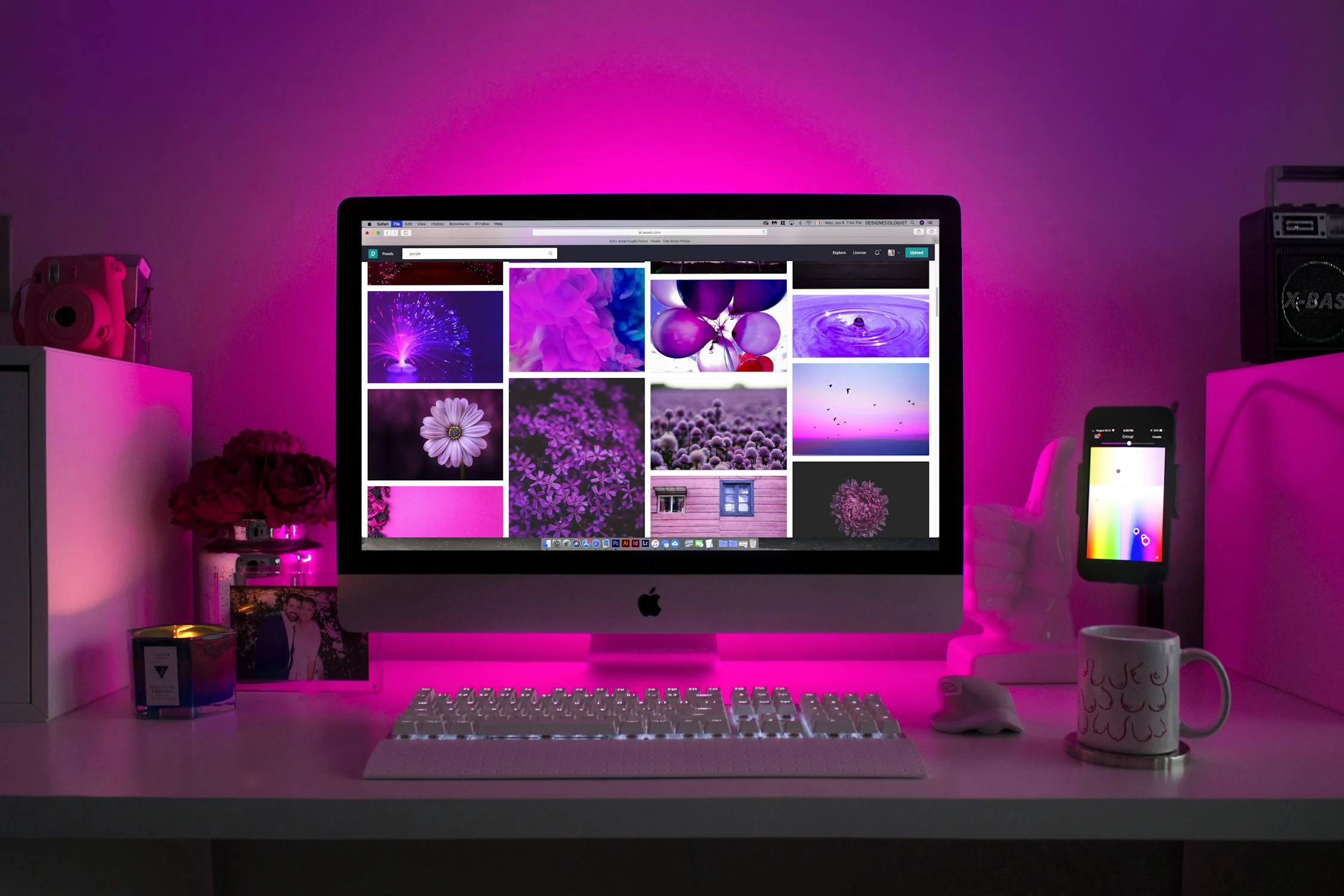 A well-designed interface is crucial for user engagement and conversions.
4. Avoiding the "Ghosting" Pitfall
The biggest complaint in our industry is poor communication. At BKThemes, we combat this with:
- Transparent Project Management: Using tools like Asana or Trello for real-time updates.
- Strategic Documentation: Every project starts with a technical brief that outlines your SEO and Link Building goals.
- Direct Expert Access: You speak with the developers, not just a salesperson.
Conclusion: Turning Your Website Into Your Best Investment
Choosing a professional web design agency isn’t just about getting a sleek, modern visual refresh—it’s about building a predictable revenue engine. By holding potential partners to the 3-Point Agency Audit, you ensure your site is built on a technical foundation that ranks on search engines, converts visitors into customers, and adapts to evolving web standards over time.
Don't settle for agencies that treat website design as a one-time transaction. Invest in a dedicated team that prioritizes transparency, search visibility, and long-term performance from day one, so your digital presence continues driving growth for years to come.
Frequently Asked Questions (FAQs)
For more insights into creating a high-performance website, explore our article on Key Elements of a Great User Experience.
Ready to Build a Site That Actually Ranks?
Don't settle for a site that sits in the "Crawled - Not Indexed" graveyard. Partner with an strategic agency that prioritizes search visibility from day one.
About the Author
Brian Keary
Founder & Lead Developer
Brian is the founder of BKThemes with over 20 years of experience in web development. He specializes in WordPress, Shopify, and SEO optimization. A proud alumnus of the University of Wisconsin-Green Bay, Brian has been creating exceptional digital solutions since 2003.
Expertise
Writing since 2003