1. Choosing the Right Infrastructure (2026 Plans)
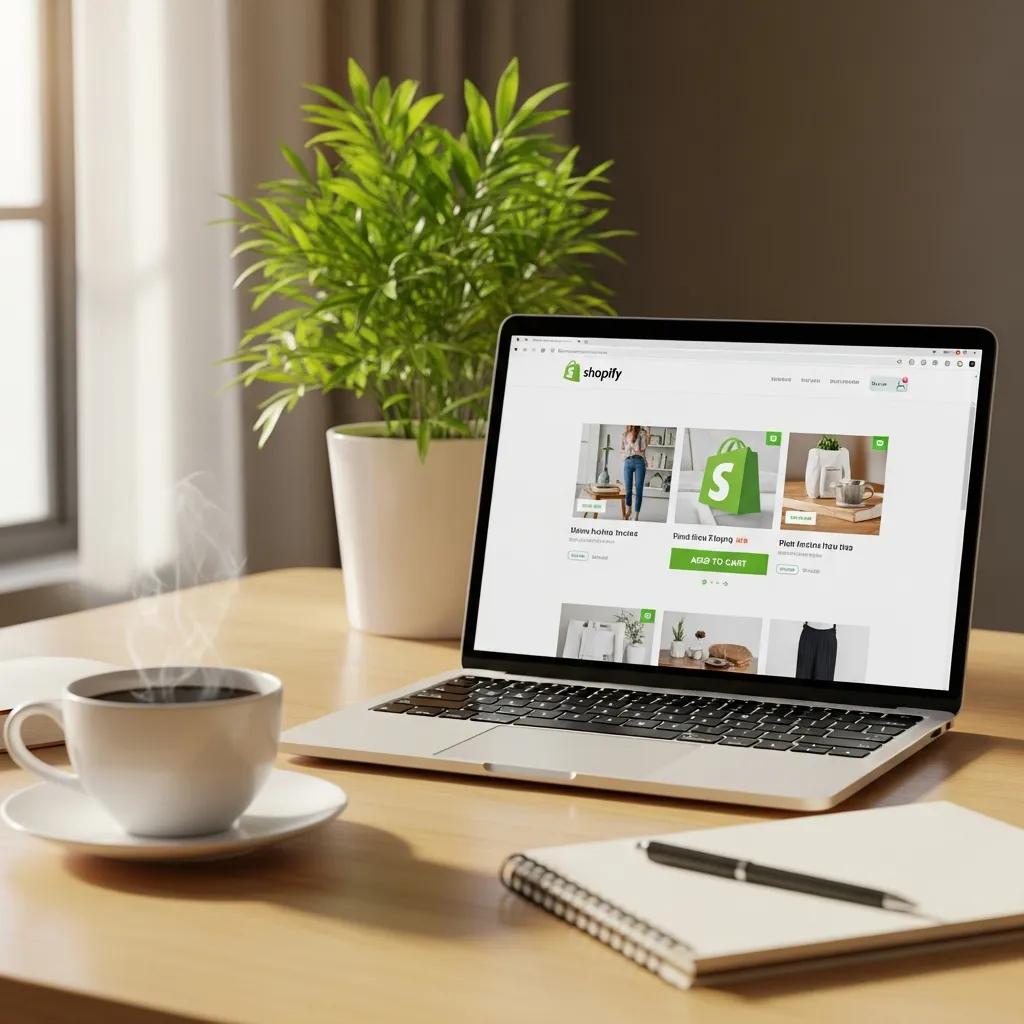
The foundation of your indexation starts with your Shopify Plan. While the interface is user-friendly, the backend capabilities vary significantly between tiers.
- Basic Shopify: Best for emerging brands focusing on direct-to-consumer (DTC) sales.
- Shopify (Standard): Ideal for growing businesses requiring professional reporting and lower transaction fees.
- Advanced Shopify: Necessary for high-volume stores that utilize custom API integrations and advanced third-party logistics (3PL).
Pro Tip: If your site is crawled but not indexed, ensure your storefront password is removed. Google cannot index a store that is technically behind a "Coming Soon" wall.

2. Design Architecture: Performance-First Themes
In 2026, Google’s ranking algorithm heavily weights Page Experience. Choosing a "pretty" theme that is code-heavy will hurt your indexation.
- OS 2.0 Integration: Ensure your theme uses Shopify’s Online Store 2.0 architecture for modular, fast-loading sections.
- Mobile-First Rendering: Over 80% of e-commerce traffic in 2026 is mobile. Use the Inspection Tool to ensure Googlebot Mobile can render your menu and checkout buttons without errors.
- Branding Consistency: Use high-resolution, WebP-formatted imagery to maintain Brand Authority without sacrificing load speed.
3. Product Management for Search Entities
Google no longer sees products as just "pages"; it sees them as Entities.
- Structured Data (Schema): Every product must have valid
ProductandOfferschema. This allows Google to show your price, availability, and Customer Reviews directly in the search results. - Collection Logic: Use automated collections to keep your Shopify Maintenance low while ensuring a logical internal linking structure that helps Google crawl your entire catalog.
4. 2026 Conversion Triggers: Payments & Shipping
Cart abandonment is often a technical failure. Optimize these "Bottom of Funnel" signals to improve your site's quality score:
- Shop Pay & Accelerated Checkouts: Activating Shop Pay can increase checkout speed by 4x, a key signal for user retention.
- Transparent Logistics: Clearly define your Shipping and Delivery methods. Google’s 2026 "Merchant Center" integration rewards stores that provide accurate delivery estimates.
5. The Indexation Roadmap: SEO & Marketing
If you are struggling with "Crawled – Not Indexed," you must increase your Topical Authority.
- Semantic Content: Don't just list products. Use your Blog to create "How-to" guides that link back to your collections.
- Technical SEO Audit: Use Free Analytics to identify 404 errors or redirect loops that might be exhausting your crawl budget.
- Backlink Profiles: Strengthen your domain with High-Quality Link Building to move from a "new site" to a "trusted authority."
Scale Your Store with Certified Experts
Building a Shopify store is easy; building a profitable, indexed Shopify store requires 20 years of technical expertise. At BKThemes, we specialize in taking Shopify stores from "Invisible" to "Industry Leader."
📧 Stay Updated
Get the latest web development tips and insights delivered to your inbox.
About the Author

Brian Keary
Founder & Lead Developer
Brian is the founder of BKThemes with over 20 years of experience in web development. He specializes in WordPress, Shopify, and SEO optimization. A proud alumnus of the University of Wisconsin-Green Bay, Brian has been creating exceptional digital solutions since 2003.
Expertise
Writing since 2003