Introduction: The Google Sandbox Myth vs. Reality
1. The 2026 "Sandbox" Reality Check
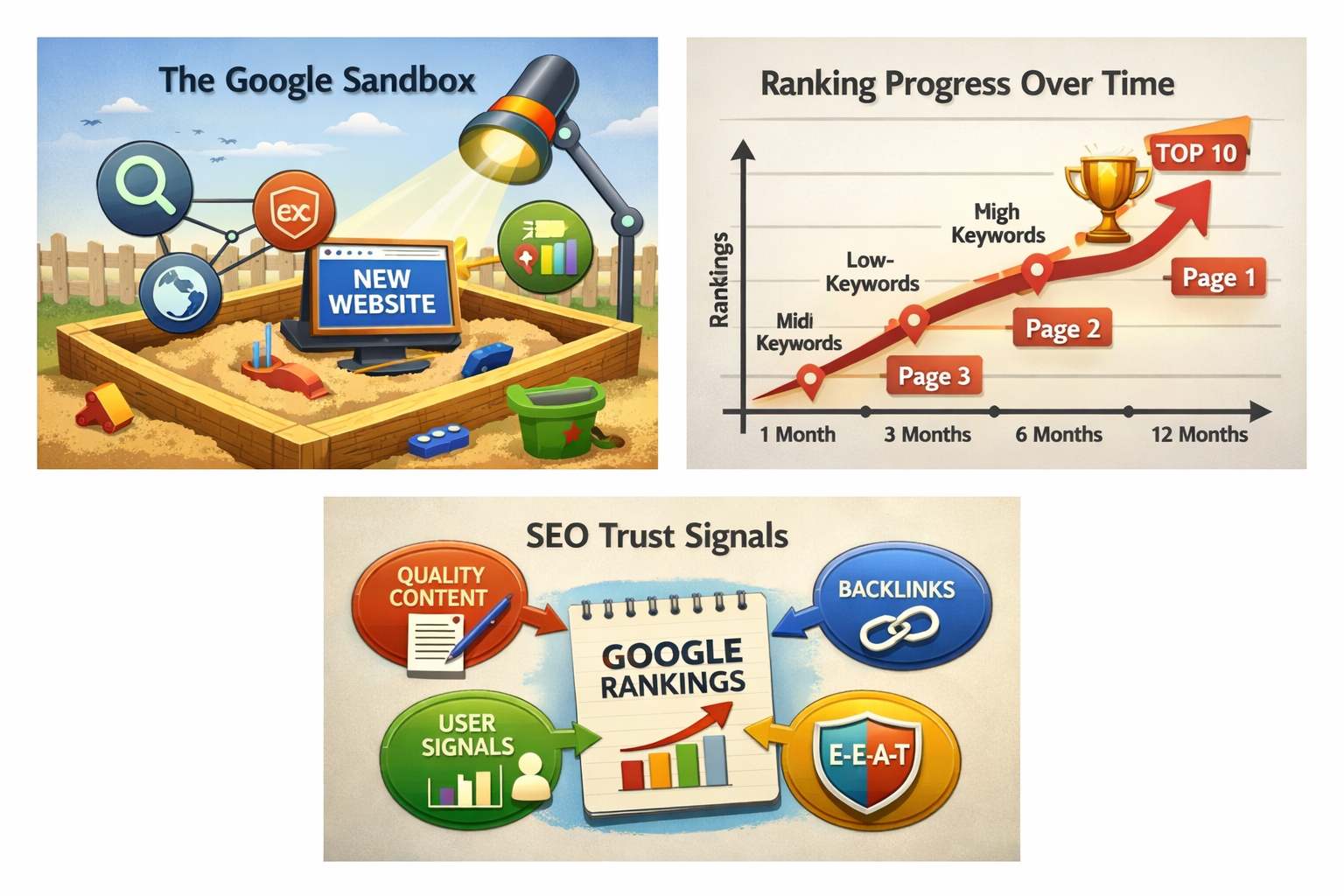
In 2026, the "Sandbox" isn't a single switch; it’s a collection of AI-driven trust filters. Googlebot has likely already crawled your site, but it is holding your content in a "buffer" to verify your site isn't generating mass AI spam.
Why Google is Ghosting Your New Content:
- Entity Verification Lag: Google is trying to connect your domain to a real person or business.
- Signal Deficit: Without user behavior data (clicks, dwell time), Google lacks the confidence to "rank" you.
- The Freshness Filter: New domains often experience a 3-6 month delay before their backlink profile is fully weighted.
2. Strategic Timelines: What to Expect
| Milestone | Standard Timeline | "Accelerated" Timeline |
|---|---|---|
| Indexation | 1–2 Weeks | < 24 Hours |
| Brand Keyword Rank | 1 Month | 1 Week |
| Long-Tail Keywords | 3–6 Months | 1 Month |
3. How to Force Your Way Out (The "Escape" Framework)
Pillar 1: Semantic Content Clustering
Google no longer ranks isolated posts. To escape the sandbox, you must prove Topical Authority.
- Action: Don't just write about the Sandbox. Link this post to your guides on EEAT Principles and Maintenance Packages.
- The Result: You create a "web of relevance" that makes it easier for Google to categorize your entity.
Pillar 2: Technical Trust Signals
If your page is crawled but not indexed, check your SEO Tools for these three things:
- JSON-LD Schema: Are you using
ArticleandPersonschema to tell Google exactly who wrote this? - Internal Linking: This post should be linked from your Home Page or a high-traffic service page.
- Core Web Vitals: In 2026, slow sites stay in the sandbox longer. Ensure your Shopify or WordPress setup is optimized for speed.
Pillar 3: Triggering "User Discovery"
Google's indexation is often triggered by external pings.
- Social Proof: Share the URL on LinkedIn and X.
- Newsletter Pings: Send the link to your email list. Real human traffic is the fastest way to "prove" to Google that your content is worth indexing.
4. Common Pitfalls to Avoid
- Aggressive Link Building: Building 100 low-quality links in month one will extend your stay in the sandbox.
- Thin Content: If your post is under 800 words and lacks original images, Google may deem it "low value" and keep it out of the index.
Stop Waiting, Start Ranking
The Google Sandbox is only a barrier for those who wait for Google to come to them. By using Certified SEO Strategies and building a robust Service-Based Entity, you can cut your wait time by 70%.
FAQs About the Google Sandbox
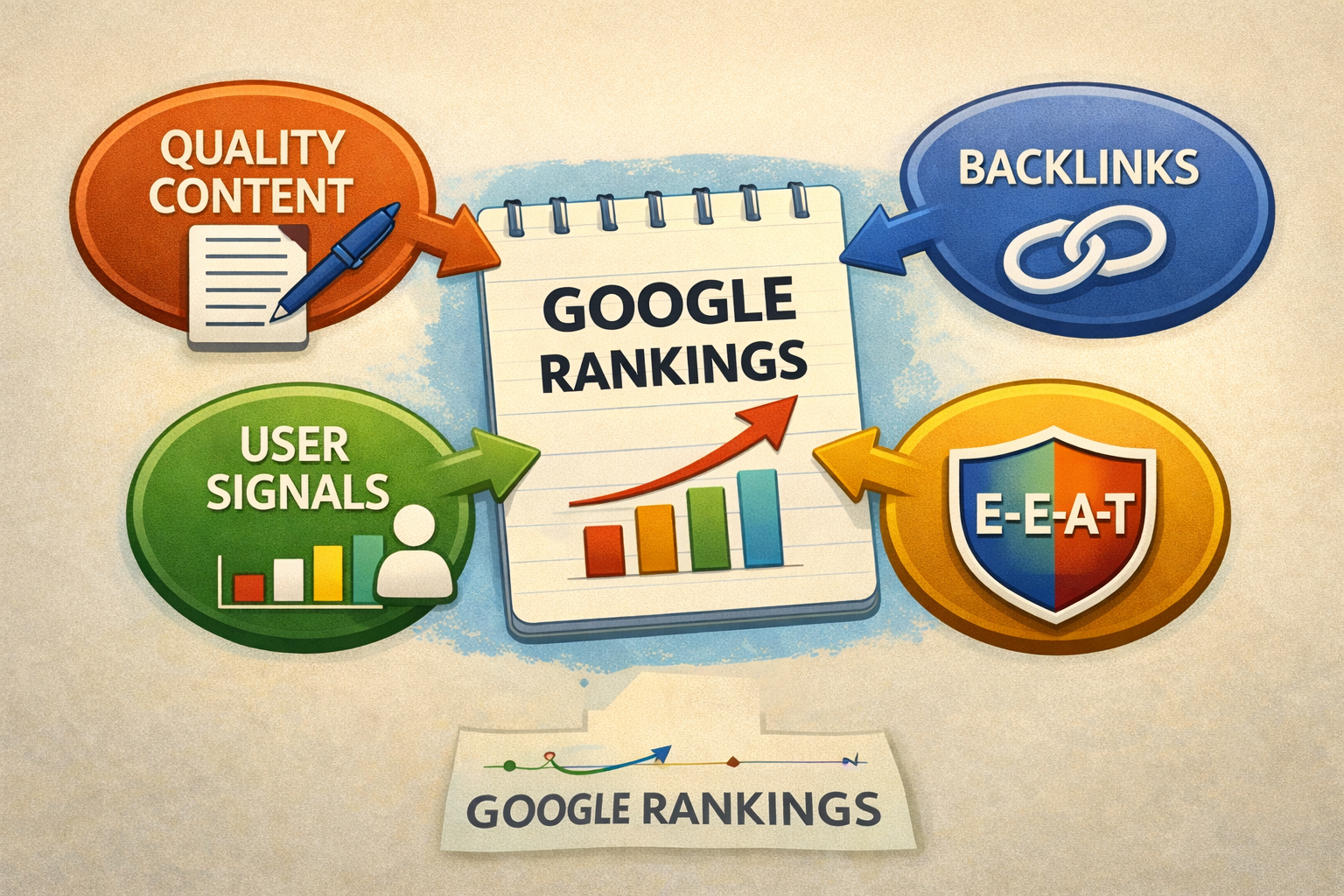
Image: SEO Trust Signals Diagram
- Get a Free SEO Analytics Audit
- Explore our Web Development Services
- Schedule a Consultation with Brian Keary
Looking for implementation support? Visit our web development services page for the full service overview.
About the Author

Brian Keary
Founder & Lead Developer
Brian is the founder of BKThemes with over 20 years of experience in web development. He specializes in WordPress, Shopify, and SEO optimization. A proud alumnus of the University of Wisconsin-Green Bay, Brian has been creating exceptional digital solutions since 2003.
Expertise
Writing since 2003