
In today's competitive environment, merely having a website isn't enough; it must be a delight to use. This comprehensive guide will illuminate how deliberately improving website user experience through design is the most potent strategy for boosting your search engine rankings, captivating your audience, and converting visitors into loyal customers.
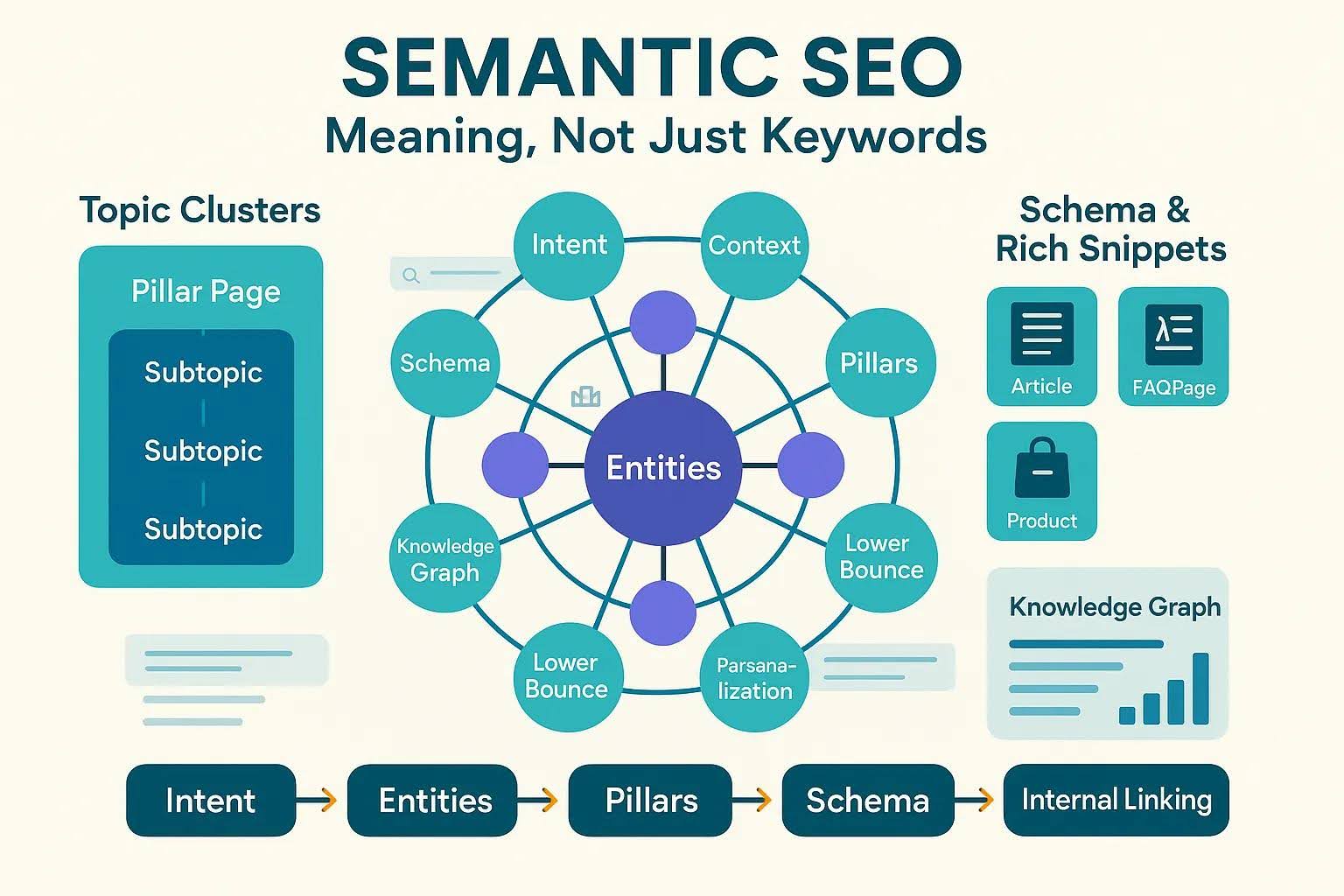
Use this as the foundation for your UX work. For deeper implementation guidance, see our focused guides to Core Web Vitals, semantic SEO, small-business UX branding, and color choices in web design.
The Symbiotic Relationship: UX Design and SEO Performance
Google's algorithms are increasingly sophisticated, mirroring human judgment. They prioritize websites that offer genuine value and a seamless experience. When users are happy, Google takes notice. Here’s how a stellar UX directly influences your SEO:
- Reduced Bounce Rate: If visitors find what they need quickly and easily, they stay longer. This signals relevance and quality to search engines.
- Increased Time on Page/Site: Engaging content, intuitive navigation, and fast loading times encourage deeper exploration, a strong positive SEO signal.
- Higher Click-Through Rate (CTR): A well-designed, visually appealing search snippet (through structured data and good metadata) and a positive on-site experience encourage repeat clicks.
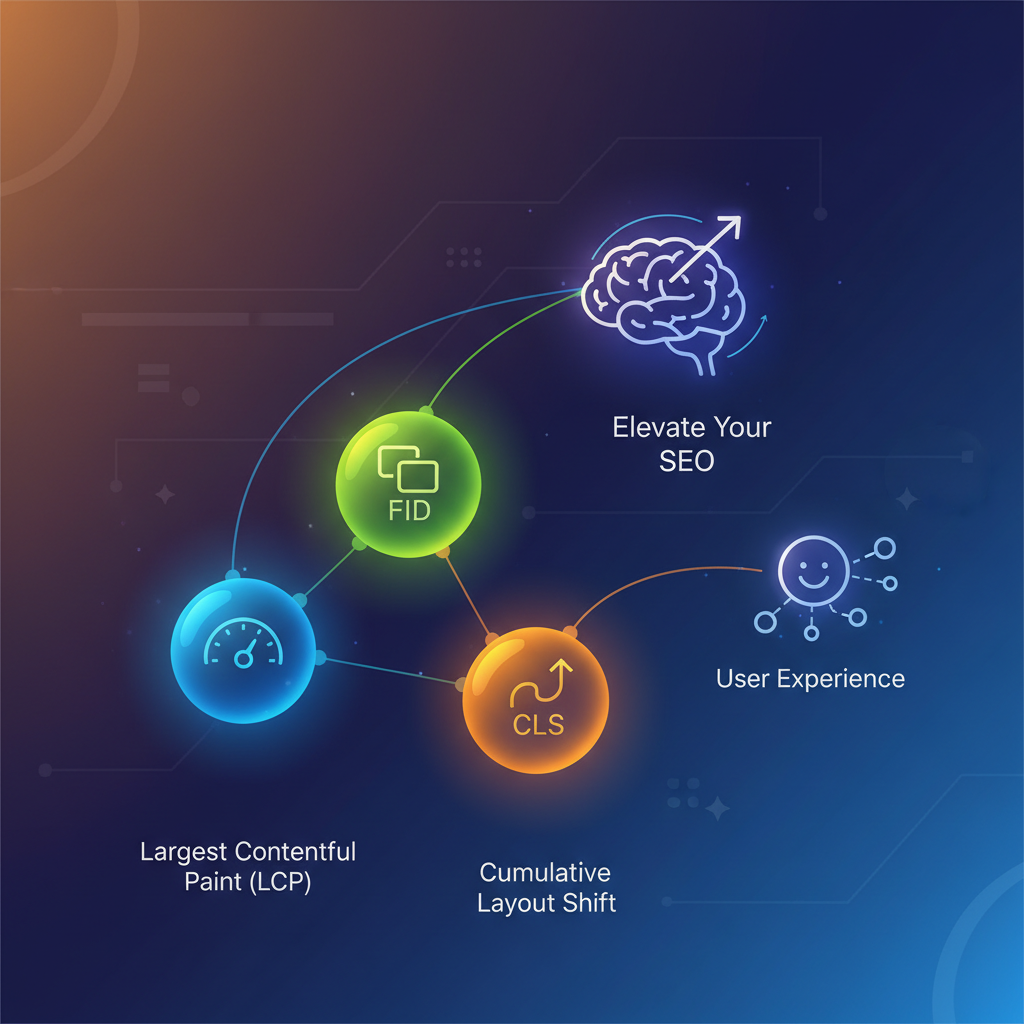
- Improved Core Web Vitals: Design choices directly impact crucial metrics like Largest Contentful Paint (LCP), First Input Delay (FID), and Cumulative Layout Shift (CLS), which are core ranking factors. You can learn more about these on Google's Web Vitals documentation.
- Better Mobile Rankings: A responsive, mobile-first design ensures your site performs exceptionally on all devices, crucial for Google's mobile-first indexing.
Ultimately, a website designed with the user in mind is naturally optimized for search engines. It's about earning your ranking, not just chasing it.
Core Pillars of Exceptional Website UX Design
A truly user-centric design approach considers every interaction. Here are the foundational elements:
1. Intuitive Navigation and Information Architecture
Your website's structure should be a clear roadmap. Users should never feel lost or confused about where to go next. Key considerations include:
- Clear, Concise Menus: Use descriptive labels and a logical hierarchy.
- Effective Search Functionality: For larger sites, a robust and accurate search bar is essential.
- Breadcrumbs: To help users understand their current location within your site's structure.
- Contextual Links: Guiding users to related content naturally within the text.
2. Visually Appealing and Consistent Aesthetics

Design is your brand's first handshake. A professional, consistent, and aesthetically pleasing interface builds trust and enhances credibility.
- Brand Cohesion: Consistent use of logos, colors, and typography across all pages.
- Readability: Optimal font choices, line spacing, and contrast for easy reading.
- High-Quality Imagery: Relevant, optimized images and videos that enhance content without bogging down load times.
- Whitespace: Strategic use of negative space to reduce clutter and improve focus.
3. Blazing Fast Performance and Responsiveness
In an age of instant gratification, speed is not a luxury; it's a necessity. A slow website equals a frustrating experience and lost visitors.
"Did you know that 53% of mobile site visits are abandoned if pages take longer than 3 seconds to load?" - Google
Prioritize:
- Page Load Speed: Optimize images, leverage browser caching, minify CSS/JavaScript, and choose a reliable hosting provider.
- Mobile Responsiveness: Ensure your site adapts flawlessly to all screen sizes, from desktops to smartphones. This is non-negotiable for modern SEO.
- Accessibility: Designing for all users, including those with disabilities, is not just ethical but also expands your audience. Adhere to standards like those from the Web Accessibility Initiative (WAI).
User Experience Services
User Experience Services
Enhance your website's user experience with our specialized services.
Explore User Experience Services4. Engaging Content Presentation and Interaction
Even the most valuable content can fail if it's not presented in an engaging and easily digestible format. Design helps bring content to life.
- Scannable Layouts: Use headings, subheadings, bullet points, and short paragraphs to break up text.
- Clear Calls to Action (CTAs): Guide users with prominent, action-oriented buttons and links.
- Interactive Elements: Quizzes, calculators, sliders, or embedded videos can significantly boost engagement.
Practical Strategies for Improving Your Website's UX
Ready to actively start improving website user experience through design? Here's a checklist of actionable steps:
| UX | Aspect | Recommended Action Expected Impact |
|---|---|---|
| Navigation | Simplify main menu; use clear, descriptive labels. Implement breadcrumbs. | Easier content discovery, reduced confusion, better site crawlability. |
| Performance | Compress images; leverage lazy loading; minimize CSS/JS; optimize server response time. | Faster page loads, improved Core Web Vitals, lower bounce rate. |
| Mobile Experience | Ensure responsive design; test on various devices; prioritize touch targets. | Seamless experience for mobile users, better mobile rankings. |
| Content Presentation | Break up long texts; use headings, lists, and embed relevant media. | Increased readability, higher engagement, longer time on page. |
| Accessibility | Provide alt text for all images; ensure keyboard navigation; sufficient color contrast. | Wider audience reach, legal compliance, and positive brand image. |
| Feedback & Testing | Conduct A/B testing on design elements; gather user feedback; analyze heatmaps. | Data-driven improvements, optimized conversion paths. |
Frequently Asked Questions About UX Design and SEO
Conclusion: Design Your Way to Digital Dominance
For three decades, I've observed that the most successful websites are those that put their audience at the center of every decision. By earnestly improving website user experience through design, you are not just ticking off an SEO checklist; you are building a robust, future-proof digital asset that genuinely serves your users. This translates into higher engagement, better conversions, a stronger brand, and ultimately, superior performance in search engine rankings.
Don't view UX design as an expense, but as an indispensable investment in your website's long-term success. Start assessing, optimizing, and iterating today. Your users, and Google, will thank you for it.
About the Author

Brian Keary
Founder & Lead Developer
Brian is the founder of BKThemes with over 20 years of experience in web development. He specializes in WordPress, Shopify, and SEO optimization. A proud alumnus of the University of Wisconsin-Green Bay, Brian has been creating exceptional digital solutions since 2003.
Expertise
Writing since 2003