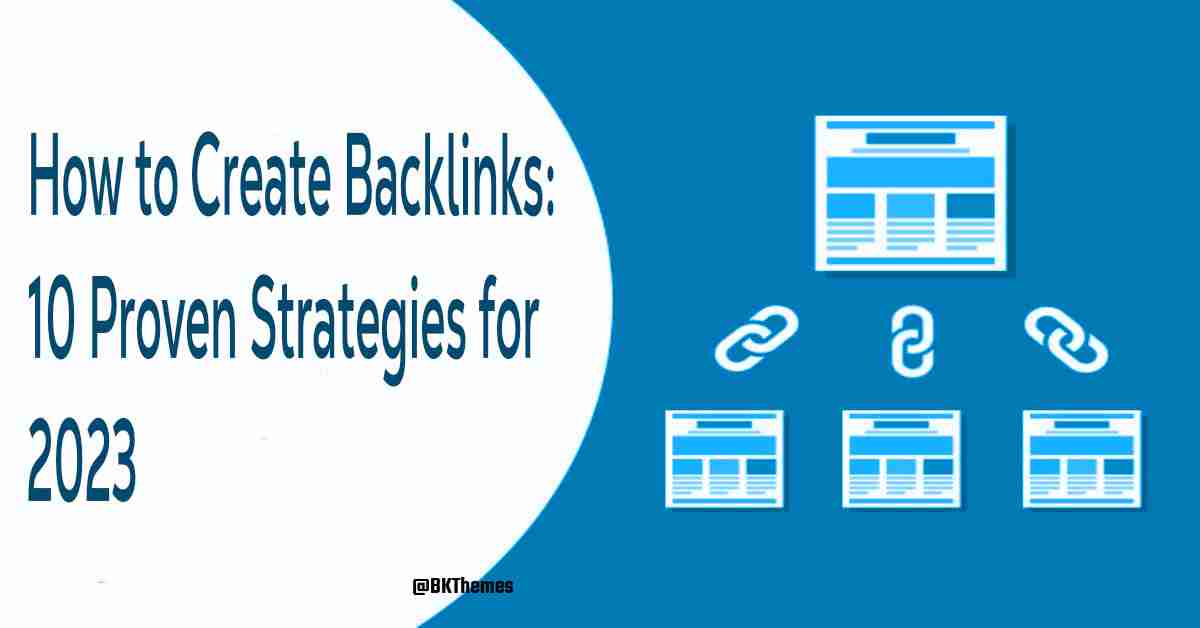
How to Create Backlinks: 10 Proven Strategies for 2026
Backlinks are incoming hyperlinks from one web page to another and serve as a primary ranking factor for search engines. Building a robust backlink profile requires strategic, ethical, and impactful outreach to earn endorsements from authoritative websites.
Key Takeaways
- Content is King: Creating exceptional, valuable content is the foundation for earning natural backlinks.
- Guest Blogging Works: Contribute high-quality articles to reputable websites in your niche.
- Fix Broken Links: Identify and replace broken links on other sites with your own relevant content.
- Leverage Resource Pages: Get your content listed on curated lists of helpful resources.
- Claim Unlinked Mentions: Monitor for mentions of your brand and request a link.
- Digital PR for Authority: Earn links from news outlets and authoritative blogs through compelling stories.
- Expert Roundups Offer Exposure: Participate in expert compilations for quick link opportunities.
- Social Media Amplifies: Use social platforms to promote your content and increase its discoverability.
- Analyze Competitors: Learn from where your competitors are getting their links.
- Build Relationships: Foster genuine connections within your industry for organic link growth.
- Quality Over Quantity: Focus on acquiring links from relevant, authoritative sources.
- Avoid Risky Tactics: Steer clear of buying links or using manipulative schemes.
1. How can you create exceptional, link-worthy content?
The most fundamental strategy for creating backlinks is to produce content that others want to link to. This means going beyond the ordinary and creating something truly exceptional. Think of it as building a magnet for links. What makes content link-worthy? It's usually content that is:
- In-depth and comprehensive: Covering a topic thoroughly, providing unique insights, and answering all potential user questions.
- Original and data-driven: Featuring unique research, surveys, case studies, or expert interviews that offer new perspectives.
- Highly valuable and practical: Offering actionable advice, tutorials, tools, or resources that solve a problem for the reader.
- Visually engaging: Incorporating infographics, high-quality images, videos, or interactive elements that make the content more appealing and shareable.
- Entertaining or thought-provoking: Content that evokes emotion, sparks discussion, or offers a unique take on a subject can also attract links.
Imagine you've just published a definitive guide on sustainable gardening practices. It includes original research on soil health, step-by-step video tutorials for composting, and beautiful infographics illustrating plant life cycles. Other gardening blogs, environmental websites, and even educational institutions would be far more inclined to link to this resource than a superficial blog post. Creating this caliber of content is the bedrock upon which all other link-building efforts are built. Without it, your outreach will fall on deaf ears.
Actionable Steps for Creating Link-Worthy Content
- Identify your audience's pain points: What questions are they asking? What problems do they need solved?
- Conduct thorough keyword research: Understand what terms people are searching for related to your niche.
- Analyze competitor content: What are they doing well? Where are the gaps you can fill?
- Invest in quality: Hire writers, designers, or videographers if needed to elevate your content.
- Promote your content: Don't just publish and pray; actively share your best pieces across relevant channels.
2. How do you use guest blogging to earn backlinks?
Guest blogging remains a powerful method for earning backlinks and establishing authority in your industry. This involves writing and publishing an article on another website within your niche. The key here is reputable. You want to target websites that have an established audience, a good domain authority, and content that aligns with your own.
When done correctly, guest blogging offers a double benefit: you gain a valuable backlink (usually in the author bio or contextually within the content) and you expose your brand to a new, relevant audience. It’s a fantastic way to demonstrate your expertise and drive referral traffic. For instance, if you run an e-commerce store selling artisanal coffee, writing a guest post for a popular food blog about "The Art of the Perfect Pour-Over" could earn you a link back to your site and introduce your brand to thousands of coffee enthusiasts.
However, the landscape has shifted. Simply churning out generic articles for any site that will accept them won't cut it. Focus on quality placements that offer genuine value to both the host site's audience and your own. Think about the synergy between your brand and the host site. Does your expertise complement their content? Can you offer a unique perspective they haven't covered? This is where the real magic happens.
Actionable Steps for Guest Blogging
- Identify target websites: Look for sites with good domain authority, relevant content, and an active readership.
- Analyze their content: Understand their style, tone, and the topics they cover.
- Pitch unique ideas: Offer article topics that haven't been covered or that offer a fresh angle.
- Write a high-quality post: Deliver exceptional content that benefits their audience.
- Include a natural link: Place your link contextually within the content or in your author bio.
Domain Authority (DA) by Moz Domain Authority Checker and Domain Rating (DR) by Ahrefs Website Authority Checker act as directional barometers for link quality selection. They help filter prospects by predicting a site's overall ranking strength and link equity, though neither score is used directly by Google.
Using Authority Metrics for Selection
- Screening Baseline: High scores (e.g., DA/DR 50+) generally point to established sites with proven trust, while very low scores highlight unvetted or brand-new domains.
- Comparative Benchmarking: Metrics are best used to compare a target site against its direct niche competitors rather than judging it by a universal standard.
- Risk Identification: Pairing DA/DR with tools like Moz Spam Score helps flag manipulative link profiles or toxic websites.
Limitations and Best Practices
- Not Ranking Factors: Google relies on page-level signals and its own internal metrics, meaning high scores do not guarantee performance.
- Susceptible to Inflation: Shady operators can artificially inflate metrics using tiered or manipulated link networks.
- Traffic Verification: Always cross-reference authority scores with actual organic search traffic and content quality to avoid empty or penalized domains.
3. Broken Link Building
Broken link building is a clever and ethical strategy that involves finding broken links (dead links that lead to 404 error pages) on other websites and suggesting your own relevant content as a replacement. This is a win-win scenario: you help the website owner improve their user experience by fixing a broken link, and you earn a valuable backlink in return.
Imagine you're browsing a well-respected industry blog and you discover an article that links to an external resource, but that resource no longer exists (a 404 error). You can reach out to the blog's editor or webmaster, kindly point out the broken link, and suggest a piece of your own content that covers the same topic or a related one. You might say, "I noticed the link to [dead resource] on your recent post about [topic] is now a 404 error. I recently published a comprehensive guide on [related topic] that your readers might find useful as a replacement. You can find it here: [your link]." This approach is non-intrusive and highly effective when executed thoughtfully.
Tools like Ahrefs, SEMrush, or even free Chrome extensions can help you identify broken links on websites you're targeting. The more relevant your suggested content is to the context of the original link, the higher your chances of success. It requires a bit of detective work, but the payoff in terms of high-quality backlinks can be significant.
Actionable Steps for Broken Link Building
- Identify relevant websites: Look for sites in your niche that are likely to have older content.
- Use tools to find broken links: Employ SEO software or browser extensions to scan pages.
- Check the context of the broken link: Ensure there's a logical replacement for it.
- Craft a polite outreach email: Clearly state the issue and offer your content as a solution.
- Track your outreach: Keep a record of who you contacted and the results.
4. Resource Page Link Building
Resource pages are curated lists of helpful links that a website deems valuable for its audience. These pages often act as a central hub for information on a particular topic. Think of them as digital libraries or recommended reading lists. Many websites create these pages to provide extra value to their visitors, and they are excellent targets for link-building efforts.
To implement this strategy, you first need to identify resource pages relevant to your niche. You can do this by searching Google for terms like "[your topic] + resources," "[your topic] + useful links," or "[your topic] + recommended sites." Once you find a relevant resource page that doesn't currently link to your website, you can reach out to the site owner.
Your outreach should highlight the value your content brings and explain why it would be a beneficial addition to their resource list. For example, if you have an extensive guide on vegan baking, you might contact a popular vegan lifestyle blog that has a "Helpful Resources" page. You could suggest your guide, explaining how it complements their existing links and offers practical, in-depth information for their readers interested in vegan baking. This strategy is effective because resource page creators are actively looking for high-quality content to share with their audience.
Actionable Steps for Resource Page Link Building
- Search for relevant resource pages: Use targeted Google searches with keywords like "resources," "links," or "recommended."
- Evaluate the page's quality: Ensure it's well-maintained and relevant to your niche.
- Check if your content is already listed: If not, proceed with outreach.
- Craft a compelling pitch: Explain the value of your content and why it fits their audience.
- Personalize your outreach: Address the site owner by name and reference their existing content.
5. Unlinked Brand Mentions
Unlinked brand mentions occur when your brand, product, or service is mentioned online, but no hyperlink is included back to your website. This is a goldmine for link building because it signifies that someone has already referenced your brand, indicating interest and relevance. All you need to do is claim that mention by securing a link.
Many websites, news outlets, and blogs might write about your company, a product you launched, or an event you participated in without automatically linking back to your site. This often happens organically. You can use tools like Google Alerts, Mention, or specialized SEO platforms to monitor your brand name and other relevant keywords. When you find an unlinked mention, reach out to the website owner or editor.
A polite email can go a long way. You might say, "I saw your recent article mentioning [your brand name] and wanted to thank you for the coverage! We're thrilled you found our [product/service] noteworthy. To make it easier for your readers to learn more, would you consider adding a link to our website at [your website URL]?" This is a low-effort way to acquire a valuable backlink, as the content already exists and the mention is positive. It’s like finding free advertising that also boosts your SEO.
Actionable Steps for Unlinked Brand Mentions
- Set up monitoring tools: Use Google Alerts or other services to track brand mentions.
- Regularly check for mentions: Don't just set it and forget it; review your alerts consistently.
- Prioritize relevant mentions: Focus on sites that are authoritative and relevant to your industry.
- Send a personalized outreach message: Thank them for the mention and request a link.
- Be persistent but polite: If you don't get a response, a gentle follow-up is acceptable.
6. Digital PR and Outreach Campaigns
Digital PR involves creating compelling stories, data, or assets that journalists, bloggers, and influencers want to share. This is about earning media coverage and, consequently, high-quality backlinks from authoritative sources. Think of it as traditional PR, but with a digital-first approach focused on generating online visibility and links.
A successful digital PR campaign might involve releasing original research data, creating a visually stunning infographic based on industry trends, or launching a unique campaign that generates buzz. For instance, a study revealing surprising consumer behavior patterns in your niche, complete with shareable charts and expert commentary, is highly likely to attract the attention of journalists and bloggers looking for compelling content. When they write about your findings, they'll often link back to the original source – your website.
This strategy requires a good understanding of what makes a story newsworthy and what kind of content resonates with media outlets. It's about building relationships with journalists and providing them with valuable information that makes their job easier. This isn't just about getting links; it's about building brand credibility and authority on a larger scale. Building these connections is vital for long-term success. You can explore Master Link Building: Practical Outreach Playbook for more on ethical outreach.
Actionable Steps for Digital PR
- Identify newsworthy angles: What unique data, stories, or perspectives can you offer?
- Create compelling assets: Develop research, infographics, videos, or interactive tools.
- Build a media list: Identify relevant journalists, bloggers, and publications.
- Craft a persuasive pitch: Clearly articulate your story's value and relevance.
- Follow up professionally: Maintain communication without being overly pushy.
7. Participate in Expert Roundups
Expert roundups are articles where a host website solicits insights or quotes from multiple experts on a specific topic. Participating in these roundups is a fantastic way to gain exposure to a new audience and secure a backlink from an established website. It’s like getting a mini-shoutout from an authority.
To get involved, you can actively search for expert roundup opportunities. Use search queries like "[your topic] + expert roundup," "[your topic] + asking the experts," or "[your topic] + industry experts weigh in." You might also find opportunities by following industry influencers and blogs that frequently publish this type of content.
When you're invited to contribute, provide a concise, insightful answer that showcases your expertise. Ensure you include your name, title, and website URL when submitting your contribution. The host site will typically compile all the expert responses into a single article, linking back to each participant's website. This strategy is relatively low-effort compared to some others, but it can yield significant results, especially if you're featured on a high-traffic, relevant website. It’s a straightforward path to earning a quality link.
Actionable Steps for Expert Roundups
- Search for opportunities: Use targeted Google searches to find active roundups.
- Follow industry leaders: Keep an eye on blogs that frequently host roundups.
- Respond promptly and thoughtfully: Provide valuable, concise insights.
- Ensure your details are correct: Double-check your name, title, and website URL.
- Share the published article: Promote the roundup on your own channels to maximize exposure.
8. Leverage Social Media for Link Promotion
While social media platforms themselves rarely provide direct SEO value through "dofollow" links, they are incredibly powerful tools for promoting your content and making it discoverable, which in turn can lead to backlinks. Think of social media as the megaphone that amplifies your link-worthy content.
When you publish a fantastic piece of content, share it across all your relevant social media profiles. Engage with your followers, encourage shares, and participate in relevant groups or communities. The more eyes that see your content, the higher the probability that someone influential or relevant will discover it and decide to link to it from their own website.
For example, if you share a compelling infographic about the benefits of mindfulness on LinkedIn, a mental health professional might see it, find it valuable, and decide to include it in a blog post on their website, linking back to yours. Furthermore, platforms like Pinterest can drive significant traffic and indirectly lead to links, especially for visually appealing content. Don't underestimate the power of a well-timed share or a strategic post in a relevant Facebook group. It’s all part of the ecosystem that can lead to valuable backlinks.
Actionable Steps for Social Media Promotion
- Identify your key social channels: Focus on platforms where your target audience is active.
- Create engaging social posts: Use compelling visuals and concise copy to promote your content.
- Encourage sharing and engagement: Ask questions, run polls, and respond to comments.
- Join relevant groups and communities: Share your content where appropriate and add value.
- Track social traffic: Monitor which platforms are driving the most engagement and referral traffic.
9. Competitor Backlink Analysis
Understanding where your competitors are getting their backlinks is a goldmine of information. By analyzing their backlink profiles, you can identify opportunities that you might have missed. This is about reverse-engineering their success to find potential link sources for your own website.
Tools like Ahrefs, SEMrush, and Moz allow you to input a competitor's domain and see a comprehensive list of websites linking to them. You can then filter these links to find those that are most relevant to your niche and that appear to be high-quality placements. If multiple competitors are getting links from the same website, it's a strong indicator that this site is open to linking to businesses in your industry.
Once you identify a promising backlink source, you can then strategize how to acquire a similar link. Perhaps they have a resource page, accept guest posts, or feature businesses in their community. This method provides a data-driven approach to link building, focusing your efforts on opportunities that have already proven effective for others in your space. It’s like having a cheat sheet for successful link acquisition. Understanding the intricacies of backlink profiles is key; for a deeper dive, check out Understanding Backlinks The Practical Guide To Boost Your Seo With Backlink Monitor.
Actionable Steps for Competitor Analysis
- Identify your top competitors: Choose websites that rank well for your target keywords.
- Use SEO tools to analyze their backlinks: Input their domain into tools like Ahrefs or SEMrush.
- Filter for relevant and high-quality links: Look for sites in your niche with good authority.
- Identify patterns and opportunities: Note common sources or types of links.
- Develop a strategy to acquire similar links: Tailor your approach based on the competitor's link profile.
10. Build Relationships and Network
This might sound less technical, but building genuine relationships within your industry is one of the most sustainable and effective ways to earn high-quality backlinks over time. Networking isn't just about making friends; it's about fostering a community where collaboration and mutual support can lead to organic link opportunities.
Engage in industry forums, attend virtual or in-person events, comment thoughtfully on blogs, and connect with other professionals on social media. When you consistently provide value, share helpful insights, and support others, you build a reputation. People are far more likely to link to resources shared by individuals they know, trust, and respect.
Imagine you frequently engage with other web designers on LinkedIn, offering helpful advice and sharing useful articles. When one of them creates a new blog post showcasing design trends and needs an example of a well-designed e-commerce site, they might think of you and link to your portfolio. This organic linking is often more valuable than anything you could achieve through aggressive, impersonal outreach. Nurturing these connections creates a natural flow of link opportunities. For more on ethical link building, explore 10 Proven Strategies For Quality Link Building That Skyrockets Your Website Authority.
Actionable Steps for Relationship Building
- Be active and visible: Participate in industry conversations online and offline.
- Provide genuine value: Offer help, share insights, and support others.
- Engage thoughtfully: Leave meaningful comments on blogs and social media posts.
- Attend industry events: Network with peers and potential collaborators.
- Nurture relationships: Stay in touch with contacts and look for mutually beneficial opportunities.
Mistakes to Avoid
Building backlinks is a marathon, not a sprint, and there are pitfalls that can derail your efforts. Steering clear of these common mistakes is just as important as implementing effective strategies.
- Focusing solely on quantity over quality: A thousand low-quality links from irrelevant or spammy sites will do more harm than good. Google's algorithms are sophisticated; they prioritize quality and relevance. A single link from a highly authoritative, relevant website is worth more than dozens from questionable sources.
- Buying links: This is a risky practice that can lead to severe penalties from search engines. While tempting, paying for links often results in acquiring low-quality or artificial links that can damage your site's reputation and rankings. It's a short-term gain with long-term consequences.
- Ignoring relevance: Linking to a website about vintage cars from an article about quantum physics makes no sense. Search engines look for contextual relevance. Ensure that the websites linking to you, and the content on those pages, are thematically related to your own website.
- Using manipulative tactics: Avoid link schemes, private blog networks (PBNs) used solely for link manipulation, and excessive link exchanges. These tactics are often detected by search engines and can result in significant ranking drops. Focus on earning links naturally through value.
- Neglecting internal linking: While external links (backlinks) are crucial, don't forget to link within your own website. Proper internal linking helps search engines understand your site structure, distributes link equity, and improves user navigation. Explore 10 Proven Seo Strategies To Skyrocket Your Website for more on holistic SEO.
Conclusion
Creating backlinks in 2026 is an art and a science. It requires a strategic blend of creating outstanding content, engaging in thoughtful outreach, and building genuine relationships within your industry. By focusing on the ten proven strategies outlined above – from crafting link-worthy content and mastering guest blogging to leveraging digital PR and analyzing competitor backlink profiles – you can systematically build a powerful and authoritative backlink profile. Remember, the goal isn't just to accumulate links, but to earn them through value, relevance, and credibility. Implement these tactics consistently, avoid the common pitfalls, and you'll be well on your way to significantly boosting your website's search engine rankings and driving more qualified organic traffic. Happy linking!
Frequently Asked Questions
About the Author

Brian Keary
Founder & Lead Developer
Brian is the founder of BKThemes with over 20 years of experience in web development. He specializes in WordPress, Shopify, and SEO optimization. A proud alumnus of the University of Wisconsin-Green Bay, Brian has been creating exceptional digital solutions since 2003.
Expertise
Writing since 2003