In the rapidly evolving digital landscape of 2026, the intersection of artificial intelligence and search engine optimization has become a focal point for content creators and marketers alike. Since the early days of search algorithms in 2003, the goal of major search engines has remained consistent: to surface the most relevant, helpful, and trustworthy information for users. Today, as AI-generated content floods the web, the challenge has shifted toward distinguishing genuine value from algorithmic noise. This is where the AI humanizer has emerged as a vital tool for those looking to maintain high search rankings and build a sustainable backlink profile.
What is the role of AI humanizers in SEO?
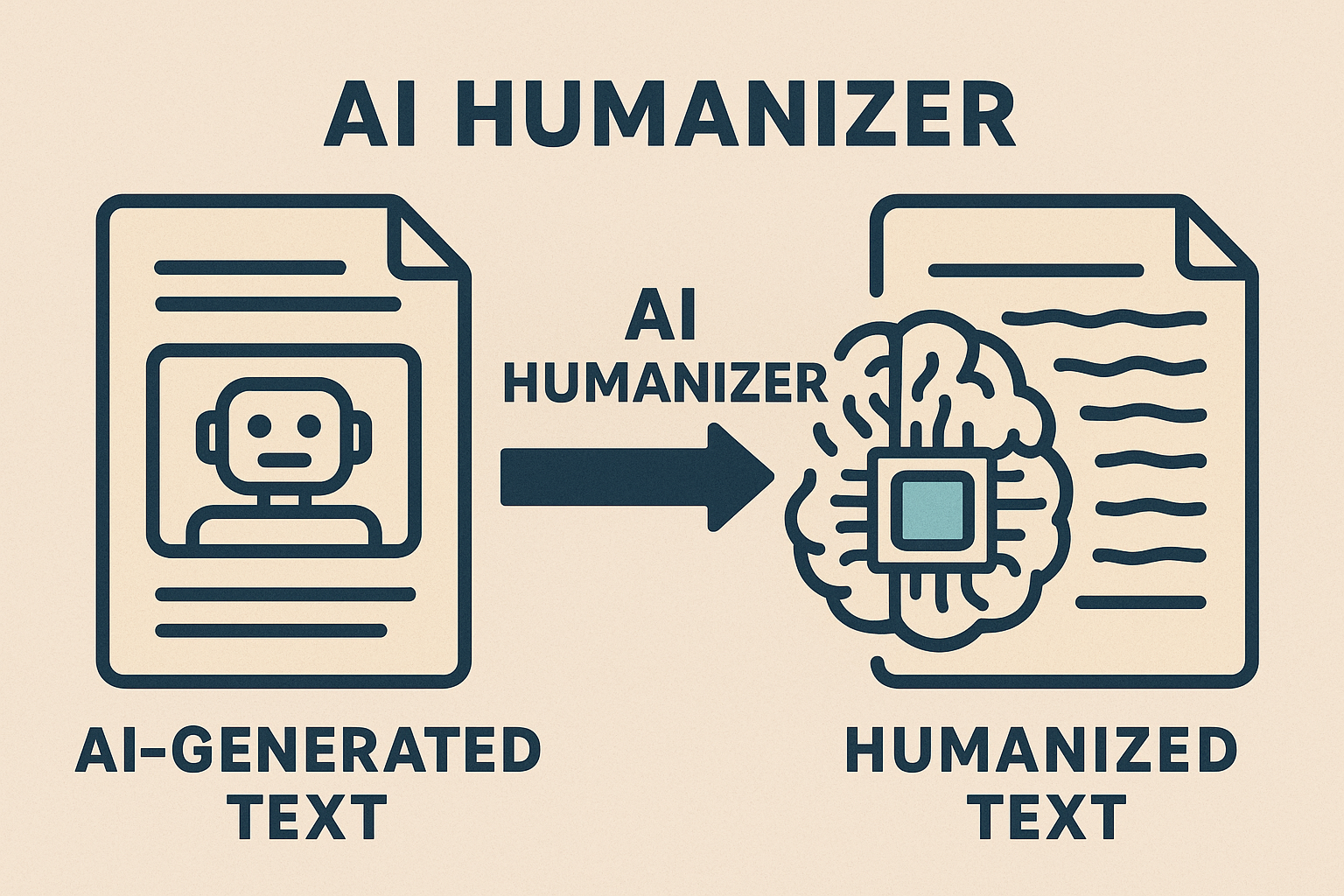
An AI humanizer is a specialized software tool designed to refine machine-generated text, transforming it into content that feels authentic, nuanced, and distinctly human. While raw AI drafts are often efficient at gathering data, they frequently suffer from repetitive patterns, robotic tone, and a lack of emotional resonance. Natural language processing algorithms within these tools work to identify these mechanical markers and replace them with varied sentence structures, idiomatic expressions, and a more engaging flow.
By utilizing platforms like HumanizeAI or Undetectable.ai, content teams can elevate their drafts to meet the high standards expected by modern readers. However, it is a mistake to view these tools as a "set it and forget it" solution. True quality still requires the touch of a skilled human editor who can inject brand voice, verify factual accuracy, and ensure that the narrative connects with the target audience on an emotional level.
Do Backlinks Still Matter for Authority?
Backlinks remain critical for authority because they act as a digital vote of confidence that signals trustworthiness to search engines. In 2026, the strategy for acquiring these links has changed. It is no longer about mass-producing low-quality content to bait links. Instead, the focus is on creating content that is so insightful and well-crafted that it naturally earns citations from industry peers. This is where the synergy between humanized AI and link building becomes apparent. Raw, robotic content rarely inspires others to link to it. By using humanization techniques, you produce pieces that resonate with readers, increasing the likelihood that they will share or reference your work in their own articles.
Google and the EEAT Standard
Google’s EEAT guidelines (Experience, Expertise, Authoritativeness, and Trustworthiness) form the backbone of how content is evaluated today. Google has made it clear that it accepts AI-generated content, provided it is helpful, accurate, and user-focused. However, the system is designed to penalize content that is produced solely for the purpose of gaming search results.
Mass-producing low-quality AI content is a dangerous strategy that often leads to ranking drops and potential site-wide penalties. When search engines detect that a site is churning out thousands of robotic articles, they view it as a violation of their core principles. To avoid this, site owners must ensure that every piece of content—even if drafted with AI—undergoes a rigorous human review process. This aligns with the long-standing efforts of industry leaders like BKThemes, who emphasize that quality and transparency are the ultimate drivers of long-term SEO success.
Is Human Empathy Important in Link Outreach?
While AI is excellent for drafting outreach emails or summarizing data, the actual process of building relationships for link outreach requires human empathy. Automated outreach campaigns that lack a personal touch are easily identified as spam and are frequently ignored or blocked.
To succeed in building a robust backlink profile, you must treat your outreach efforts as genuine networking. This involves researching the specific needs of the publication you are contacting, understanding their audience, and crafting a message that demonstrates you have done your homework. Tools like Ahrefs can help identify potential link-building opportunities, but the final connection must be made by a person who understands the nuances of professional communication.
Once you have your link-building opportunies set, it's time to outreach. We have put together 7 outreach templates you can use to help build those links.
Testing Content for Naturalness
To ensure that your content meets the mark, many marketers are turning to tools like Originality.ai to test their work for naturalness and detect AI signatures. These tools are not just about "beating" detection systems; they are about measuring the quality of the prose. If a piece of content is flagged as overly robotic, it serves as a signal that the content needs more human intervention—perhaps a unique anecdote, a specific case study, or a more conversational tone.
Using these tools as part of your content workflow ensures that you are consistently delivering high-quality articles that both Google and human readers will appreciate. By iterating on your drafts, you build a reputation for reliability, which in turn makes it easier to secure backlinks from authoritative sources.
Transparency and Trust
In an age where AI is everywhere, transparency about your content creation process can actually help build trust with your readers. Being upfront about how you use AI to assist in research or drafting shows that you are a responsible publisher. It allows your audience to understand the value you are providing while demonstrating that you remain the ultimate authority over your content.
Building trust is a long-term game. When you combine the efficiency of tools like QuillBot or Content at Scale with a commitment to transparency and human oversight, you create a content strategy that is both scalable and highly effective. This approach aligns with the best practices recommended by industry experts and helps you avoid the common pitfalls of AI misuse.
Frequently Asked Questions (FAQ)
What is an AI humanizer?
An AI humanizer is a tool or a set of editing processes used to refine machine-generated text. It removes robotic phrasing, repetitive patterns, and awkward syntax, replacing them with more natural, human-like language that is easier to read and more engaging.
Does Google penalize AI content?
Google does not penalize content simply because it was created by AI. However, they do penalize content that is low-quality, inaccurate, or intended to manipulate search results. If your AI-generated content is helpful and user-focused, it is perfectly acceptable under Google’s current guidelines.
How do backlinks help with SEO?
Backlinks act as signals of trust and authority. When other reputable sites link to your content, it tells search engines that your site is a valuable resource, which helps improve your ranking in search results.
Can I automate my entire link-building process?
While you can use tools to identify prospects and manage outreach, the actual relationship-building process requires human empathy. Automated, robotic outreach is often ineffective and can damage your brand's reputation. It is always better to reach out to partners with a personalized, human approach.
Why is human editing still necessary?
Human editing is essential to ensure that your brand voice is consistent, your facts are accurate, and your content makes an emotional connection with the reader. AI can provide a great foundation, but it lacks the depth of human experience and critical thinking required to create truly high-quality content.
How can I ensure my content is authentic?
To ensure authenticity, always review your AI-generated drafts carefully. Add your own unique insights, include real-world examples or case studies, and ensure the tone reflects your brand identity. Using tools like Originality.ai can also help you identify areas that might still sound too robotic.
Conclusion
The digital landscape in 2026 demands a sophisticated approach to content creation that ranks. By leveraging the power of AI humanizers, you can maintain the efficiency needed to compete while ensuring that your content remains high-quality and authoritative. Remember that the ultimate goal is not to trick the search engine, but to provide genuine value to your users. When you prioritize human expertise, emotional connection, and transparent practices, you build a foundation for long-term SEO success that is resilient against algorithmic changes. By focusing on quality, you ensure that your content earns the backlinks it deserves, cementing your position as a trusted authority in your niche.
About the Author

Brian Keary
Founder & Lead Developer
Brian is the founder of BKThemes with over 20 years of experience in web development. He specializes in WordPress, Shopify, and SEO optimization. A proud alumnus of the University of Wisconsin-Green Bay, Brian has been creating exceptional digital solutions since 2003.
Expertise
Writing since 2003