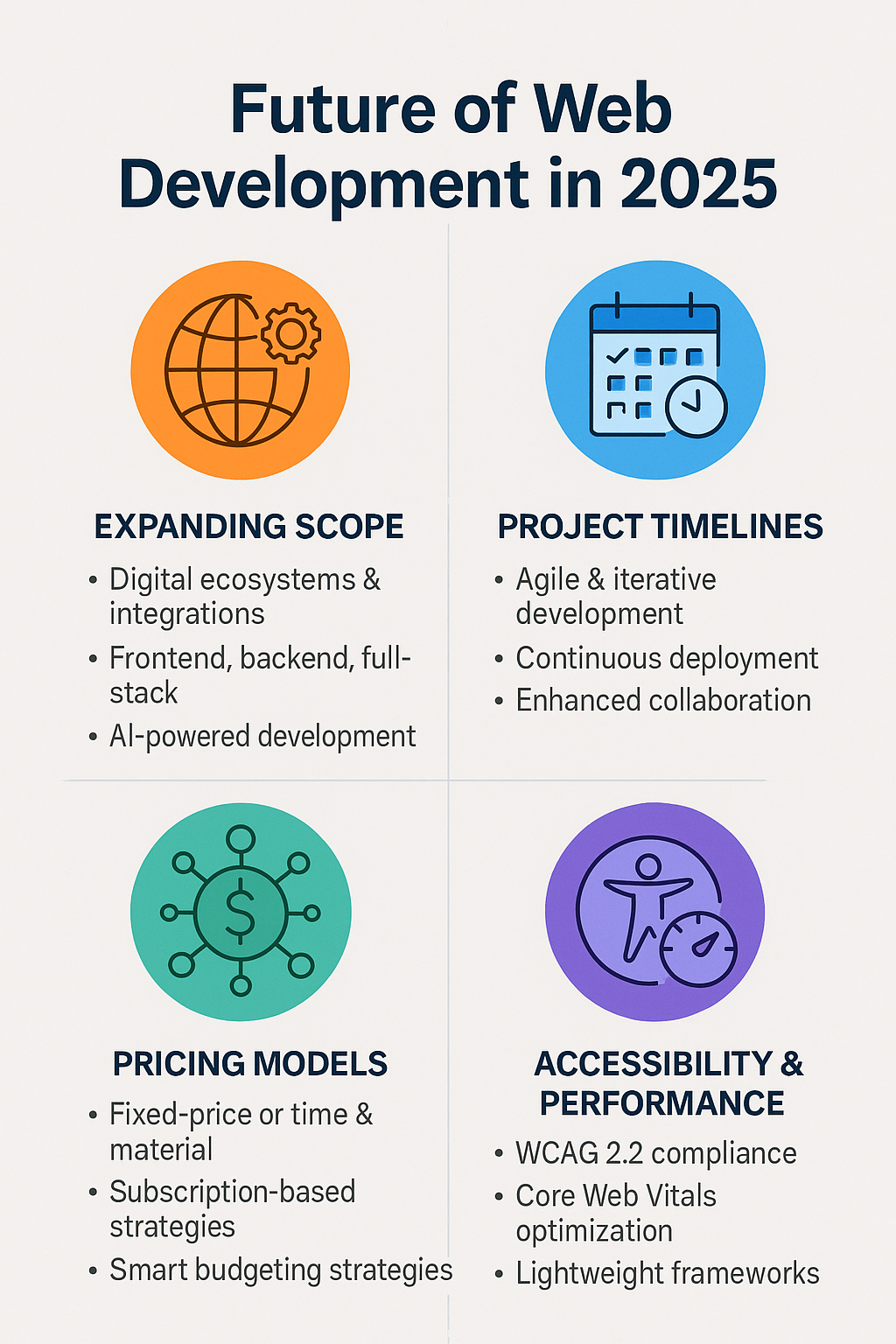
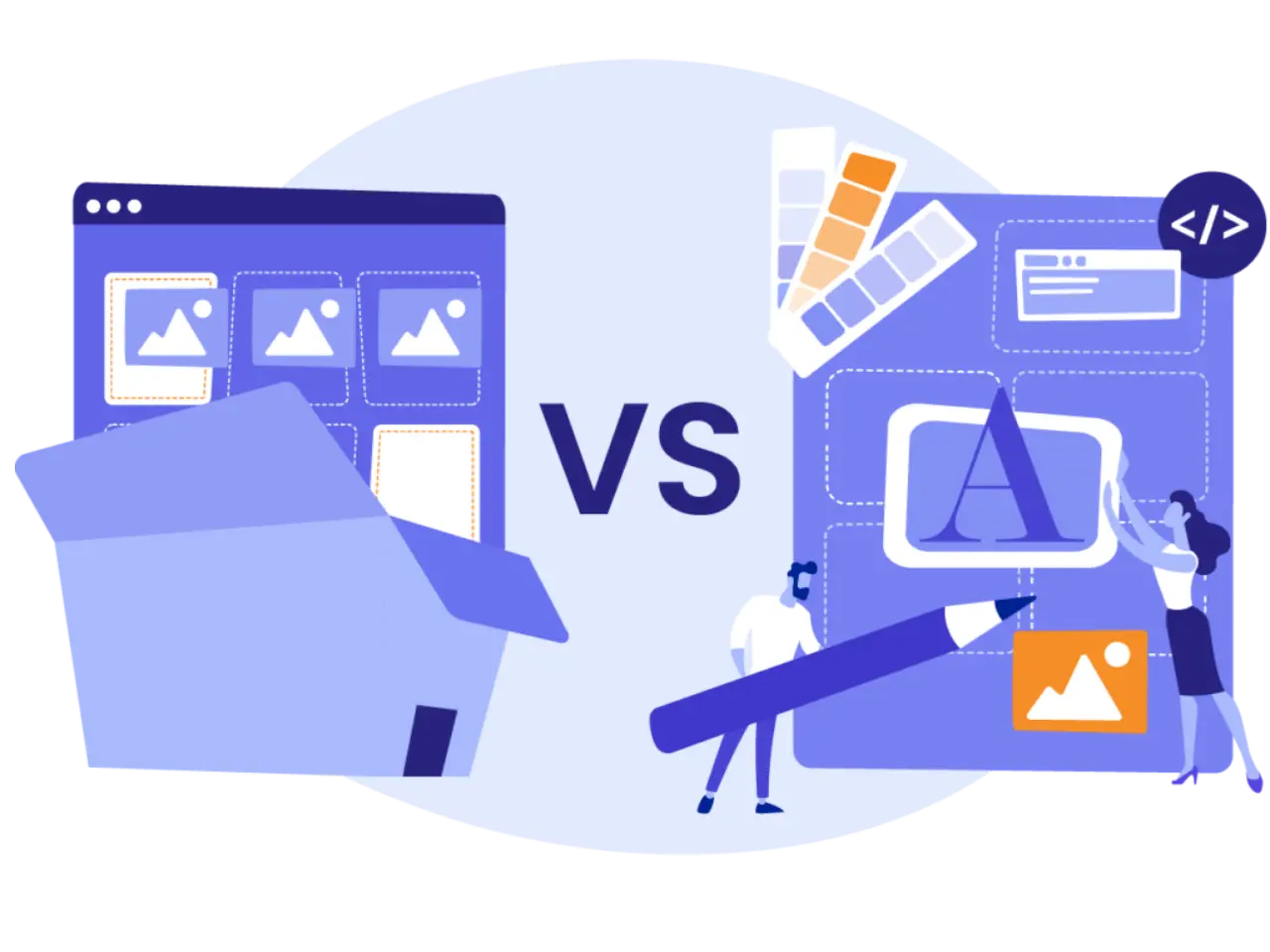
A custom theme is a bespoke website codebase built specifically for a business's unique operational, branding, and technical requirements. Unlike off-the-shelf premade templates—which often carry redundant scripts and rigid layouts—custom themes deliver faster Core Web Vitals, strict security control, and seamless long-term scalability. While premade templates offer a lower upfront price, custom development provides superior total cost of ownership by eliminating third-party plugin bloat and recurring architectural workarounds.
How Does a Custom Theme Deliver Total Branding Control?
The most immediate difference between a custom theme and a premade layout is the level of creative freedom. Premade themes are designed to appeal to a mass market, which often results in a rigid structure. When you use a generic template, you are essentially fitting your business into someone else’s box. Your brand identity—the very thing that distinguishes you from competitors—can easily get lost in a sea of similar-looking websites.
A custom theme, by contrast, acts as a tailor-made suit for your business. It allows for complete branding control, ensuring that every pixel, color palette, and layout element aligns with your unique vision. When your website feels like an extension of your brand rather than a downloaded file, you build greater trust with your audience. This consistency is essential for brand equity, helping customers recognize and remember your business in a crowded marketplace.
Why Do Custom Themes Outperform Premade Templates in Speed and Core Web Vitals?
In the modern era of web browsing, speed is a primary factor in user retention. Research consistently shows that users abandon sites that take more than a few seconds to load. Premade themes often come bloated with unnecessary code, generic framework scripts, and visual effects that most businesses never use. This extra baggage directly damages your site’s Core Web Vitals—the performance metrics search engines use to evaluate real-user experience.
Custom themes optimize Core Web Vitals at the architectural level:
- Largest Contentful Paint (LCP): Premade themes frequently block the main thread by loading heavy global CSS files and render-blocking scripts before the main hero image or above-the-fold text can draw. Custom development utilizes critical CSS techniques and slimmed-down JavaScript trees to load only the code required for the current page, allowing key visual elements to render almost instantly.
- Interaction to Next Paint (INP): Third-party templates often attach sprawling, unoptimized JS event listeners across the entire DOM, leading to high main-thread latency when a user clicks, taps, or types. Custom themes eliminate runtime bloat with modular, event-delegated JavaScript trees, keeping the main thread free so user interactions receive immediate visual feedback.
- Cumulative Layout Shift (CLS): Generic themes often rely on late-loading fonts, dynamic inline styles, or late-inserted layout elements that cause content to jump around while loading. Custom builds explicitly reserve layout dimensions for media and handle critical dynamic assets cleanly to ensure a rock-solid, shift-free visual experience.
By stripping away excess dependencies and engineering clean, efficient code structures, custom themes provide a faster, smoother experience for your visitors. This optimization is not just about user satisfaction; meeting Core Web Vitals benchmarks gives your site a distinct advantage in search engine rankings and long-term conversion rates.
How Do Custom Themes Protect Sites Against Common Security Vulnerabilities?
Security is a paramount concern for any website owner. Premade themes are often targets for hackers because the code is publicly available and standardized; if a vulnerability is found in a popular theme, thousands of sites can be compromised simultaneously. While developers of these themes do release patches, you are constantly at the mercy of their update cycle. Learn more about protecting your WordPress site in our comprehensive guide on WordPress Security Best Practices
Custom themes offer enhanced security because they are not part of a public repository. Furthermore, they are built with tailored security measures that address the specific needs of your business. When it comes to future-proofing, custom development is equally superior. As your business grows, your website needs to evolve. A custom build allows for seamless integration of new technologies and trends, whereas a premade theme may become obsolete, requiring a total site migration when you eventually outgrow its functional limitations.
How Do Custom Themes Support Scalability and Long-Term ROI?
It is common to view the upfront cost of a custom theme as a hurdle. While it is true that a custom build requires a larger initial investment than purchasing a template, evaluating the choice through long-term Return on Investment (ROI) reveals a very different financial picture. Premade themes frequently hide their true cost behind a reliance on third-party plugins to achieve basic functionality, creating substantial technical debt over time.
Relying on a patchwork of plugins to fill feature gaps introduces major operational risks:
- Plugin Dependency & Conflict: As business needs grow, premade themes require adding more plugins for custom forms, layout builders, and marketing tools. Each plugin operates with its own code standards, leading to frequent version conflicts, script overhead, and unexpected site crashes during routine updates.
- Accumulation of Technical Debt: Patching template limitations with third-party code creates fragile architecture. When plugin developers discontinue updates or release breaking changes, your team is forced to sink time and money into emergency fixes—costing more over the long run than building custom, tailored functionality from the ground up.
- Performance Degradation at Scale: As your product catalog expands and web traffic increases, bloated plugin databases and duplicate script requests place unnecessary strain on server resources, limiting your site's ability to scale smoothly.
Custom themes eliminate this patchwork approach by engineering core functionality directly into the codebase. By investing in clean, robust architecture upfront, you build a flexible platform that scales effortlessly with your business, protects your user experience, and maximizes your long-term ROI.
Why Is Dedicated Support and Maintenance Important for Custom Themes?
A significant benefit of working with a professional development partner is the ongoing support. When you purchase a premade theme, you are often left to navigate documentation, community forums, or ticket-based support systems when things go wrong. If the theme developer abandons the project, you are left with a broken site and no recourse.
Custom development typically includes a partnership. Whether it is a dedicated maintenance plan or a direct line to the team that built your site, you have the peace of mind that comes with professional oversight. This proactive approach ensures that your site stays updated with the latest web standards, keeping your business running smoothly without the stress of unexpected downtime.
Frequently Asked Questions (FAQ)
Is a custom theme better for SEO?
Yes. Custom themes allow for cleaner code, faster load times, and better site architecture, all of which are critical factors for improving your visibility in search engine results.
Do premade themes have hidden costs?
Often, yes. While the initial purchase price is low, many users end up spending significant amounts on third-party plugins, custom coding to fix limitations, and frequent maintenance to keep the theme functional.
Can I scale a custom theme easily?
Absolutely. Custom themes are built to be flexible. As your business needs evolve, a developer can easily add new features or adjust the structure without having to rebuild the entire site.
Why is site speed important in 2026?
User expectations are higher than ever. A slow website leads to higher bounce rates and lower conversions, which can severely impact your bottom line and your search engine rankings.
How does a custom theme improve security?
Custom themes are unique, meaning they are not part of the common target list for automated attacks. Developers can also implement security measures tailored to your specific site, providing a more robust defense against threats.
Conclusion
The decision between a custom theme and a premade theme ultimately comes down to your business goals. If you are looking for a quick, temporary solution, a premade theme might suffice. However, for businesses aiming for growth, speed, security, and a distinct brand presence, a custom theme is the clear winner. By focusing on high-quality, tailored development, you set your business up for long-term success in an increasingly competitive digital landscape.
About the Author

Brian Keary
Founder & Lead Developer
Brian is the founder of BKThemes with over 20 years of experience in web development. He specializes in WordPress, Shopify, and SEO optimization. A proud alumnus of the University of Wisconsin-Green Bay, Brian has been creating exceptional digital solutions since 2003.
Expertise
Writing since 2003