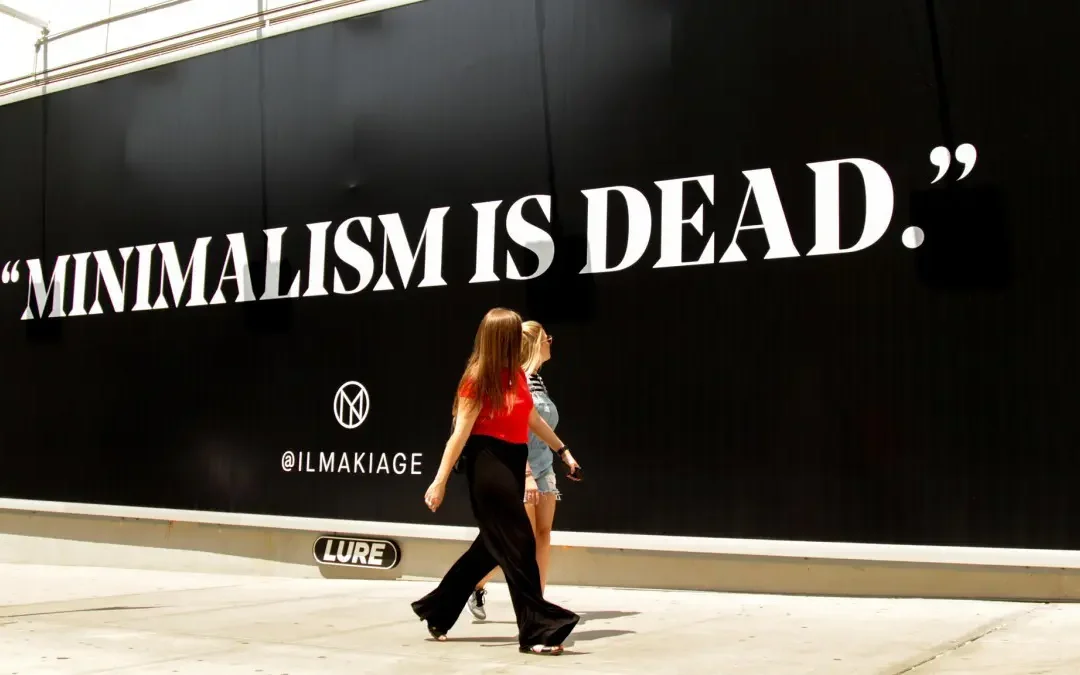
Minimalism is not dead in 2026; rather, it has shifted from stark austerity into functional, user-centric design. While early digital minimalism relied on stark black-and-white palettes that often alienated users, modern minimalism balances purposeful white space with rich micro-interactions and accessible typography to optimize Core Web Vitals and reduce cognitive load.
Why Did Minimalist Web Design Become the Digital Standard?
The widespread adoption of minimalist design owes much to the influence of tech giants like Apple. By championing interfaces that prioritized content over chrome, Apple proved that simplicity could be a powerful brand differentiator. This shift forced the industry to rethink how users interact with digital products.
For those looking to deepen their understanding of how these design shifts impact discoverability, exploring Search Engine Optimization principles is essential. Minimalism isn't just about how a site looks; it is about how a site performs. When a page is cluttered, load times often suffer, which in turn hurts search rankings. By focusing on essential elements, designers can improve core web vitals, ensuring that the site remains fast and accessible across all devices.
Connecting Asset Budgeting to Core Web Vitals Performance
Minimalism is far more than a visual aesthetic—it serves as a strategic strategy for strict performance budgeting. By stripping away heavy background scripts, decorative web fonts, and excessive DOM elements, minimalist architecture directly improves site responsiveness and search engine visibility by optimizing critical Core Web Vitals:
1. Largest Contentful Paint (LCP)
- Target: < 2.5 seconds
- Impact of Minimalism: LCP measures the render time of the largest visual element in the browser viewport (typically a primary hero banner or featured product image). Minimalist design enforces lean media budgets—utilizing compressed formats like WebP or AVIF, setting explicit display dimensions, and avoiding render-blocking sliders—to ensure above-the-fold content renders instantly within the 2.5-second threshold.
2. Interaction to Next Paint (INP)
- Target: < 200 milliseconds
- Impact of Minimalism: Unnecessary third-party widgets, tracking scripts, and heavy animation frameworks clog the browser's main thread. By limiting code footprint and pruning non-essential scripts, minimalist stores free up main-thread processing time, ensuring immediate visual feedback when users tap navigation links, toggle product variants, or add items to their cart.
3. Cumulative Layout Shift (CLS)
- Target: < 0.1
- Impact of Minimalism: Minimalist layouts prioritize predictable, decluttered grid structures. Reserving explicit aspect-ratio containers for images and avoiding late-loading dynamic pop-ups or banners prevents unexpected visual reflows, maintaining page stability while assets load.
Core Web Vitals Optimization Checklist
- Set Strict Payload Limits: Limit total initial page load weight to under 1.5 MB by eliminating non-essential library downloads.
- Prioritize Critical Media: Apply
fetchpriority="high"to primary LCP images while lazy-loading below-the-fold content. - Minimize Main-Thread Work: Defer or eliminate non-critical JavaScript to maintain an INP score under 200 ms during initial page initialization.
- Stabilize Layouts: Reserve explicit aspect-ratio containers for images and avoid late-loading dynamic content to keep CLS below 0.1.
How Have Minimalist Principles Evolved Beyond Flat Design?
Minimalism has never been a static concept. In its early days, it was often rigid, characterized by stark black-and-white palettes and a complete absence of decoration. However, the modern iteration is far more nuanced. Today’s minimalism embraces subtle gradients, expressive typography, and micro-interactions that add depth without creating clutter.
This evolution reflects a broader shift toward human-centric design. We now understand that total austerity can sometimes backfire. Critics often argue that extreme minimalism can feel cold, impersonal, or devoid of emotional connection. If a brand relies too heavily on empty space, it may fail to communicate its unique voice or values. As digital experiences become more competitive, designers are finding ways to blend minimalist architecture with warmth and personality. This balance is critical when working with platforms like WordPress, where the flexibility of the CMS allows for highly customized, minimalist-leaning layouts that still feel vibrant and engaging.
Reducing Cognitive Load via Hick’s Law
Minimalism directly addresses one of the core laws of user experience: Hick's Law (or the Hick-Hyman Law), which states that the time required to make a decision increases logarithmically with the number and complexity of choices presented. Mathematically expressed as:
(where represents the number of choices, is the baseline processing time, and is cognitive processing speed per bit of information).
When storefront navigation menus present sprawling megamenus with 30+ unorganized links, users experience analysis paralysis. Minimalist architecture applies Hick’s Law to drastically streamline this decision-making process:
- Pruning Menu Clutter: Reducing primary navigation links to 5–7 core categories reduces the information processing demand (bits) required to identify a target destination, directly decreasing interaction latency.
- Progressive Disclosure: Hiding secondary and tertiary links within grouped subcategories or slide-out drawer menus ensures visitors process choices incrementally rather than absorbing a wall of options all at once.
- Lowering Bounce Rates: By helping users find their desired path quickly without cognitive exhaustion, minimalist menus decrease drop-off rates during initial site exploration.
What Are the Main Usability and Accessibility Risks of Minimalism?
While minimalist design emphasizes subtle aesthetics and understated visual hierarchies, stripping down interfaces often leads to severe accessibility failures. When designers substitute high-contrast primary text with light gray typography (#999999 or #A6A6A6) on white backgrounds to achieve a "sleek" look, the interface becomes unreadable for low-vision users, older adults, and shoppers viewing displays under direct sunlight.
To mitigate poor readability without abandoning clean aesthetics, minimalist visual architecture must adhere to the WCAG 2.1 Level AA success criterion 1.4.3.
The Mathematical Contrast Ratio Requirement
The W3C defines contrast ratio using relative luminance (), which measures the relative brightness of any point in a color space normalized to 0 for black and 1 for white:
(where is the relative luminance of the lighter color and is the relative luminance of the darker color).
- Normal Body Text (< 18pt / < 14pt bold): Requires a strict minimum visual contrast ratio of 4.5:1 against its adjacent background.
- Large Text ( 18pt / 14pt bold) & UI Components: Requires a minimum contrast ratio of 3.0:1.
Practical Guidelines for Accessible Minimalist Design
- Audit Secondary Text Elements: Replace low-contrast muted gray body text with darker gray values (such as
#374151or#2D3748) that comfortably exceed the 4.5:1 threshold on light backgrounds. - Account for Thin Typeface Weights: Light font weights (e.g., 200 or 300 Light) visually wash out faster than bold weights at identical contrast ratios. Increase font weight slightly when using lighter colors to preserve legibility.
- Validate Dynamic Theme States: Ensure contrast ratios hold up across all interactive states (hover, focus, disabled) and in both Light and Dark mode variations.
Is Maximalism Replacing Minimalism in Modern Interfaces?
Just as trends in fashion and art are cyclical, web design is currently seeing a resurgence of maximalism. This trend stands in direct opposition to the minimalist movement, favoring bold colors, intricate patterns, and layered, chaotic layouts that demand attention. Maximalism is often used by brands that want to convey a sense of energy, playfulness, or rebellion against the status quo.
Does this mean minimalism is dead? Certainly not. Rather, it suggests that the digital landscape is expanding to accommodate a wider range of visual languages. Minimalism remains the gold standard for high-conversion e-commerce sites, professional portfolios, and information-heavy platforms. Meanwhile, maximalism is carving out its own space in creative industries and lifestyle marketing. Understanding when to use each approach is a hallmark of a mature design strategy. Whether you are using BigCommerce for a robust retail experience or building a bespoke site, the choice between these styles should be driven by your target audience and your specific business objectives.
Looking Toward the Future of Design
As we look toward the future, the influence of emerging technologies like Artificial Intelligence (AI) and Augmented Reality (AR) will fundamentally change how we approach web design. AI-driven design tools are already helping creators generate layouts, optimize typography, and personalize content in real-time. These advancements will likely make the "minimalist vs. maximalist" debate less relevant, as interfaces become increasingly dynamic and adaptive. See Smart Glasses and The Future of Web Design to learn more.
Imagine a website that shifts its layout based on a user’s history, preferences, and current environment. An AI-powered interface could present a minimalist view to a returning customer who wants to make a quick purchase, while offering a more immersive, maximalist experience to a new user who is still exploring the brand. The role of the designer is shifting from "page builder" to "experience architect." Brian Keary and the team at BKThemes recognize that the future of the web lies in this intersection of technology and human-centric strategy. By staying updated on the latest trends in SEO and web development, businesses can ensure they remain competitive in an increasingly automated world.
How Does User-Centered Design Prevent Minimalist Failures?
Regardless of whether a site leans toward minimalism or maximalism, the core tenet of design remains the same: user-centered design. This approach requires a deep understanding of who the user is, what they need, and how they perceive information.
When a user lands on a page, they should not have to "solve" the design to find the information they need. Minimalism, when done well, reduces cognitive load by removing distractions. However, if the design is too sparse, the user may lack the context required to take action. The future of design lies in finding the "Goldilocks zone"—a layout that is clean enough to be readable and fast, yet rich enough to provide the necessary guidance and engagement. Learn more about branding and visual identity to boost your web design into a user-centered powerhouse.
Conclusion
Minimalism is far from dead; it has simply grown up. It has moved past the phase of being a rigid set of rules and evolved into a flexible design philosophy. While maximalism offers an exciting alternative for brands looking to make a loud statement, the principles of minimalism—clarity, accessibility, and purpose—remain the foundation of a high-performing website. As we navigate the complexities of 2026 and beyond, the focus will continue to shift toward creating experiences that are not only visually balanced but also deeply responsive to the unique needs of the individual user. Whether through the strategic use of white space or the intelligent implementation of AI-driven features, the goal remains the same: to deliver value with as little friction as possible.
Frequently Asked Questions (FAQ)
Is minimalism still relevant for SEO?
Yes, minimalism is highly relevant for SEO. A minimalist design often leads to faster page load times and a better mobile experience, both of which are critical ranking factors. By removing unnecessary code and heavy assets, you create a more efficient site that search engines like Google can crawl and index more effectively.
What is the main difference between minimalism and maximalism?
Minimalism focuses on simplicity, using white space and a limited color palette to highlight the most important elements of a page. Maximalism embraces complexity, utilizing bold colors, intricate patterns, and dense information to create an immersive and high-energy visual experience.
Can minimalism be bad for accessibility?
Yes, if not executed with care. Minimalism can lead to poor accessibility if the contrast between elements is too low, or if important navigation cues are hidden. Designers must ensure that simplicity does not sacrifice the usability or inclusivity of the website.
How do AI and AR influence future web design?
AI and AR are enabling more dynamic and personalized web experiences. AI can help optimize layouts in real-time based on user behavior, while AR adds a layer of interactivity that can make a website feel more three-dimensional and engaging, potentially bridging the gap between minimalist and maximalist aesthetics.
Does BKThemes specialize in minimalist design?
BKThemes specializes in high-quality web design across platforms like WordPress and Shopify. With over 30 years of experience, they focus on creating user-centered websites that prioritize functionality and performance, often utilizing modern design principles to achieve business goals.
Is maximalism replacing minimalism?
Maximalism is not replacing minimalism; rather, it is providing a new alternative. The digital space is becoming more diverse, and different brands require different visual strategies. Minimalism remains the preferred choice for many businesses that prioritize clarity and speed, while maximalism is gaining traction for brands focused on artistic expression and high engagement.
Looking for implementation support? Visit our web development services page for the full service overview.
About the Author

Brian Keary
Founder & Lead Developer
Brian is the founder of BKThemes with over 20 years of experience in web development. He specializes in WordPress, Shopify, and SEO optimization. A proud alumnus of the University of Wisconsin-Green Bay, Brian has been creating exceptional digital solutions since 2003.
Expertise
Writing since 2003