
E‑commerce is competitive — small performance wins add up to more traffic, fewer drop-offs, and stronger sales. This guide lays out practical Shopify optimizations that actually move the needle: faster pages, smarter SEO, and conversion-focused changes. You’ll get clear explanations and actionable priorities — from speed and search to theme tweaks and current trends — so you can turn visits into purchases and make your store more dependable for customers.
If you want expert implementation instead of a full DIY rollout, start with our Speed Me Up service.
What Shopify store speed optimization is — and why it matters
Store speed optimization means making your Shopify site load faster and feel more responsive for shoppers. Faster pages keep visitors engaged, lower bounce rates, and raise the odds of a sale. Even tiny delays count: studies show a one‑second slowdown can dent satisfaction and revenue. Keeping pages lean and snappy helps your store compete and convert.
How does a faster Shopify site speed boost user experience and sales?
Faster load times smooth the browsing experience and remove friction across the buying journey. When pages load quickly, people explore more products and are likelier to finish checkout. Stores that load in under three seconds retain more users; slow sites see more abandonment. Prioritizing speed is one of the most direct ways to improve both experience and revenue.
What are the best practices for Shopify site speed improvements?
To speed up your Shopify store, concentrate on these proven tactics:
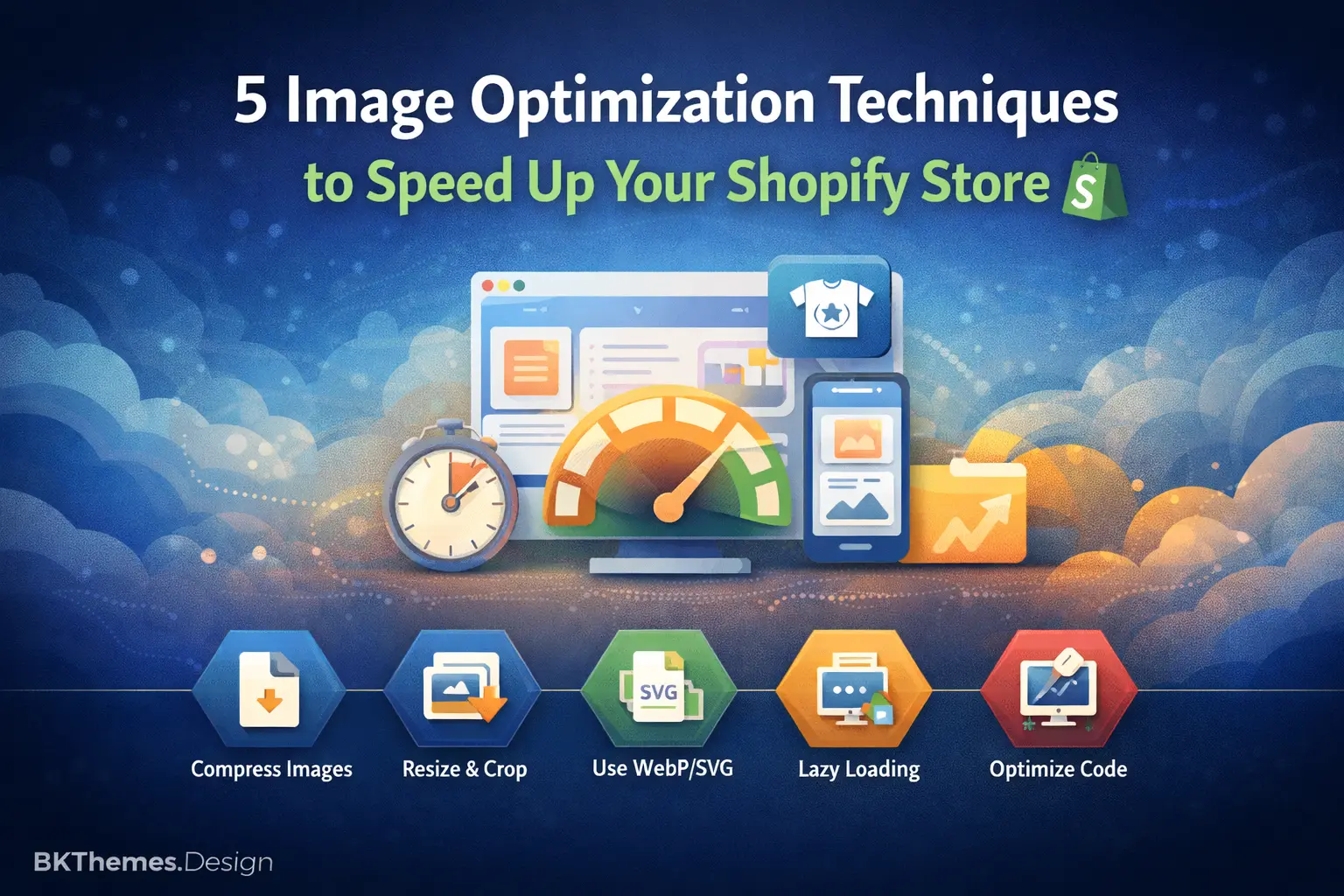
- Image Optimization: Compress images, serve appropriately sized files, and use modern formats (WebP/AVIF) to cut file weight without sacrificing visual quality.
- Minimize HTTP Requests: Reduce or defer third‑party scripts and combine assets where possible so the browser has fewer files to fetch.
- Leverage Browser Caching: Use caching strategies and a CDN so returning visitors load core assets instantly.
Used consistently, these steps shorten load times and noticeably improve site performance.
How Shopify SEO services increase your store’s visibility

SEO brings qualified, repeatable traffic to your store without always relying on paid ads. Effective Shopify SEO makes products discoverable, improves rankings, and helps the right customers find you when they’re ready to buy. Below are core SEO areas that reliably lift visibility.
What Shopify SEO audit steps identify key improvement areas?
A solid SEO audit highlights the gaps that keep search engines and customers from finding your store. Common audit steps include:
- Technical SEO Analysis: Review site structure, crawlability, indexability, and other technical signals search engines need.
- Keyword Performance Review: Analyze how your current keywords perform and uncover phrases with real buyer intent.
- Content Quality Assessment: Check product descriptions and blog content for relevance, clarity, and on‑page optimization.
Together, these checks produce a clear action list to improve search performance and user experience.
Thorough SEO audits are a proven method to evaluate and raise site quality — recent research underscores their effectiveness.
E‑commerce SEO Audits & Website Quality Improvement Study overview: SEO audits evaluate processes that improve website quality by comparing sites and scoring overall SEO health. The method combines hands‑on checks (like home page source reviews) with automated tool tests to produce a consolidated SEO score and reveal both strengths and gaps. Assessing marketplace and e-commerce website quality with SEO score, D Zdonek, 2024
Which SEO strategies reliably drive organic traffic for Shopify stores?
These tactics consistently increase organic visibility and attract motivated shoppers:
- Content Marketing: Publish product‑focused content that answers buyer questions and ranks for relevant queries.
- Link Building: Earn backlinks from reputable sites to strengthen domain authority and search presence.
- On‑Page Optimization: Optimize product titles, meta tags, and descriptions so pages match user intent and search signals.
Concentrating on these areas helps your store attract better‑quality traffic and improve long‑term discoverability.
What Shopify conversion rate optimization (CRO) is — and how it increases revenue

Conversion Rate Optimization (CRO) is about improving parts of your store so a larger share of visitors become buyers. CRO boosts revenue without necessarily increasing traffic — it reduces friction and guides shoppers toward purchase.
Data and solid infrastructure matter: case studies from larger marketplaces show how analytics and performance improvements work together to lift conversions.
E‑commerce Optimization: Data Analytics & Shopify Conversions Summary: Case studies across major marketplaces demonstrate how data analytics and infrastructure upgrades support conversion gains. The findings show how Shopify lets small businesses apply analytics‑driven optimization to improve decisions and sales outcomes. Business optimization in e-commerce: leveraging data analytics for improved decision-making and performance enhancement, A Levina
How do Shopify performance improvements shape conversion funnels?
Performance upgrades reduce friction at every funnel stage. Faster pages, clearer navigation, and simpler checkout flows keep visitors moving from discovery to purchase. With fewer delays and distractions, abandonment falls, and conversion rates rise — outcomes you can track in your analytics.
Which tools and apps effectively boost Shopify conversion rates?
Tools that commonly lift conversions include:
- A/B Testing Tools: Experiment with headlines, layouts, and CTAs to learn what truly increases conversions.
- Email Marketing Apps: Automated recovery and nurture emails bring shoppers back and drive repeat purchases.
- Live Chat Support: Real‑time help answers buying questions and reduces checkout friction.
Choose tools that integrate cleanly with your theme and measure their impact so you keep what works. bkthemes
How theme customization affects Shopify store performance
Theme choices shape first impressions, usability, and conversion potential. A fast, focused theme that represents your brand makes it easier for customers to browse and buy. Thoughtful customization balances visual polish with performance and trust signals to produce better results.
What role does professional Shopify theme design play in optimization?
Professional theme design improves navigation, showcases priority products, and ensures mobile responsiveness — all essential for smooth shopping. A well‑built theme reduces friction, trims load times, and supports conversion patterns that encourage purchases.
Research and testing show that theme selection and configuration can meaningfully affect conversion rates and long‑term success.
Shopify Themes for High Conversions & Speed Key takeaway: Theme choice matters. Analysis of thousands of stores found many underperforming themes were chosen for looks rather than conversion. Testing across dozens of themes revealed measurable differences in load speed and checkout behavior — and identified a small set of themes that consistently deliver higher conversion rates when optimized correctly. 8 Best Converting Shopify Themes 2025: Epic List, 2025
How can BKThemes customization services improve store efficiency?
BKThemes builds tailored theme customizations that balance brand, speed, and usability. Services include optimized layouts, smarter image handling, and clearer navigation so your store looks great and performs reliably — reducing friction and improving conversion potential.
How Shopify site audits identify and fix performance issues
Regular site audits uncover hidden issues that hurt speed, visibility, and conversions. Audits map technical problems and prioritize fixes so you can improve performance systematically and measure the impact.
What key metrics are analyzed during a Shopify site audit?
Audits typically review these essential metrics:
- Page Load Speed: How quickly pages render and become interactive for visitors.
- Mobile Responsiveness: How well the site functions on phones and tablets — a critical factor for conversions.
- SEO Metrics: On‑page elements like meta tags, keyword usage, and content quality that influence rankings.
Together, these metrics give a clear view of performance and guide targeted fixes.
How do audit recommendations translate into measurable store improvements?
Implementing audit suggestions — for example, optimizing images or removing unnecessary scripts — shortens load times and improves the user experience. Track metrics like bounce rate, page speed scores, and conversion rate before and after changes to quantify gains and iterate further.
What are the latest trends in Shopify optimization for 2024 and beyond?
E‑commerce optimization keeps evolving. Staying current on mobile priorities, personalization, and automation helps you meet shopper expectations and maintain a competitive edge.
How does mobile‑first optimization improve Shopify store performance?
Designing mobile‑first ensures pages load quickly and navigation is thumb‑friendly. Mobile‑optimized stores see higher engagement and conversions because they remove barriers for the majority of shoppers who browse and buy on phones.
What role does AI‑driven personalization play in Shopify optimization?
AI personalization uses behavior and purchase data to surface relevant products and offers. When implemented thoughtfully, it raises engagement and average order value by showing customers items that match their interests and intent.
Frequently Asked Questions
Conclusion
Optimizing your Shopify store pays off: faster pages improve experience, better SEO brings qualified traffic, and smart CRO turns more visitors into buyers. Start with an audit, prioritize high‑impact fixes, and iterate using data. If you’re ready to improve speed, visibility, and conversions, explore our resources and tools to get started today.
About the Author

Brian Keary
Founder & Lead Developer
Brian is the founder of BKThemes with over 20 years of experience in web development. He specializes in WordPress, Shopify, and SEO optimization. A proud alumnus of the University of Wisconsin-Green Bay, Brian has been creating exceptional digital solutions since 2003.
Expertise
Writing since 2003